The large, dark red, kidney-shaped bean that holds its shape through long cooking — the bean of chilli con carne, of Louisiana red beans and rice, of the Punjabi rajma — and the one dried bean that must be boiled hard before it is safe.
Where it comes from
The kidney bean is a large-seeded form of the common bean from the Andes, and it went from the Americas to become a staple in places with no obvious link to them: in the Punjab, rajma chawal — kidney beans in a spiced tomato gravy with rice — is one of the most loved dishes in northern India; in Louisiana, red beans and rice was the Monday wash-day dinner cooked from the Sunday ham bone; and in the American Southwest it became the bean of chilli, though Texans argue it has no place there.
Raw and undercooked kidney beans contain a lectin that causes acute sickness, and the dose in just a few undercooked beans is enough. Soaking then boiling hard for at least ten minutes destroys it completely; slow cooking at a low temperature without a boil first does not, which is why kidney beans should never go straight into a slow cooker. Tinned beans are already cooked and safe.
Varieties
- Red kidney bean — Large, glossy dark red. The chilli, rajma and red-beans-and-rice bean.
- Light red kidney bean — Pinker, slightly softer; common in the US.
- Small red bean (Louisiana red) — Smaller, rounder, creamier; the traditional bean of New Orleans red beans and rice.
- Cannellini (white kidney) — The white Italian kidney bean — see white beans.
- Adzuki — A small red bean of a different genus; the sweet bean of East Asian desserts.
In the kitchen
Soak dried kidney beans overnight, drain, cover with fresh water and boil hard for ten minutes; then simmer until tender, an hour or more, salting late. Do not skip the boil. Once cooked they hold their shape well in a long braise, which is why they suit chilli and stews where softer beans would collapse.
Rajma: cooked beans simmered in a gravy of onion, tomato, ginger, garlic, cumin, coriander and garam masala. Red beans and rice: simmered with the trinity, smoked sausage or ham bone, bay and thyme until creamy. Rinse tinned beans before using them in a salad; keep the liquid for a stew.
Choosing and keeping
Dried kidney beans should be deep red and glossy; faded, wrinkled beans are old. Keep them dry and sealed, and use within a year or two. Tinned kidney beans are a good product and are the safe convenience.
Cooked beans keep several days refrigerated and freeze well. Never taste a dried bean before it has been boiled.
Dishes with kidney beans
 TicucosSmall corn tamales filled with mashed beans and loroco flower buds
 TchakaSlow stew of hominy corn, beans, squash and salted pork
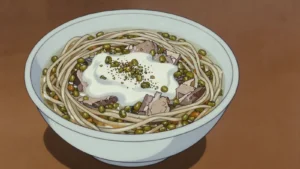 Unashthin homemade noodles in meat or bean broth
 Corn chaffBoiled corn and beans stewed with palm oil and spices
 Wheel CakeRound griddled cakes filled with red bean, custard or taro.
 SambusaDeep-fried triangle of pastry stuffed with spiced beef or beans
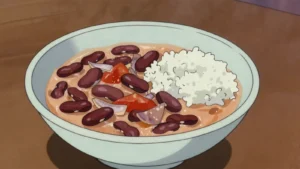 Maharage ya nazikidney beans simmered in coconut milk
 Dal MakhaniBlack lentils simmered overnight with butter and cream
Kidney beans is tagged on 58 dishes from 44 countries in the atlas. These notes are written from general knowledge and carry no per-fact citation — see About.