
Ingredients
Beans
- 500 gdried white beans, soaked overnight
Pot
- 2onions, finely chopped
- 3 tbspbutter or oil
- 2 tbspred pepper paste
- 1 tbsptomato paste
- 2tomatoes, grated
- 1 tsppul biber
- 1 tspsalt
- black pepper
- 1 litrehot water
Optional
- 200 gpastırma or sucuk, sliced
- 2green pointed peppers
To serve
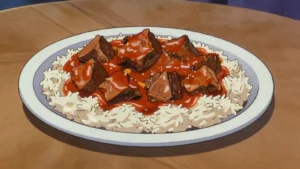
- pilav rice
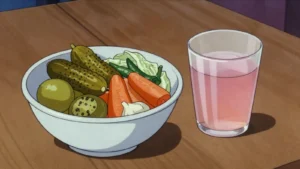
- pickles
- raw onion
Directions
- Soak the beans overnight in plenty of cold water, then drain and rinse them.
- Boil them in fresh water for about 45 minutes, until nearly tender, and keep the cooking water.
- Do not salt the beans while they boil. Salt added early keeps the skins tough however long you cook them.
- Fry the onions slowly in the butter until soft and golden, about 15 minutes.
- Add the red pepper paste and tomato paste and fry them for 2 to 3 minutes until they darken from bright red to brick.
- Frying the pastes is the step that matters most. Raw pepper paste tastes tinny and flat, and those few minutes in hot fat are what give the dish its depth.
- Biber salçası, the Turkish red pepper paste, is the defining ingredient and tomato paste alone gives you a different and duller stew.
- Add the grated tomato and pul biber and cook another 5 minutes.
- Add the drained beans with the hot bean water to cover, and any sucuk or pastırma.
- Add hot water rather than cold. Cold liquid stops the cooking and toughens the bean skins.
- Simmer gently, uncovered, for 30 to 40 minutes.
- Season with salt only now, when the beans are already soft.
- Mash a ladleful of beans against the side of the pot to thicken the sauce.
- That mashed portion is what binds it. Kuru fasulye should be thick enough to hold on a spoon and never a thin broth.
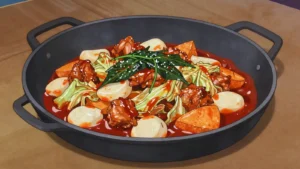
- It is finished when a layer of red-orange oil separates and sits on the surface.
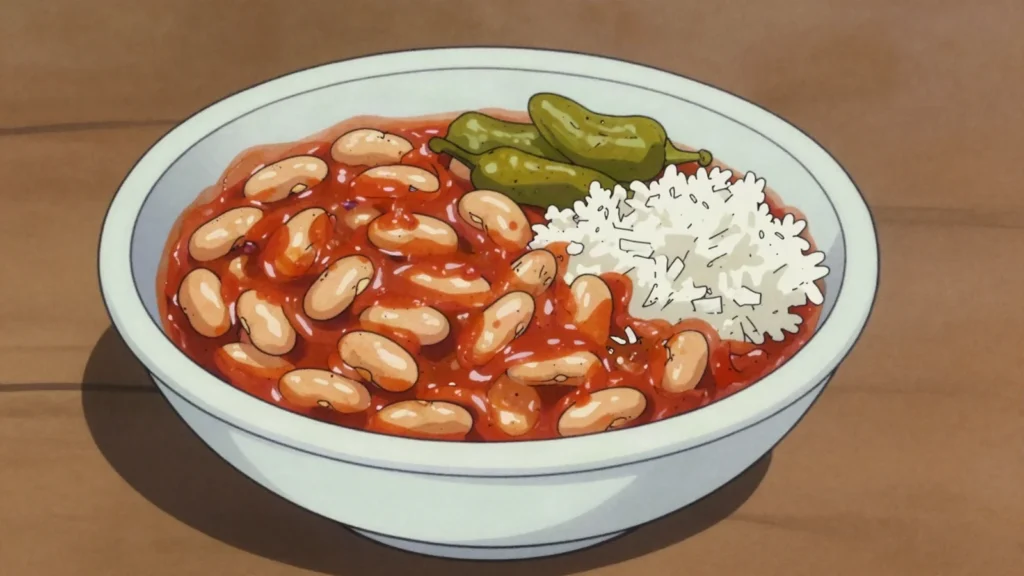
- Serve with pilav, pickles and raw onion, which together are the fixed Turkish arrangement.
- It is the everyday dish of Turkey, the thing eaten at lokanta counters at lunchtime, and Süleymaniye in Istanbul has a whole street of shops selling almost nothing else.
Technique
- Beans and rice and pickle is the trio, and ordering it without pickles would be considered odd.
- It is better the next day and is often cooked in quantity for that reason.
- It is naturally vegetarian unless sucuk or pastırma go in.
Substitutions
- Tinned white beans, which cut the cooking to 20 minutes.
- A mix of tomato paste with a little smoked paprika, if you have no biber salçası.
Variations
- Etli kuru fasulye, with lamb.
- With sucuk sausage, which is the most common meat version.
- Cooked in a clay pot in the oven.
History
Everyday lokanta staple; the bean restaurants around Süleymaniye mosque made it an Istanbul institution.
Frequently asked questions
What is Kuru fasulye?
Kuru fasulye is a main from Turkey: white beans stewed with tomato and pepper paste, served with rice. Everyday lokanta staple; the bean restaurants around Süleymaniye mosque made it an Istanbul institution.
How long does Kuru fasulye take to make?
Kuru fasulye takes 15 min plus overnight soaking of preparation and 1 hr 30 min of cooking. The recipe makes 6 servings. It is rated easy to make.
What can I substitute in Kuru fasulye?
Yes, within limits. Tinned white beans, which cut the cooking to 20 minutes. A mix of tomato paste with a little smoked paprika, if you have no biber salçası.
What is the most important thing to get right in Kuru fasulye?
Do not salt the beans while they boil. Salt added early keeps the skins tough however long you cook them.