The creamy pale beans — cannellini, haricot, navy, butter and lima — that cook to a soft, buttery texture and take on whatever they are cooked with, from Tuscan olive oil and sage to Boston molasses to a French cassoulet.
Where it comes from
All of these are American common beans (the butter and lima beans are a related species from the Andes) that Europe adopted in the sixteenth century and made its own. Tuscany’s love of white beans earned Tuscans the nickname mangiafagioli, bean-eaters; the Languedoc built cassoulet on them; the small haricot became the navy bean of the US Navy’s ration and the baked bean of Boston and, in a tin with tomato sauce, of Britain. Greece, Turkey and the Balkans have bean stews as national dishes.
Their virtue is a mild, creamy blandness that carries flavour. They absorb oil, stock and aromatics as they cook, and the starch they release thickens the liquid around them into a natural sauce. Different sizes suit different jobs: the small haricot for baked beans and soups, the medium cannellini for salads and Tuscan dishes, the large butter bean for stews where a big, soft bean is wanted.
Varieties
- Cannellini — Medium, kidney-shaped, creamy. The Tuscan bean — fagioli all’uccelletto, ribollita, with tuna in a salad.
- Haricot / navy bean — Small, oval, firm. For baked beans, cassoulet and soups.
- Great Northern — Medium American white bean, mild and slightly grainy; for soups and chilli blanco.
- Butter bean / lima bean — Large, flat, buttery (a different species). For Greek gigantes plaki, Southern succotash and stews.
- Tarbais — The large, flat, thin-skinned French bean of authentic cassoulet, grown in the south-west and protected by name.
- Flageolet — Small pale green beans picked young and dried; delicate, the classic with roast lamb in France.
In the kitchen
Soak overnight, then simmer very gently — never boil hard — with a bay leaf, garlic and a splash of olive oil until tender but whole, salting only when they are soft. Gentle heat keeps the skins intact; a rolling boil bursts them. An hour to two hours depending on age. Cooked in their liquid and left to cool in it they season through and stay creamy.
Tuscan: warm with olive oil, garlic, sage and tomato. Greek: gigantes baked with tomato, onion and dill. French: cassoulet, or flageolets with lamb. British and American: baked slowly with molasses or treacle, mustard and pork. Blended with their liquid, garlic and oil they make a dip or a soup base.
Choosing and keeping
Look for whole, uncracked, uniformly pale beans; wrinkled or yellowed beans are old and will cook unevenly. Keep sealed and dry, and use within a year. Tinned white beans are good, and cannellini in particular tin well.
Cooked beans keep four or five days in their liquid in the fridge and freeze well. A pinch of bicarbonate in the soaking water softens the skins of very old beans.
Dishes with white beans
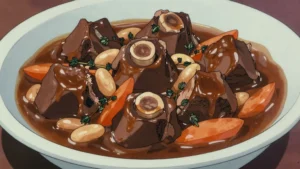 Stewed oxtailOxtail braised with butter beans and thyme
 Abgooshtlamb-chickpea broth drunk with bread, solids mashed and eaten separately
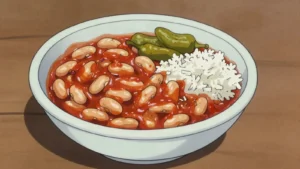 Kuru fasulyewhite beans stewed with tomato and pepper paste, served with rice
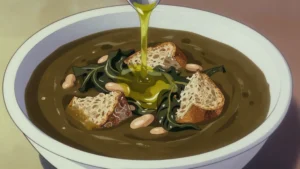 RibollitaTuscan twice-boiled bread, bean and cavolo nero soup
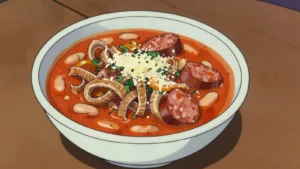 BusecaTripe stewed with white beans, tomato and chorizo, a winter dish
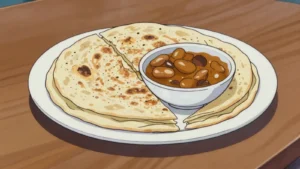 Farataflaky layered flatbread torn to scoop curries
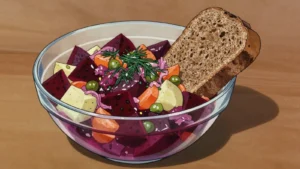 Vinegretbeet, potato and pickle salad with sunflower oil
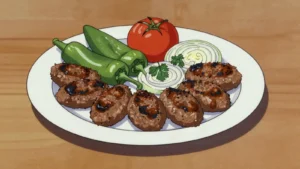 Koftegrilled minced-meat patties with onion and spices; countless regional styles
White beans is tagged on 36 dishes from 28 countries in the atlas. These notes are written from general knowledge and carry no per-fact citation — see About.