
Ingredients
Grilled
- 1 kgcamel meat, lean and hump fat in roughly equal parts, cut into 3 cm cubes
- 2 tspsalt
- 1 tspblack pepper
- 1 tspground cumin
- 1onion, grated
- 2 clovesgarlic, crushed
Stewed
- 1.5 kgcamel shoulder or neck, in large pieces
- 2onions, sliced
- 4 clovesgarlic
- 2 tbsptomato paste
- 1 tspground ginger
- 1 tspblack pepper
- 2bay leaves
- 100 mloil
- 2 litreswater
To serve
- 500 grice
- camel milk, if you have it
Directions
- Understand the meat first. Camel is very lean everywhere except the hump, and the animals are much older at slaughter than beef cattle, so it wants either fast fierce heat or several hours of gentle stewing. Anything in between gives meat that is dry and tough at the same time.
- For grilling, cut alternating cubes of lean meat and hump fat and thread them so that every piece of lean sits against a piece of fat. The hump is the prized cut precisely because it bastes everything around it as it renders.
- Season the skewers with salt, pepper, cumin, grated onion and garlic and leave them for 30 minutes.
- Grill over very hot coals for 6 to 8 minutes in total, turning often, until the fat has gone translucent and the lean is browned outside but still pink within.
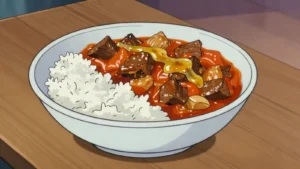
- For the stew, brown the large pieces hard in the oil on all sides, then lift them out.
- Fry the onions and garlic in the same pot, add the tomato paste and cook it for 3 minutes until it darkens, then stir in the ginger, pepper and bay leaves.
- Return the meat with the 2 litres of water, cover, and simmer very gently for 3 to 4 hours until it yields completely to a fork. An older animal can take five.
- Skim the fat, taste and season, and cook the rice in some of the strained broth.
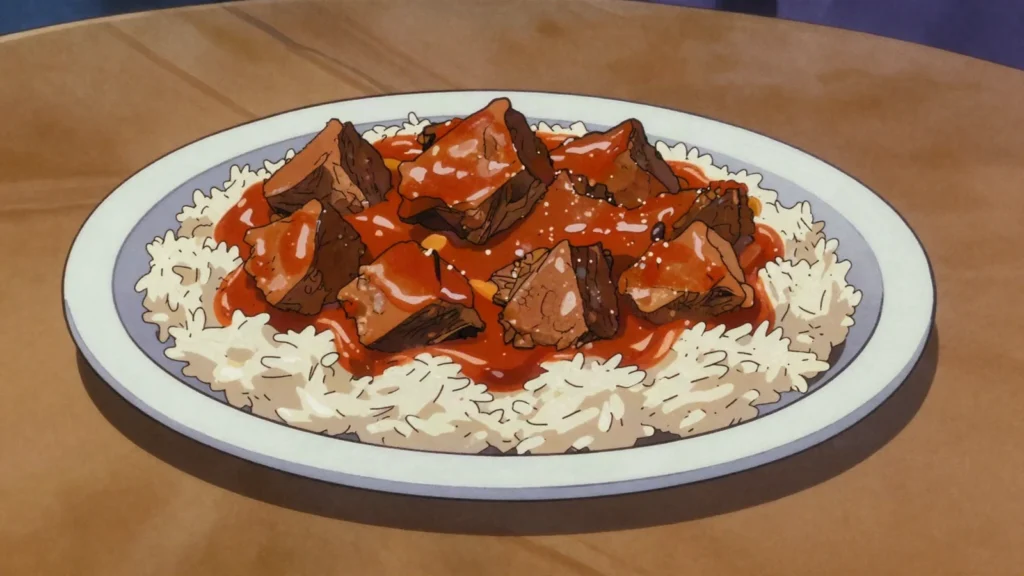
- Serve the meat over the rice on a communal platter, which is how it is presented at weddings and for honoured guests, and offer the hump fat to the guest of honour first.
Technique
- Fast or slow, never in between. This is the one rule that matters with camel.
- Camel herding underpins Mauritanian nomadic life, and nothing from the animal is wasted, including the offal and the milk.
- The hump is fat rather than muscle, and it renders soft and sweet rather than crisping like pork fat.
Substitutions
- Beef shin behaves similarly in the stew, though it needs about an hour less.
- Lamb fat in place of hump fat on the skewers, which is close in behaviour if not in flavour.
Variations
- With the liver and other offal grilled separately and eaten first.
- Cut into strips and dried as tichtar, which keeps for months.
- Stewed with dates for a sweeter festival version.
History
Camel herding underpins Mauritanian nomadic life; the hump fat is the prized cut, and the meat is served at weddings and to honoured guests.
Frequently asked questions
What is Camel meat?
Camel meat is a main from Mauritania: camel steaks, hump and offal grilled over coals or stewed with rice. Camel herding underpins Mauritanian nomadic life; the hump fat is the prized cut, and the meat is served at weddings and to honoured guests.
How long does Camel meat take to make?
Camel meat takes 30 min of preparation and 4 hr of cooking. The recipe makes 8 servings. It is rated medium to make.
What can I substitute in Camel meat?
Yes, within limits. Beef shin behaves similarly in the stew, though it needs about an hour less. Lamb fat in place of hump fat on the skewers, which is close in behaviour if not in flavour.
What is the most important thing to get right in Camel meat?
Fast or slow, never in between. This is the one rule that matters with camel.