
Ingredients
Juice
- 300 gfresh ginger root
- 1.5 litreswater
- 200 gpineapple, chopped, optional
To finish
- juice of 2 lemons
- 150 gsugar, to taste
- 1 tspvanilla extract, or a little orange blossom water
To serve
- plenty of ice
Directions
- Chop it and blend it with about 500 ml of the water, along with the pineapple if you are using it, until completely pulped.
- Blend it hard and for longer than feels needed.
- Leave the pulp to steep in the water for at least 2 hours, and up to overnight somewhere cool. Two hours gives a pleasant warmth; overnight gives the sinus-clearing version sold in Conakry.
- Strain it through a fine cloth, gathering the cloth up and wringing it out hard.
- Add the remaining water, the lemon juice, sugar and vanilla, and stir until the sugar has dissolved.
- Taste and balance it. It should be sharply hot from the ginger, sour from the lemon, and only just sweet enough to carry both.
- Chill it thoroughly and serve very cold over ice.
Technique
- Strength varies enormously from one seller to the next, and some versions are genuinely fierce.
- Strain it twice through cloth if you want a clear drink rather than a cloudy one.
- It separates as it stands, so stir or shake it before pouring.
Substitutions
- Pineapple juice in place of fresh pineapple.
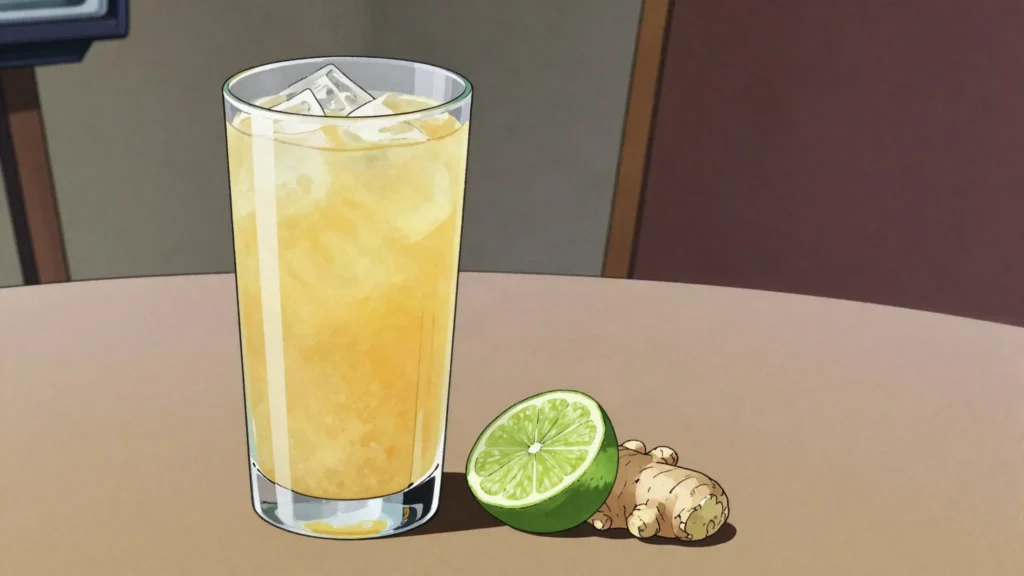
- Lime instead of lemon, which is common further along the coast.
Variations
- With mint blended in for a cooler finish.
- Left deliberately cloudy and thick with pineapple.
- Made as a strong concentrate and served in small glasses.
History
The name means ginger water in the Manding languages; the grated root is steeped, strained and sold iced in sachets in Guinea and Mali.
Frequently asked questions
What is Gnamakoudji?
Gnamakoudji is a drink from Guinea: sinus-clearing fresh ginger juice with lemon and pineapple. The name means ginger water in the Manding languages; the grated root is steeped, strained and sold iced in sachets in Guinea and Mali.
How long does Gnamakoudji take to make?
Gnamakoudji takes 20 min plus 2 hr steeping of preparation and no cooking at all. The recipe makes about 2 litres. It is rated easy to make.
What can I substitute in Gnamakoudji?
Yes, within limits. Pineapple juice in place of fresh pineapple. Lime instead of lemon, which is common further along the coast.
What is the most important thing to get right in Gnamakoudji?
Strain it twice through cloth if you want a clear drink rather than a cloudy one.