Dried seeds, barks, roots and buds used in small amounts for aroma — the trade in which reshaped world politics for several centuries before it settled into a cupboard.
Where it comes from
Spices are aromatic parts of plants that dry well and keep, which is exactly why they could be traded across oceans when nothing else edible could. The routes ran from the Moluccas, Sri Lanka, southern India and Southeast Asia to the Middle East and Europe, and control of them motivated Portuguese, Dutch and English expansion directly.
Every cuisine has its own base blends, and they are more specific than a spice rack suggests: garam masala varies house to house across North India, ras el hanout is a Moroccan merchant’s blend, berbere is Ethiopian, baharat Levantine, five-spice Chinese, quatre épices French. A blend is a regional signature, not a generic seasoning.
Varieties
- Cumin — Earthy and warm. Perhaps the most widely used spice on earth, from Mexico to India.
- Coriander seed — Citrusy and mild, and nothing like the leaf.
- Cardamom — Green is floral and used in both sweet and savoury; black is smoky and savoury only.
- Clove — Extremely strong, dominant in small amounts. Dried flower buds.
- Nutmeg and mace — Two spices from one seed — the kernel and the lacy covering around it.
- Fenugreek — Bitter as a seed, maple-like when toasted. Central to Indian and Ethiopian blends.
- Mustard seed — Pungent only once cracked and wetted; toasted whole in oil it turns nutty instead.
- Ginger — Fresh and dried are different ingredients — fresh is hot and bright, dried is warm and woody.
- Sichuan pepper — Not a pepper. It numbs rather than burns, and that tingling is the point.
- Sumac and amchur — Souring spices — dried berries and dried green mango.
In the kitchen
Whole spices keep their aroma for a year or more; ground spices lose it in weeks. Grinding as needed is the single change that most improves spiced cooking.
Blooming — frying whole or ground spices in hot fat for a few seconds before anything else goes in — dissolves the fat-soluble aromatics and spreads them through the dish. Spices stirred into a wet pot stay muted and can taste raw and dusty.
Seconds matter. Cumin and mustard seed go from fragrant to burnt in a hot pan faster than most people expect, and burnt spice is bitter through the whole dish.
Choosing and keeping
Buy small, in whole form where possible, and keep them away from heat and light — a rack above the cooker is the worst place in the kitchen.
A spice that smells of nothing when crushed will taste of nothing. Age, not quantity, is why a dish tastes flat.
Dishes with spices
 Coconut turnoverSweet dough turnover filled with grated coconut cooked in sugar and spice
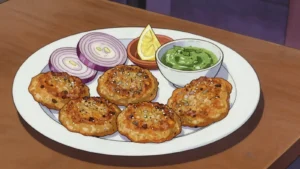 Shami KebabShallow-fried patties of minced meat and chana dal
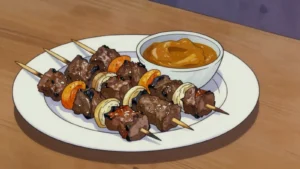 SosatiesCape Malay lamb skewers marinated in curry and apricot
 Kleichacardamom cookies spiraled with date paste; the national cookie
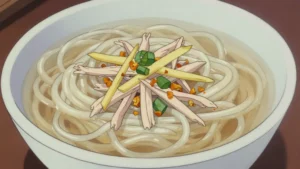 Khao Piak SenChewy tapioca-rice noodles in gingery chicken broth
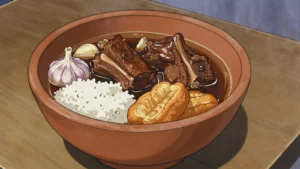 Bak Kut TehPork ribs simmered in dark herbal broth, Klang specialty
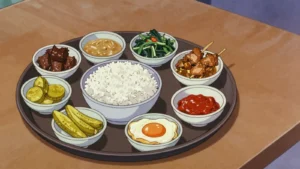 RijsttafelRice with dozens of small Indonesian dishes served together.
 AwazeBerbere loosened with tej or wine into a dark dipping paste for grilled meat
Spices is tagged on 708 dishes from 175 countries in the atlas. These notes are written from general knowledge and carry no per-fact citation — see About.