
Ingredients
Plantain
- 4very ripe plantains, skins deep yellow with heavy black patches
- 1 tspsalt
- 600 mlred palm oil or refined vegetable oil, for frying
Sauce (piment)
- 2onions, sliced into thin half-moons
- 2tomatoes, deseeded and diced
- 2–4fresh chillies (piment antillais or scotch bonnet), finely chopped
- 1stock cube, crumbled, or 1 tsp salt
- 1 tbspoil
- Juice of half a lemon
To serve
- 4eggs, fried (optional)
- Attiéké or plain rice
Directions
- Choose plantains that are almost black. Yellow-green ones are starchy and will fry hard and bland; the sugars in a very ripe plantain are what give the caramelised crust.
- Peel by cutting the ends off, scoring the skin lengthways along a ridge and levering it off with your thumb.
- Cut into 2 cm thick diagonal slices or short fingers, and toss with the salt.
- Heat the oil in a deep pan to 170–175°C (350–350°F); test with one piece, which should rise and bubble steadily rather than sit still or spit violently.
- Fry in batches, without crowding, for 3–4 minutes, turning once, until the pieces are deep golden with dark caramel edges and soft all the way through.
- Lift out with a slotted spoon and drain on paper or on a rack; salt again lightly while hot.
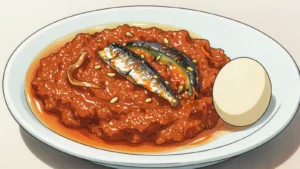
- For the sauce, soften the onion in a spoonful of oil for 3–4 minutes so it keeps some crunch, add the tomato and chilli, cook 3 minutes, then season and finish with lemon. In Abidjan maquis this is often served raw and simply macerated.
- Fry the eggs if using, and pile the hot alloco onto a plate with the piment sauce spooned over or served alongside, eaten with a toothpick or with your fingers.
Technique
- Alloco is Côte d’Ivoire’s most-eaten street snack, sold from open-air stalls by women known as alloco-tantie, fried to order in wide black pans of palm oil.
- Red palm oil is the traditional fat and gives both colour and a distinctive savoury-earthy note. It smokes lower than refined oil, so keep the temperature at 170°C (350°F) and never let it darken.
- Do not crowd the pan. Each piece must be surrounded by hot oil or the plantain steams, absorbs oil and goes soggy instead of crisping.
Substitutions
- If plantains are unripe and you cannot wait, ripen them in a paper bag for 3–4 days, or use a very ripe cooking banana as a poor second best.
- Refined groundnut or sunflower oil can replace palm oil; add a pinch of paprika to the salt for colour.
Variations
- Alloco is commonly served with a fried egg on top as a full meal, or alongside attiéké.
- Ghanaian kelewele is the spiced cousin: the plantain is tossed with ginger, chilli, clove and a little salt before frying.
- Some stalls fry the plantain twice, at a lower then a higher temperature, for a firmer, crisper edge.
History
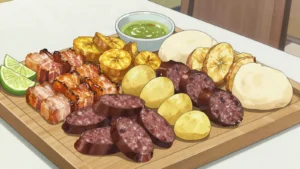
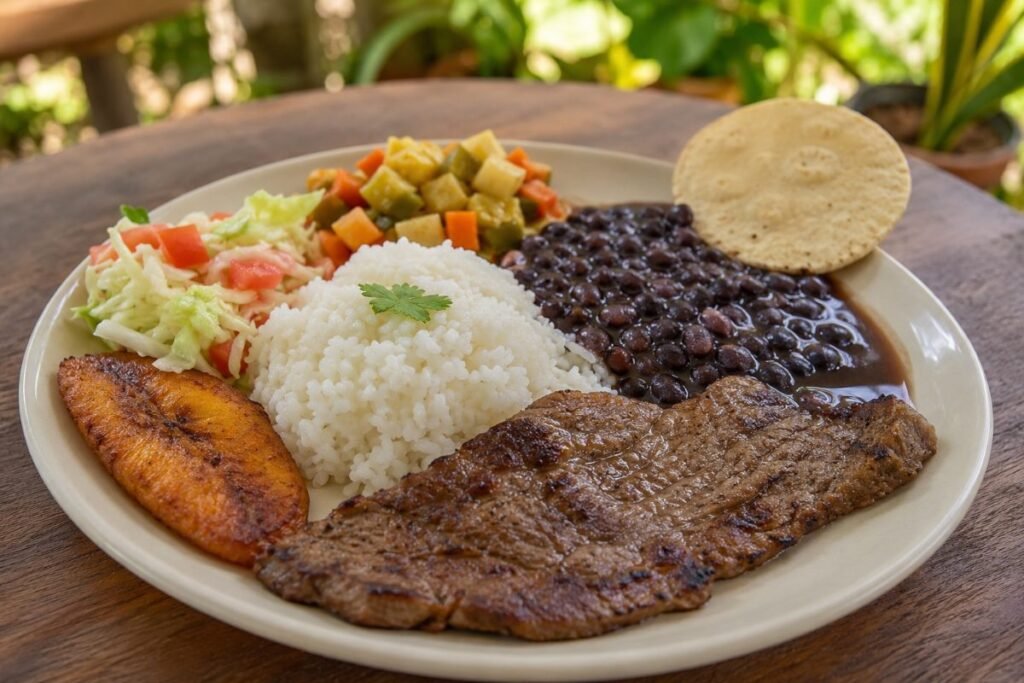
Ripe plantain, sliced and deep-fried until caramelised and golden, developed across Côte d’Ivoire and neighboring West African countries using plantain, a starchy relative of the banana long cultivated across the region’s tropical climate zones for centuries. Its simple preparation, frying ripe rather than unripe plantain, produces a notably sweeter result than green plantain preparations found elsewhere in West and Central African cooking, and alloco is traditionally sold as street food, often paired with grilled fish or chicken and a spicy onion-and-tomato sauce called sauce alloco. It remains one of Côte d’Ivoire’s most widely recognized street foods, sold from roadside stalls and vendors particularly common in Abidjan and other Ivorian cities.
Frequently asked questions
What is Alloco?
Alloco is a street food from Côte d’Ivoire: fried ripe plantain chunks with chili-onion sauce, often grilled fish or egg. Ripe plantain, sliced and deep-fried until caramelised and golden, developed across Côte d’Ivoire and neighboring West African countries using plantain, a starchy relative of the banana long cultivated across the region’s tropical climate zones for centuries. Its simple preparation, frying ripe rather than unripe plantain, produces a notably sweeter result than green plantain preparations found elsewhere in West and Central African cooking, and alloco is traditionally sold as street food, often paired with grilled fish or chicken and a spicy onion-and-tomato sauce called sauce alloco. It remains one of Côte d’Ivoire’s most widely recognized street foods, sold from roadside stalls and vendors particularly common in Abidjan and other Ivorian cities.
How long does Alloco take to make?
Alloco takes 15 min of preparation and 20 min of cooking. The recipe makes 4 servings. It is rated easy to make.
What can I substitute in Alloco?
Yes, within limits. If plantains are unripe and you cannot wait, ripen them in a paper bag for 3–4 days, or use a very ripe cooking banana as a poor second best. Refined groundnut or sunflower oil can replace palm oil; add a pinch of paprika to the salt for colour.
What is the most important thing to get right in Alloco?
Heat the oil in a deep pan to 170–175°C (350–350°F); test with one piece, which should rise and bubble steadily rather than sit still or spit violently.