
Ingredients
Tripe
- 1 kgbeef tripe
- juice of 4 limes
- coarse salt, for scrubbing
- 2 tablespoonsvinegar
- 1onion, halved
- 2bay leaves
Base
- 2onions, finely chopped
- 6garlic cloves, crushed
- 3 tablespoonsaji amarillo paste
- 1 tablespoonpalillo, Peruvian turmeric
- 1 teaspoonground cumin
- 4 tablespoonsoil
To finish
- 800 gpotatoes, in cubes
- 500 mltripe cooking liquid
- a large handful of mint, chopped
- or a sprig of huacatay
- salt and black pepper
- 100 gpeas, optional
To serve
- plain white rice
- aji sauce
Directions
- Rinse it well under cold running water. Rub it hard with coarse salt on both sides. Rinse and repeat that once more. Let it sit for twenty minutes in that acid. Rinse it thoroughly one final time. It should smell clean and faintly of lime.
- Put the cleaned tripe in a large pot. Cover it generously with cold water. Add the halved onion and the bay leaves. Bring it to a boil and skim the foam. Let it cook for about ninety minutes. Some tripe needs a full two hours. Top up with hot water if it drops. Judging the tripe takes a test.
- Lift it out and keep the cooking liquid. Let it cool enough to handle safely. Cut it up into small even cubes. Aim for pieces about two centimetres across. Heat the oil in a wide heavy pan. Add the finely chopped onions. Cook them for a good ten minutes. They should soften and turn golden.
- Add the crushed garlic and cook for one minute. Add the aji amarillo paste to it. Fry it for a full five minutes. Add the palillo and the cumin. Cook them for another two minutes. Add the cubed tripe to the pan.
- Turn it over in the aderezo to coat it. Let it fry for about five minutes. Pour in the reserved cooking liquid. Bring it up to a gentle simmer. Peel the potatoes and cut them into cubes. Cut them the same size as the tripe. Add them to the simmering pan.
- Let them cook for about twenty minutes. They should be tender but hold their shape. Add the peas for the last five minutes. It should be thick rather than soupy. Add more cooking liquid if it is too dry. Cook it uncovered a few minutes to reduce it. Taste it and adjust the salt to suit. Finishing it is done off the heat.
- Stir in the chopped mint generously. Let it sit covered for five minutes. Serving it is done hot with rice. Spoon it onto plates beside plain white rice. Put a bowl of aji sauce on the table. It keeps three days refrigerated.
Technique
- Criollo cooking is the coastal creole tradition of Lima, built on offal and inexpensive cuts.
- Palillo is a Peruvian root used mainly as a yellow colouring, and huacatay is Peruvian black mint, a different plant from common mint.
Substitutions
- Ordinary turmeric stands in for palillo and provides the same colour.
- Mint replaces huacatay, though the flavour is milder and less aromatic.
Variations
- Cau cau de mariscos is made with seafood in place of tripe.
- A chicken version is made for those who avoid offal.
- Mondonguito a la italiana is the other great Lima tripe dish.
History
A stew of tripe, potato and mint, coloured yellow with turmeric, developed in Peruvian home cooking as a way to use tripe, an organ meat requiring extensive cleaning and long cooking to become properly tender, reflecting a broader culinary pattern of using an entire slaughtered animal rather than discarding less prized cuts. Its bright yellow colour, achieved through turmeric rather than the aji amarillo chili more commonly used for yellow colouring in other Peruvian dishes, and its notable use of fresh mint as a defining herb, distinguish cau cau’s specific flavour within the broader landscape of Peruvian home cooking. It remains a common, everyday Peruvian home-cooked dish rather than one reserved for restaurants or special occasions specifically.
Frequently asked questions
What is Cau cau?
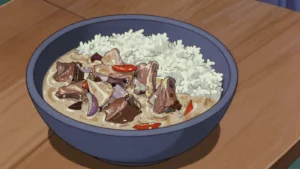
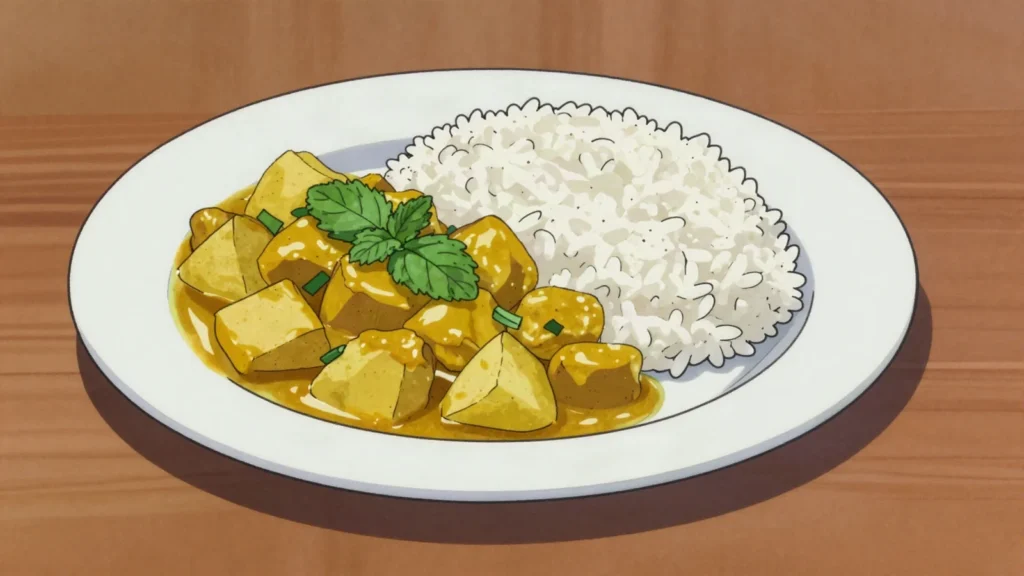
Cau cau is a main from Peru: tripe cubes stewed with potato, turmeric and mint, served with rice. A stew of tripe, potato and mint, coloured yellow with turmeric, developed in Peruvian home cooking as a way to use tripe, an organ meat requiring extensive cleaning and long cooking to become properly tender, reflecting a broader culinary pattern of using an entire slaughtered animal rather than discarding less prized cuts. Its bright yellow colour, achieved through turmeric rather than the aji amarillo chili more commonly used for yellow colouring in other Peruvian dishes, and its notable use of fresh mint as a defining herb, distinguish cau cau’s specific flavour within the broader landscape of Peruvian home cooking. It remains a common, everyday Peruvian home-cooked dish rather than one reserved for restaurants or special occasions specifically.
How long does Cau cau take to make?
Cau cau takes 1 hour of preparation and 2 hours of cooking. The recipe makes serves 6. It is rated medium to make.
What can I substitute in Cau cau?
Yes, within limits. Ordinary turmeric stands in for palillo and provides the same colour. Mint replaces huacatay, though the flavour is milder and less aromatic.
What is the most important thing to get right in Cau cau?
Let them cook for about twenty minutes. They should be tender but hold their shape. Add the peas for the last five minutes. It should be thick rather than soupy. Add more cooking liquid if it is too dry. Cook it uncovered a few minutes to reduce it. Taste it and adjust the salt to suit. Finishing it is done off the heat.