
Ingredients
Dough
- 600 gcassava, peeled
- 400 gboniato, white sweet potato
- 300 gmalanga or taro, peeled
- 1egg
- 2 tablespoonsplain flour, if needed
- 1 teaspoonsalt
- 1 teaspoonaniseed, ground
Syrup
- 400 gsugar
- 300 mlwater
- 2cinnamon sticks
- 1 tablespoonwhole aniseed
- the peel of 1 lime
- 1 teaspoonvanilla
To fry
- oil, for deep frying
Directions
- Peel away the whole pink layer under the bark. Never taste the raw root at any point. Peel all three roots and cut them into chunks. Put them in a large pot of salted water.
- Bring it to the boil and let them cook. Give them about twenty-five minutes. Drain them thoroughly in a colander. Let them steam dry for a few minutes. Making the dough is done while they are warm. Mash the hot roots thoroughly together. There must be no lumps or fibres left.
- Pull out any woody strands you find. Let the mash cool enough to handle. Add the egg and the ground aniseed. Add the salt and mix everything through. Knead it briefly into a smooth dough. It should be firm enough to roll into a rope. Add a little flour if it is too soft. Too much flour makes them heavy. Put the sugar and water in a pan. Add the cinnamon, aniseed and lime peel.
- Stir it over a low heat until the sugar dissolves. Then stop stirring and let it boil. Let it reduce for about fifteen minutes. It should thicken to a light syrup. Stir in the vanilla at the end. Keep it warm but do not let it thicken further. Take a piece of dough about the size of a walnut.
- Roll it into a rope on the work surface. Aim for a rope about twenty centimetres long. Press the crossing point to hold it. Set each one on a floured tray. Frying them needs steady heat.
- Pour oil into a deep pan to seven centimetres. Never fill a pan more than halfway with oil. Heat the oil to about 170C for frying. Too hot and the outside burns before the inside cooks. Fry them for about four minutes. Turn them once as they colour. They should be deep golden all over. Lift them out onto kitchen paper. Serving them is done warm in the syrup.
- Set the fritters in a shallow dish. Pour the warm anise syrup over them. Let them sit for a few minutes to soak. Serve them with plenty of syrup in each bowl. They are best warm on the night they are made.
Technique
- Nochebuena, Christmas Eve, is the main Cuban Christmas celebration and these fritters close the meal.
- The figure-eight shape is the traditional and recognised form for these particular bunuelos.
Substitutions
- Cassava alone can be used, though the mix of three roots gives a better texture.
- Ground star anise stands in for aniseed with a slightly stronger flavour.
Variations
- Some households make simple rings rather than figure eights.
- A version with more boniato gives a sweeter and softer fritter.
- Bunuelos across Latin America vary enormously in shape and ingredients.
History
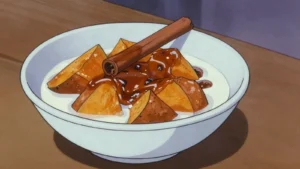
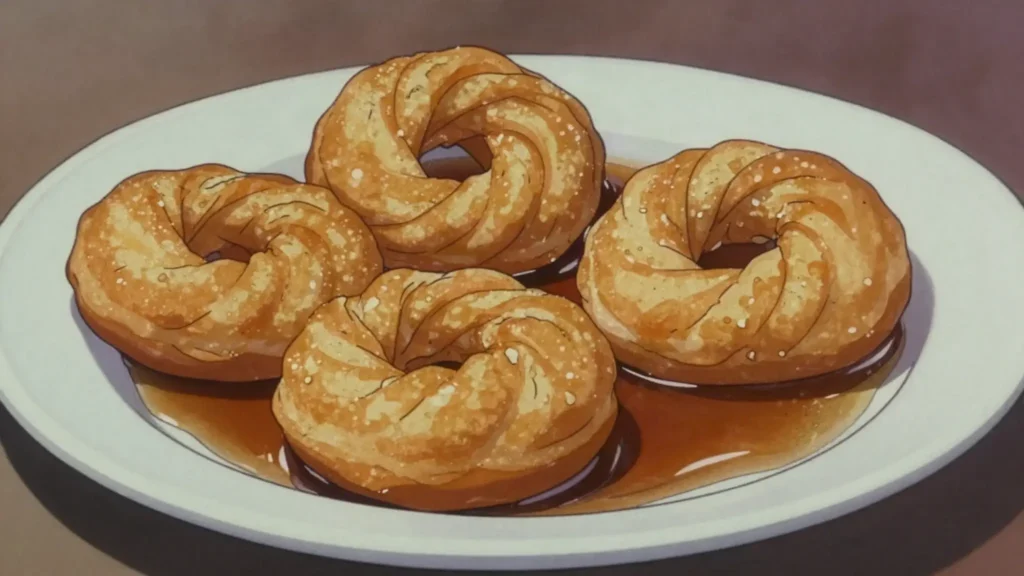
Cuba’s Christmas Eve sweet, twisted into a figure eight and served in a pool of dark anise-scented syrup.
Frequently asked questions
What is Buñuelos de anís?
Buñuelos de anís is a dessert from Cuba: figure-eight fritters of yuca and boniato dough soaked in anise syrup. Cuba’s Christmas Eve sweet, twisted into a figure eight and served in a pool of dark anise-scented syrup.
How long does Buñuelos de anís take to make?
Buñuelos de anís takes 1 hour of preparation and 30 minutes of cooking. The recipe makes about 24 fritters. It is rated medium to make.
What can I substitute in Buñuelos de anís?
Yes, within limits. Cassava alone can be used, though the mix of three roots gives a better texture. Ground star anise stands in for aniseed with a slightly stronger flavour.
What is the most important thing to get right in Buñuelos de anís?
Peel away the whole pink layer under the bark. Never taste the raw root at any point. Peel all three roots and cut them into chunks. Put them in a large pot of salted water.