The great tubers of the tropics — true yams, taro, cocoyam, eddoe — pounded, boiled and fried into the staple starches of West Africa, the Caribbean, the Pacific and Southeast Asia, and often confused with each other and with the sweet potato.
Where it comes from
True yams are the tubers of tropical vines of the genus Dioscorea, and they can be enormous — a metre long and tens of kilos. West Africa grows most of the world’s and built cuisines around them: Nigerian pounded yam, Ghanaian ampesi and fufu, the New Yam festivals of the Igbo. Asian yams are eaten from India to Japan, where the slippery grated nagaimo is eaten raw. The word yam is also used, confusingly, for sweet potato in the American South, which is a different plant.
Taro and its cousins — cocoyam, eddoe, dasheen, malanga — are aroids, another family altogether, with a hairy brown skin and dense white or purple-flecked flesh that must be cooked to destroy the irritant crystals in it. Taro is the staple of Polynesia and Hawaii (pounded into poi), of the Caribbean and West Africa, and of Chinese and Japanese cooking, where it is braised and steamed. Cassava, the third great tropical root, has its own page.
Varieties
- White yam (Dioscorea rotundata) — The West African staple; large, rough brown skin, dense white flesh. Pounded, boiled, fried.
- Water yam (D. alata) — Purple or white flesh, more watery; grown across the tropics. The purple ube of the Philippines is one.
- Nagaimo / Chinese yam — Long, pale, slimy when grated; eaten raw in Japan and cooked in China.
- Taro (dasheen) — Large corm, hairy brown skin, white flesh flecked with purple. Boiled, mashed, fried, in poi and in Chinese taro cake.
- Eddoe and cocoyam — Smaller taro relatives, nuttier; boiled and pounded in the Caribbean and West Africa.
- Malanga (yautía) — The Caribbean aroid with fibrous flesh and a nutty flavour; in Puerto Rican and Cuban fritters and soups.
In the kitchen
Peel thickly and boil in salted water until soft — most yams and all taro must be well cooked. Boiled yam is pounded to a smooth, stretchy dough in a mortar for Nigerian pounded yam; boiled taro is mashed for poi. Both fry well from raw in thick chips, and both take a sauce or a soup as their whole purpose — yam with egusi or a pepper soup, taro with coconut milk.
Taro must never be eaten raw and its peel can irritate the skin; peel with gloves or under water. Yam flesh oxidises fast once cut; hold it in water. Both are bland by design and are the bed for something highly flavoured.
Choosing and keeping
Choose firm tubers with no soft or mouldy patches and no shrivelling; a cut end should be clean and white, not discoloured. Whole, they keep for weeks somewhere cool and dark, not in the fridge.
Taro is often sold in Asian and Caribbean shops in small and large sizes; the small eddoes are sweeter. Frozen grated or sliced yam and taro are sold for pounded yam and taro cake.
Dishes with yam
 Halo-HaloLayered shaved ice with sweet beans, jellies, ube and leche flan
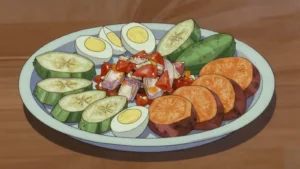 Heri heriBoiled cassava, plantain, sweet potato and egg with bakkeljauw
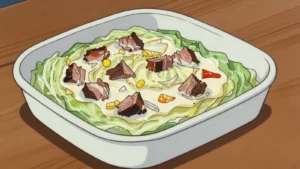 Kapisi PuluCorned beef and cabbage baked in coconut cream, the everyday umu dish
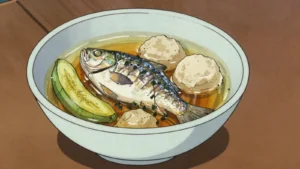 Fish waterThin peppery fish broth with green fig, dumplings and provisions
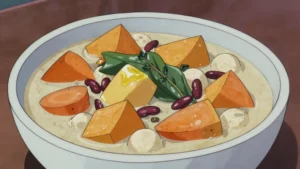 Ital stewSaltless vegan stew of coconut milk, vegetables and dumplings
 BabaiGiant swamp taro grown in pits, boiled or pounded for feasts
 LaplapNational dish of grated root-crop pudding with coconut cream, baked in leaves
 Mangrove CrabPohnpei's famously fat crabs steamed or simmered in coconut milk
Yam and the starchy roots is tagged on 154 dishes from 56 countries in the atlas. These notes are written from general knowledge and carry no per-fact citation — see About.