
Ingredients
The corn
- 6 earsyoung sweetcorn
- maíz nuevo, freshly picked
- kernels cut from the cob
- about 600 g kernels
- or 600 g frozen sweetcorn
- thawed and drained
The batter
- 2eggs
- 3 tablespoonsplain flour
- or masa harina
- 1 teaspoonbaking powder
- 1 teaspoonsalt
- 1 tablespoonsugar
- or to taste
- a splash of milk, if needed
The cheese
- 150 gqueso fresco
- crumbled
- or a mild white cheese
- or feta, rinsed and crumbled
Sometimes added
- 2spring onions, chopped
- a little chopped coriander
- a pinch of chilli
For frying
- 300 mlvegetable oil
- or enough for 1 cm depth
To serve
- extra queso fresco
- soured cream or crema
- hot coffee
- or a cold drink
Directions
- Brown dry silk means it is old. Peel back a little husk and press a kernel. It should burst and release milky liquid. Strip the husks and the silk from each ear. Rub with a dry cloth to remove clinging silk.
- Stand the ear upright in a wide bowl. Cut down the cob with a sharp knife. Cut close to the cob but not into it. That juice is worth keeping, so do not lose it. Put the kernels and their juice in the bowl. Some whole kernels should remain visible. Tip the ground corn into a large bowl. Beat the eggs and add them in. Add the flour, baking powder and salt.
- Add the sugar and stir it through. Very sweet new corn may need almost none. Add more flour if it is too loose. Add a splash of milk if it is too stiff. Fresh milky corn needs less added liquid.
- Crumble it rather than grating it. Fold it in gently so pieces stay whole. Add the spring onion and coriander if using. One centimetre of depth is enough. Keep a lid within easy reach of the pan. If it catches fire, turn off the heat. Heat it to about one hundred and seventy degrees. It should sizzle steadily on contact.
- Use a tablespoon and push it off with another. Flatten each one slightly with the spoon. Thick ones stay raw in the middle. Fry four or five at a time only. Do not crowd the pan at any point. Fry them for about three minutes a side. They should be deep golden and crisp.
- Turn them once with a slotted spoon. Break the first one open to check inside. The centre should be set, not wet. Adjust your timing after that check. Lift them out and drain them on a rack. A rack keeps them crisper than paper alone.
- Sprinkle a little salt while still hot. Let the oil recover between batches. Serve them hot and freshly fried. They soften noticeably within twenty minutes. Serve extra crumbled cheese alongside. Leftovers keep two days in the fridge.
Technique
- Maíz nuevo means new maize, picked young while the kernels are still soft and milky. That milkiness is what makes the fritter, and mature dried maize will not work at all — it would need nixtamalising and grinding first. The season is short, which is why village festivals mark it.
- Corn starts converting its sugar to starch the moment it is picked. Buy it in the husk, check that the silk is pale and soft rather than brown, and press a kernel — it should burst and release milk, not dent.
- Scrape the cob with the back of the knife after cutting off the kernels. The milky liquid still clinging to it carries a great deal of the flavour, and most people throw it away.
- Grind coarse, not smooth. Some whole kernels should stay visible; a completely smooth purée gives a pasty fritter.
- Judge the batter, not the recipe. Fresh milky corn needs less added liquid; frozen corn usually needs a touch more flour. It should hold its shape on a spoon and not run off.
- Use a fresh non-melting cheese like queso fresco. It softens and stays in visible pieces, where a melting cheese leaks into the oil.
- Flatten each fritter slightly in the pan. Thick ones stay raw in the middle, and it is worth breaking the first one open to check before committing to a timing.
- Shallow-frying rules still apply: never leave the pan unattended, keep a lid within reach, and never throw water on burning oil.
Substitutions
- Frozen sweetcorn replaces fresh; thaw and drain it well, and expect to add a little more flour and a little more sugar.
- Masa harina replaces plain flour and gives a more distinctly corn-flavoured fritter.
- Feta, rinsed to reduce the salt and crumbled, replaces queso fresco reasonably well. Halloumi also works, cut small.
- The sugar can be left out entirely for a firmly savoury fritter, which is how many households make them.
- Spring onion, coriander and a pinch of chilli are all common additions and none is required.
- A little cream or evaporated milk in place of the milk gives a richer batter.
Variations
- A sweet version, made with more sugar and no cheese, is served as a dessert with syrup or honey.
- Tortillas de maíz nuevo, thicker and cooked on a griddle rather than fried, are made from the same ground corn.
- Bollos and other Panamanian fresh-corn preparations belong to the same seasonal family.
- Colombian and Venezuelan cachapas use fresh corn ground the same way, cooked as a pancake and folded around cheese.
- Guatemalan and Honduran fresh-corn fritters are close relatives with local cheeses.
- Some cooks add a spoonful of cream to the batter, giving a softer, richer fritter.
History
Made in the Panamanian interior when the new maize comes in, sold at village festivals and roadside stands.
Frequently asked questions
What is Torrejitas de maíz nuevo?
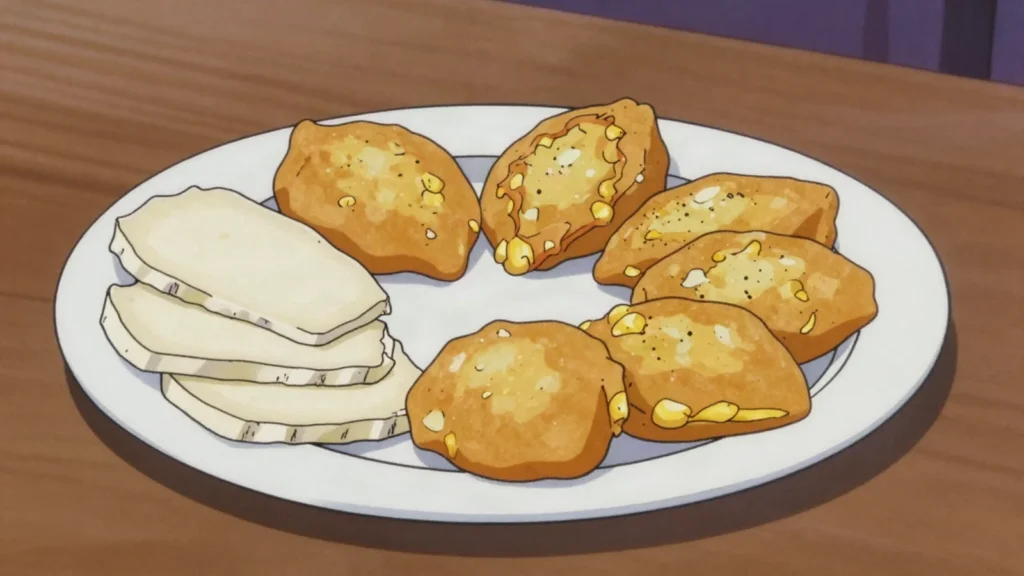
Torrejitas de maíz nuevo is a snack from Panama: fritters of freshly ground young corn, fried and eaten with cheese. Made in the Panamanian interior when the new maize comes in, sold at village festivals and roadside stands.
How long does Torrejitas de maíz nuevo take to make?
Torrejitas de maíz nuevo takes 25 minutes of preparation and 20 minutes of cooking. The recipe makes makes about 16 fritters. It is rated easy to make.
What can I substitute in Torrejitas de maíz nuevo?
Yes, within limits. Frozen sweetcorn replaces fresh; thaw and drain it well, and expect to add a little more flour and a little more sugar. Masa harina replaces plain flour and gives a more distinctly corn-flavoured fritter. Feta, rinsed to reduce the salt and crumbled, replaces queso fresco reasonably well. Halloumi also works, cut small. The sugar can be left out entirely for a firmly savoury fritter, which is how many households make them. Spring onion, coriander and a pinch of chilli are all common additions and none is required. A little cream or evaporated milk in place of the milk gives a richer batter.
What is the most important thing to get right in Torrejitas de maíz nuevo?
Stand the ear upright in a wide bowl. Cut down the cob with a sharp knife. Cut close to the cob but not into it. That juice is worth keeping, so do not lose it. Put the kernels and their juice in the bowl. Some whole kernels should remain visible. Tip the ground corn into a large bowl. Beat the eggs and add them in. Add the flour, baking powder and salt.