The soft, mild, unaged cheeses made in a day and eaten within the week — ricotta, paneer, queso fresco, cottage cheese, quark, mascarpone, cream cheese — the cheeses that are an ingredient more than a course, filling pastries, thickening sauces and taking on whatever they are cooked with.
Where it comes from
Every dairying culture makes a fresh cheese: milk curdled with acid or rennet, drained, and eaten before it has time to age. Ricotta — ‘recooked’ — is the Italian version made from the whey left over from other cheeses, reheated until its remaining proteins curdle into a fine, sweet curd; it has been made in Sicily and the south since antiquity and is the filling of cannoli, cassata, ravioli and the Roman pasta alla ricotta. Paneer is its Indian cousin, milk curdled with lemon or vinegar and pressed firm enough to fry and cube into a curry.
The family is broad and each member has its uses. Queso fresco and requesón are the Mexican fresh cheeses crumbled over beans and enchiladas; cottage cheese and quark are the northern European and American curds; mascarpone is Italian cream barely soured and set, the base of tiramisu; cream cheese is the American spreadable cheese of the bagel and the cheesecake; labneh is strained yoghurt, thick enough to spread. They share mildness, moisture and a short life, and most can be made at home in an afternoon.
Varieties
- Ricotta — Italian whey cheese: fine-grained, sweet, moist. For fillings, pasta, cheesecake and eating with honey. Ricotta salata is the pressed, salted, aged version, grated.
- Paneer — Indian pressed acid-set cheese; firm, does not melt, holds its shape fried and in curries — palak paneer, matar paneer.
- Queso fresco / requesón — Mexican fresh cheese, crumbly and mildly salty, or soft ricotta-like requesón. Over beans, tacos and enchiladas.
- Cottage cheese and quark — Loose curd (cottage) or smooth strained curd (quark); Central and Northern European, for cheesecakes, dumplings and spreads.
- Mascarpone — Italian thickened cream, very rich and sweet-tasting; for tiramisu and as a cream substitute.
- Cream cheese — American; smooth, tangy, spreadable. For cheesecake, frosting and bagels.
In the kitchen
Ricotta wants draining before it goes into a filling or a cheesecake — an hour in a sieve — or the result weeps. Whipped with a little sugar and lemon zest it fills cannoli; mixed with spinach, egg and Parmesan it fills ravioli and lasagne; spooned onto pasta with black pepper and olive oil it is a Roman supper. Baked, it firms into a savoury cake.
Paneer is cubed and fried until golden before it goes into a spiced gravy, or grilled on skewers, or crumbled into a scramble (bhurji). Queso fresco is crumbled raw as a finish. Mascarpone and cream cheese are beaten with sugar for desserts and never heated hard, which splits them. Fresh cheese in a hot pan needs low heat and patience.
Choosing and keeping
Fresh cheeses live a week or so in the fridge and should smell clean and milky; sourness beyond the cheese’s own tang, or pink or grey patches, mean they are over. Keep them in their liquid or wrapped tightly.
Ricotta and paneer are easy and far better made at home from whole milk, an acid and an hour. Supermarket ricotta is often thin and grainy; Italian and Middle Eastern delis sell better, and tub ricotta improves markedly with draining.
Dishes with ricotta
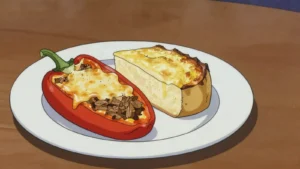 Rocoto rellenoArequipa's hot rocoto pepper stuffed with beef, baked with cheese
 ChocotortaNo-bake cake of chocolate cookies, dulce de leche, cream cheese
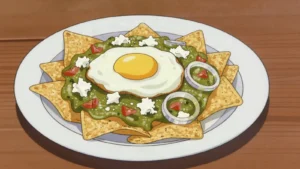 ChilaquilesFried tortilla chips simmered in salsa with crema and egg
 KhameerSoft slightly sweet yeasted bread topped with sesame, split and filled.
 Projacornbread with white cheese, everyday side
 Gibanicacrumpled phyllo pie with white cheese and eggs
 Cannolicrisp Sicilian shells piped with sweet ricotta
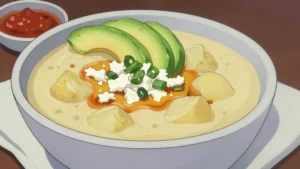 Locro de papaCreamy potato-cheese soup crowned with avocado
Ricotta and the fresh cheeses is tagged on 95 dishes from 51 countries in the atlas. These notes are written from general knowledge and carry no per-fact citation — see About.