
Ingredients
The molasses
- 400 gdark molasses
- or blackstrap molasses
- or 400 g dark cane syrup
- 100 mlwater
The coconut
- 1large dry coconut
- grated
- about 300 g grated flesh
- or 250 g desiccated coconut
- unsweetened
The flavouring
- peel of 2 oranges
- the zest only, no white pith
- finely chopped
- half a teaspoon grated nutmeg
- a pinch of salt
- a little grated ginger, optional
Sometimes added
- 50 gsugar
- if the molasses is very bitter
- a small piece of cinnamon bark
- a splash of vanilla
To shape
- a greased tray
- or greased banana leaf
- cold water, to wet hands
- wax paper, to wrap
Directions
- Taste yours before deciding on added sugar. Use dry mature coconut, not young coconut. Young coconut flesh is soft and watery. Shake it and listen for water inside. Check the three eyes at one end. They should be dry and firm, not damp.
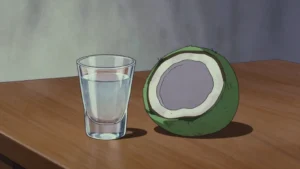
- Pierce two eyes and drain the water out. Drink it, since it should not be wasted. Hold the coconut over a bowl in one hand. Never chop at a coconut on a board. Grate it on the coarse side of a grater. Wash the oranges thoroughly first. Take only the coloured outer layer. Chop the zest very finely indeed. Never taste it from the pan with a finger. Use a long-handled wooden spoon.
- Keep children well away from the kitchen. If it splashes on skin, act immediately. Cool it for a full twenty minutes. Do not try to pull off stuck syrup. Put the molasses and water in a heavy pan. A thick base is essential here. Heat it gently and stir until combined.
- Add the sugar now if you are using it. Stir until any sugar has dissolved. Bring the mixture up to a steady boil. Boil it, stirring often, for about ten minutes. That foaming is why the pan must be large.
- Drop a little into a cup of cold water. It should form a soft ball you can pick up. Add the chopped orange peel at the same time. Add the nutmeg, salt and any other spice. Stir it all through thoroughly. Cook it for another five to ten minutes. Stir constantly so it does not catch. The mixture should pull away from the pan sides.
- Take it off the heat when it holds together. Let it cool in the pan for ten minutes. It must cool enough to handle safely. Keep a bowl of cold water beside you. Re-wet your hands between every ball.
- Take a spoonful and roll it into a ball. About the size of a walnut is right. Put each one on a greased tray. Grease the leaf lightly before using it. Let them set completely at room temperature. That setting takes about two hours. Wrap each one in a small square of wax paper. The paper stops them sticking together.
Technique
- Molasses is what is left after sugar has been crystallised out and exported. The sweet exists because the product left the island and the by-product stayed. Trinidad’s cane industry rested on enslaved African labour and then, after emancipation, on more than a hundred thousand indentured labourers brought from India. A sweet made from a waste product is not a neutral thing, and the atlas records that.
- Boiling molasses is hotter than boiling water and it sticks to skin. Never taste from the pan or lean over it, use a long-handled spoon, and keep children out of the kitchen. If it splashes, run cold water over the area for a full twenty minutes, do not pull off stuck syrup, and get medical advice for anything beyond a small mark.
- Use a large heavy pan. Molasses foams up dramatically as it boils, and a small pan boils over onto the flame.
- Test in cold water for the soft ball stage — a ball that holds its shape but stays pliable, around 115 degrees. Under it, the toolum will not hold together; over it, it sets like rock.
- There is a narrow shaping window. The mixture must cool enough to handle but not go cold, since cold toolum is too stiff to shape. Keep a bowl of cold water beside you and re-wet your hands between every ball.
- Molasses varies enormously. Blackstrap is dark, low in sugar and genuinely bitter; lighter molasses is sweeter and milder. Taste yours before deciding whether to add sugar.
- Do not set them in the fridge. Cold makes them hard and unpleasant, and they need no refrigeration at all.
Substitutions
- Dark cane syrup or treacle replaces molasses; the result is sweeter and less bitter.
- Desiccated unsweetened coconut replaces fresh grated; use about 250 g, and expect a drier sweet.
- Lime or grapefruit zest replaces orange peel for a sharper edge.
- Grated ginger added with the spices gives a warming version that some households prefer.
- A little added sugar rounds out a very bitter blackstrap molasses.
- Greased baking paper replaces banana leaf for setting them.
Variations
- Trinidadian sugar cake, made with white sugar rather than molasses, is the pale sibling and is often coloured pink.
- Coconut drops in Jamaica and tablèt in Haiti belong to the same Caribbean family of coconut-and-sugar sweets.
- Some cooks shape toolum into flat cakes or cones rather than balls, and all shapes are made.
- A version with grated ginger is common and gives a noticeably warming heat.
- Bene balls, made with sesame seed and molasses, are a related Trinidadian parlour sweet.
- Guyanese and Barbadian versions of molasses-and-coconut sweets are made under their own names.
History
An old Trinidadian sweet sold from glass jars in parlours, made from the molasses left by sugar production.
Frequently asked questions
What is Toolum?
Toolum is a snack from Trinidad and Tobago: sticky balls of molasses, grated coconut and orange peel. An old Trinidadian sweet sold from glass jars in parlours, made from the molasses left by sugar production.
How long does Toolum take to make?
Toolum takes 20 minutes of preparation and 30 minutes, plus setting of cooking. The recipe makes makes about 24 balls. It is rated medium to make.
What can I substitute in Toolum?
Yes, within limits. Dark cane syrup or treacle replaces molasses; the result is sweeter and less bitter. Desiccated unsweetened coconut replaces fresh grated; use about 250 g, and expect a drier sweet. Lime or grapefruit zest replaces orange peel for a sharper edge. Grated ginger added with the spices gives a warming version that some households prefer. A little added sugar rounds out a very bitter blackstrap molasses. Greased baking paper replaces banana leaf for setting them.
What is the most important thing to get right in Toolum?
Pierce two eyes and drain the water out. Drink it, since it should not be wasted. Hold the coconut over a bowl in one hand. Never chop at a coconut on a board. Grate it on the coarse side of a grater. Wash the oranges thoroughly first. Take only the coloured outer layer. Chop the zest very finely indeed. Never taste it from the pan with a finger. Use a long-handled wooden spoon.