
Ingredients
Base
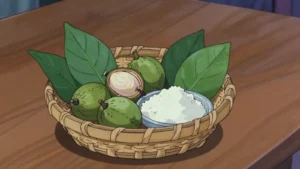
- 1 kgcassava, peeled and finely grated
- or 1 kg frozen grated cassava, thawed
To bind
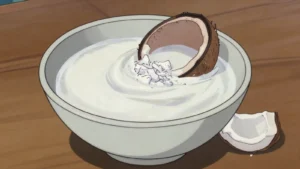
- 400 mlcoconut cream
- 200 mlcoconut milk
- 2eggs, beaten
- 100 gbutter, melted
To sweeten
- 250 gsugar
- 1 teaspoonvanilla extract
- 1/2 teaspoonsalt
To top
- 100 mlcoconut cream
- 2 tablespoonssugar
- grated fresh coconut, optional
Directions
- Peel cassava thoroughly and discard the skin and the outer layer. Cut out the woody core running down the middle. Cook it fully, which this recipe does in a long bake. Never eat cassava raw under any circumstances.
- Cut the root into manageable lengths. Score the thick brown skin lengthways with a knife. Both layers must come off completely. Rinse the white flesh under cold running water. Grate the flesh finely on a box grater or in a processor. For a party tray, squeeze out about half of it.
- Put the grated cassava into a large bowl. Pour in the coconut cream and the coconut milk. Add the sugar, the salt and the vanilla. Beat in the eggs and the melted butter.
- Stir everything together thoroughly with a spoon. The mixture should be loose and pourable. Heat the oven to 180C with a shelf in the middle. Grease a deep baking tray generously with butter. Pour the mixture in and level the top.
- Bake it for forty-five minutes without opening the door. The top should be set and starting to colour. Mix the extra coconut cream with the two spoons of sugar. Take the tray out and pour that over the surface. Spread it evenly with the back of a spoon.
- Return it to the oven for fifteen minutes more. The top should turn golden brown and slightly caramelised. Finish it under a hot grill for a minute for more colour. Watch it closely because the sugar burns fast.
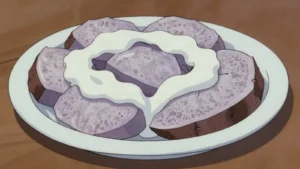
- Leave the tray on a rack until it is entirely cold. This takes several hours and cannot be rushed. Cut it into squares with a knife dipped in hot water. Scatter grated fresh coconut over the top if you like. It keeps for three days covered at room temperature.
Technique
- Cassava reached the Pacific through colonial trade and is now a staple across much of Micronesia.
- Very similar baked cassava cakes are made in the Philippines, Guam and the Marshall Islands under different names.
Substitutions
- Frozen grated cassava is sold in Asian and Latin American shops and works perfectly.
- Tinned coconut cream replaces fresh, though fresh pressed cream from a grated coconut is noticeably better.
Variations
- Some households add pandan or a little lime zest.
- A version topped with macapuno or condensed milk is popular in the Philippines.
- Adding a layer of custard on top makes a richer party version.
History
Palauan households turned the introduced cassava into a party dessert, cut in squares for church and family events.
Frequently asked questions
What is Tapioca Cake?
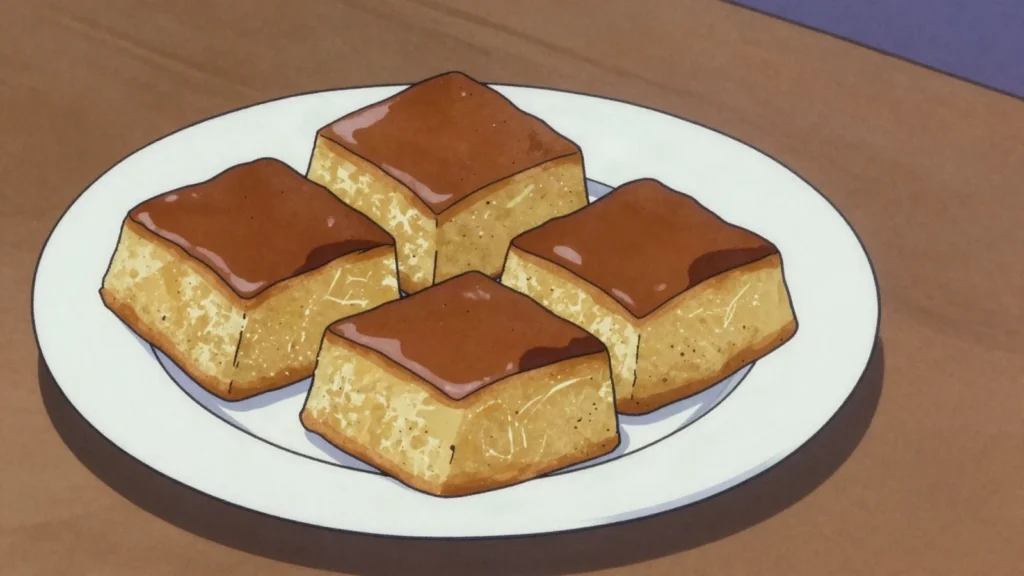
Tapioca Cake is a dessert from Palau: grated cassava baked with coconut cream and sugar into a sticky slab. Palauan households turned the introduced cassava into a party dessert, cut in squares for church and family events.
How long does Tapioca Cake take to make?
Tapioca Cake takes 30 minutes of preparation and 1 hour of cooking. The recipe makes one tray, 16 squares. It is rated easy to make.
What can I substitute in Tapioca Cake?
Yes, within limits. Frozen grated cassava is sold in Asian and Latin American shops and works perfectly. Tinned coconut cream replaces fresh, though fresh pressed cream from a grated coconut is noticeably better.
What is the most important thing to get right in Tapioca Cake?
Peel cassava thoroughly and discard the skin and the outer layer. Cut out the woody core running down the middle. Cook it fully, which this recipe does in a long bake. Never eat cassava raw under any circumstances.