
Ingredients
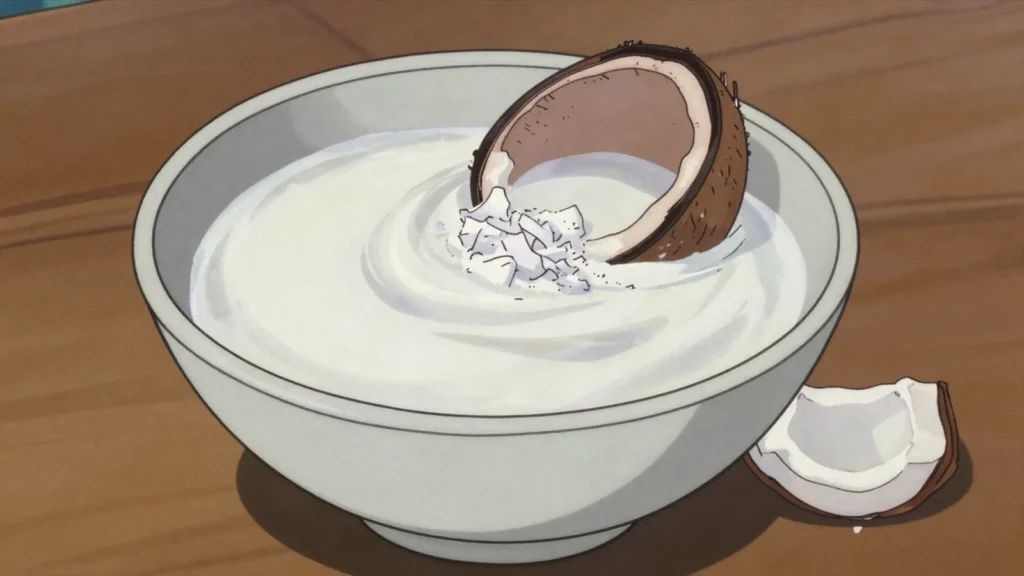
Coconut
- 2mature brown coconuts
- heavy and full of water
- warm water, for squeezing
Equipment
- a coconut scraper
- or a box grater
- a clean cloth or muslin
- a bowl
Sometimes seasoned with
- a pinch of salt
- a squeeze of lime
- grated ginger
Poured over
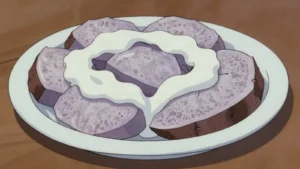
- boiled taro
- grilled or boiled fish
- cooked greens
- root vegetables
Directions
- Shake it and you should hear water inside. Check the three eyes for mould or damp. Opening a coconut takes some technique. Pierce the softest one with a screwdriver. Drain the water out into a glass.
- Hold the whole coconut in one hand. Use the back of a heavy knife. Keep turning it round as you tap. Getting the flesh out takes effort.
- Work it round to lever the flesh free. Grate the flesh as finely as you can. Put the grated flesh in a bowl. Add a small amount of warm water.
- Warm water helps release the oil. Cold water releases much less. Use as little as you can get away with. Squeeze the flesh hard in the water. Rub it hard between your palms.
- Keep working it for several minutes. The water turns thick and white. Tip it all into a clean cloth. Twist and wring it hard over a bowl. Keep wringing until nothing more comes out. That takes real strength in the hands.
- Add more water to the spent flesh. Squeeze it again for a thinner milk. Judging the cream takes a look. Stir it back together before using it. A thin watery result means too much water.
- Pour it over the food just before eating. Stir it well first, since it separates. It keeps two days refrigerated. Let it come to room temperature to loosen.
Technique
- Palau had no cattle and no pressed cooking oil before outside contact, so coconut cream filled both roles: it enriches, thickens and carries flavour, which is why it is called the base sauce of the cooking.
- A mature brown coconut is needed, since young green coconuts have soft jelly flesh that will not press into cream, while the mature nut has thick firm flesh full of oil.
- Tap around the coconut’s equator with the back of a heavy knife, turning as you go, since the shell splits cleanly along that natural line while random blows shatter it into fragments.
Substitutions
- Thick tinned coconut cream stands in, using the solid part from the top of the tin.
- A box grater or food processor replaces a Pacific coconut scraper with more effort.
Variations
- Many cooks use it entirely plain and others add salt, lime or ginger.
- The second thinner pressing is used for cooking and the first as a sauce.
- It is poured over taro, fish, greens and root vegetables alike.
History
The base sauce of Palauan cooking, squeezed fresh through fibre and used in place of oil or dairy.
Frequently asked questions
What is Ilaot?
Ilaot is a sauce & condiment from Palau: thick coconut cream pressed from grated flesh; poured over taro and fish. The base sauce of Palauan cooking, squeezed fresh through fibre and used in place of oil or dairy.
How long does Ilaot take to make?
Ilaot takes 30 minutes of preparation and none of cooking. The recipe makes about 500 ml. It is rated medium to make.
What can I substitute in Ilaot?
Yes, within limits. Thick tinned coconut cream stands in, using the solid part from the top of the tin. A box grater or food processor replaces a Pacific coconut scraper with more effort.
What is the most important thing to get right in Ilaot?
Hold the whole coconut in one hand. Use the back of a heavy knife. Keep turning it round as you tap. Getting the flesh out takes effort.