
Ingredients
The meat
- 600 gbeef
- or lamb, or goat
- cut into small even cubes
- about 1 cm
- salt and black pepper
The base
- 2onions, finely chopped
- 1sweet pepper, chopped
- 6garlic cloves, crushed
- 3cm ginger, grated
- 4 tablespoonsoil
- or ghee
The spice and sauce
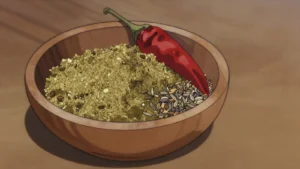
- 1 tablespoonxawaash
- the Somali spice blend
- 1 teaspoonground cumin
- half a teaspoon turmeric
- 6tomatoes, chopped
- 3 tablespoonstomato purée
- 500 mlstock or water
- chopped coriander
To serve
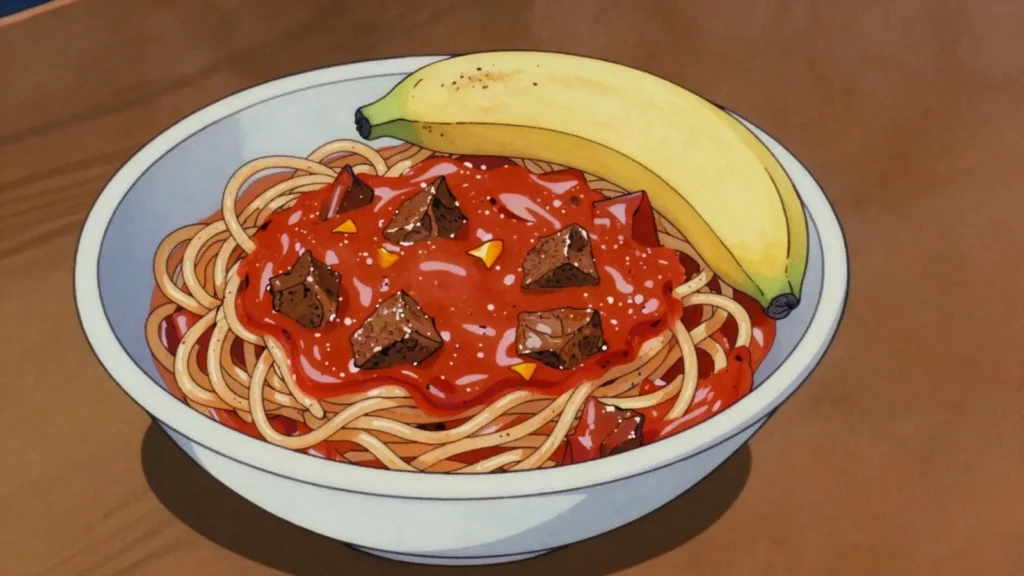
- over spaghetti
- with a banana alongside
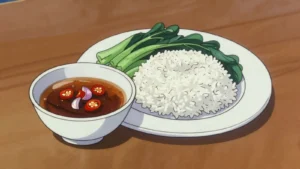
- and basbaas, chilli sauce
- at lunch
Directions
- Take real time to cut them evenly. The sauce should be thick rather than watery. Keep raw and cooked meat well apart. Cut the meat into small even cubes. Trim off any large pieces of gristle first. Cut it into strips and then into cubes. Aim for about one centimetre each way. Keep them as even as you reasonably can. Put the meat in the freezer for twenty minutes.
- Season the cubes with salt and black pepper. Toss them so every piece is seasoned. Let them sit for a few minutes. Brown the meat cubes in hot oil. Get the oil genuinely hot before they go in. Add them in a single layer if you can. Do not crowd the pan at all here. Work in two or three batches rather than one.
- Let each batch brown before turning them. Give each batch about four minutes. Lift the browned meat out and set it aside. Keep any juices from the plate. Cook the onion in the same pan until soft. Give it about ten minutes over a moderate heat.
- Stir so that residue comes away entirely. Add the sweet pepper with the onion. Add the crushed garlic and grated ginger. Garlic burns and turns bitter within a minute. Stir them constantly so they do not catch. Add the xawaash, cumin and turmeric. Fry them briefly in the hot oil first.
- Heat releases the aromatic oils in the blend. Give them about thirty seconds while stirring. Add the tomato purée and cook it briefly. Fry the purée for about two minutes. Stir them through the spiced base.
- Cook the tomatoes down until thick and dark. Give them about fifteen minutes over moderate heat. Oil rising from a tomato base is a good sign. Do not rush past that stage at all. Put the browned meat back into the sauce. Add any juices from the plate as well. Stir it through the thickened tomato. Bring it up to a gentle simmer.
- Simmer the sauce gently for about twenty-five minutes. Small cubes do not need hours. Take the lid off if it stays too thin. Add water if it goes too thick. It should coat the back of a spoon. Season the sauce with salt near the end. Taste it carefully before adding any. It should be clearly savoury and well spiced. Add more xawaash if it tastes flat. Stir chopped coriander in off the heat.
- Add it right at the end rather than earlier. Boil the spaghetti in well salted water. Salt the water generously before it goes in. Cook the pasta until it is just tender. It is cooked through and soft rather than firm.
- Pile the pasta onto plates and ladle sauce over. Every strand should be well coated. Put a whole banana on each plate. Lay it beside the pasta on the same plate. Put basbaas on the table alongside. Basbaas is genuinely fiercely hot. Cook the pasta fresh each time you serve.
Technique
- Use the savoury xawaash blend, not the sweet one used for tea and sweets — that one is heavier on cinnamon and ginger and gives a strange sauce. A full tablespoon is a real amount and is the defining flavour here; Somali cooks often use more, so do not be shy with it.
- Fry the spice blend only about thirty seconds in the hot oil before liquid goes in, stirring constantly — burnt spice turns acrid and cannot be recovered.
- Cut the meat into even one-centimetre cubes, which is what suqaar actually means; larger chunks make a different dish. Twenty minutes in the freezer makes the meat hold its shape under the knife and the cubes far easier to cut evenly.
Substitutions
- Lamb or goat replaces beef directly. Ghee replaces the oil.
- Basbaas, the fiercely hot Somali green chilli sauce of chilli, coriander, garlic and lime, goes on the table for each eater rather than into the pot.
Variations
- Pasta reached Somalia through Italian colonial rule from the late nineteenth century into the 1960s — an occupation involving forced labour and land seizure, which the atlas records plainly rather than softening. The dish was then rebuilt entirely around Somali flavours: xawaash rather than herbs, cubed rather than minced meat, and a banana alongside. That transformation is genuine and complete, and this is a Somali dish rather than an Italian one.
- A whole banana is served on the plate and eaten alongside the pasta, with bites alternating between the two — genuinely standard in Somalia rather than a garnish or a dessert. Its sweetness balances the spiced sauce and cools the chilli.
- Brown the meat in batches without crowding, then lift it out and return it later, since leaving it in overcooks it. Cook the tomatoes down about fifteen minutes until the oil separates and rises, which shows the water has cooked out. The pasta is cooked soft rather than al dente, which is genuinely how it is served.
History
Italian colonial pasta was rebuilt around xawaash spice and cubed meat, producing a sauce eaten daily in Mogadishu.
Frequently asked questions
What is Suugo suqaar?
Suugo suqaar is a sauce & condiment from Somalia: spiced tomato sauce with diced meat, ladled over Somali spaghetti. Italian colonial pasta was rebuilt around xawaash spice and cubed meat, producing a sauce eaten daily in Mogadishu.
How long does Suugo suqaar take to make?
Suugo suqaar takes 25 minutes of preparation and 50 minutes of cooking. The recipe makes serves 6. It is rated easy to make.
What can I substitute in Suugo suqaar?
Yes, within limits. Lamb or goat replaces beef directly. Ghee replaces the oil. Basbaas, the fiercely hot Somali green chilli sauce of chilli, coriander, garlic and lime, goes on the table for each eater rather than into the pot.
What is the most important thing to get right in Suugo suqaar?
Take real time to cut them evenly. The sauce should be thick rather than watery. Keep raw and cooked meat well apart. Cut the meat into small even cubes. Trim off any large pieces of gristle first. Cut it into strips and then into cubes. Aim for about one centimetre each way. Keep them as even as you reasonably can. Put the meat in the freezer for twenty minutes.