
Ingredients
The clams
- 1.5 kgtec-tec clams
- wedge clams, live
- purged in salted water
- or small clams or cockles
The base
- 1onion, finely chopped
- 6garlic cloves, crushed
- 2 sprigsfresh thyme
- 1bay leaf
- 3 tablespoonsbutter
- or oil
- 1green chilli, whole
- optional
The broth
- 1 litrewater
- or light fish stock
- the strained clam liquor
- 100 mlcoconut milk
- or single cream
- salt and black pepper
To finish
- chopped parsley
- or coriander
- a squeeze of lime
- crusty bread
- or plain rice
Directions
- Use salted water rather than fresh water. Dead clams do not purge at all. Discard any that are open and stay open. One that does not close is dead and must go. Discard any with cracked or broken shells too. Clams that stay shut after cooking should be discarded.
- Discard them rather than prising them open. Never gather shellfish from unmonitored water. Keep live clams cold but never sealed airtight. They need air to stay alive in storage. Cover them with a damp cloth in the refrigerator. Never store them submerged in fresh water.
- Taste the broth before adding any salt. It may well need none at all here. Put the live clams in a bowl of salted water. Make the water about as salty as the sea. About thirty grams of salt per litre works.
- Cover the clams completely with that water. Leave them for at least three hours. Use a wide bowl rather than a deep one. Set the clams on a rack above the base if you can. They do not simply re-filter the same sand. Lift the clams out rather than pouring them. Three hours is a reasonable minimum for purging.
- Keep them cold if purging for a long time. Warm water encourages them to die. Rinse the purged clams under cold water. Rub them against each other as you rinse. Rinse through several changes of water.
- Discard any clam that is open and will not close. Discard any with broken shells as well. Steam the clams in a covered pot until they open. Add a splash of water to the bottom of the pot. Cover it tightly and set it over a high heat. Shake the pot occasionally as they steam. They open within three or four minutes. Take them off as soon as most have opened. A minute too long makes a real difference.
- Strain the clam liquor through muslin cloth. Set a sieve lined with muslin over a bowl. Pour the liquor through it slowly. Pour it slowly and stop before the very bottom. Leave that final spoonful behind entirely. Strain it twice if the clams were very sandy.
- Use fresh muslin for the second straining. Take the extra minute to be sure. Pick the clam meat out of most of the shells. It takes real patience with a small spoon.
- Keep some in the shell for the look of it. Discard the empty shells as you go. Melt the butter and cook the onion gently. Give it about eight minutes until soft. Add the garlic, thyme and bay leaf. Garlic burns and turns bitter within a minute. Add the whole chilli at the same time. Pour in the strained liquor and the water.
- Bring it up to a gentle simmer. Do not boil it hard at any point. Simmer the broth for about fifteen minutes. Taste it as it simmers to judge the salt. Remove the chilli before it splits open. Stir the coconut milk or cream into the broth.
- Add it near the end rather than at the start. It should enrich rather than dominate the soup. Keep it at a bare simmer from that point. Warm it through rather than cooking it further. Add the shelled clam meat back to the broth. Add them right at the very end. They are already cooked and only need warming.
- Taste the soup carefully before adding salt. It may well need no salt at all. Add black pepper generously regardless. Taste again after every adjustment. Squeeze a little lime juice in off the heat.
- Add it gradually and taste as you go. Do not overwhelm the delicate clam flavour. Ladle the soup into warm bowls immediately. Serve it as soon as the clams go back in. They toughen if they sit in hot broth. Divide the clam meat evenly between bowls.
- Scatter chopped parsley or coriander over. Add it at the last moment before serving. Serve crusty bread or plain rice alongside. The broth is too good to leave in the bowl.
Technique
- Clams must be alive when cooked. Tap any open one on the counter — a live clam closes within a few seconds, and one that stays open is dead and must be discarded, as must any with cracked shells. Clams that stay shut after cooking should also be discarded rather than prised open. Buy from a reputable supplier and never gather shellfish from unmonitored water, since filter feeders concentrate whatever is in it.
- These clams live buried in sand and carry a great deal of it. Purge them at least three hours, or overnight, in water about as salty as the sea — roughly thirty grams per litre — since fresh water kills them and dead clams do not purge. Set them on a rack above the bowl base so expelled sand settles below, change the water once or twice by lifting them out rather than pouring, and keep them cold throughout.
- Purging reduces the sand rather than removing it all, so straining the liquor through muslin is genuinely essential rather than fussy. Pour it slowly and leave the last spoonful behind, where the sand settles, and strain twice through fresh muslin if the clams were very sandy.
Substitutions
- Small clams or cockles replace tec-tec, which are wedge clams of the genus Donax, thumbnail sized and dug by hand from the tide line as families sieve the wet sand. The name comes from the clicking sound they make together in a bucket.
- Single cream replaces coconut milk and both are genuinely used in the islands, though coconut suits Seychellois cooking better. Some cooks leave all the clams in the shell and eat the soup with the fingers, which is genuinely done; the atlas gives the shelled version.
Variations
- Steam the clams only three or four minutes until most have opened and take them off at once — these are tiny and cook extremely fast, and a minute too long turns them rubbery. Return the shelled meat to the broth for about one minute at the very end, since it is already cooked and only needs warming.
- Keep live clams cold but never sealed airtight or submerged in fresh water — they need air. Cover them with a damp cloth in the refrigerator.
- The clam liquor is the heart of the soup and carries enormous flavour and natural salt, so never throw any away and taste before adding salt — it may need none at all. Do not boil the soup once coconut milk or cream is in, since both can split.
History
The tec-tec clams are dug from Seychelles beaches at low tide, and the soup is a Sunday family dish.
Frequently asked questions
What is Soup tektek?
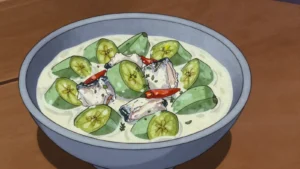
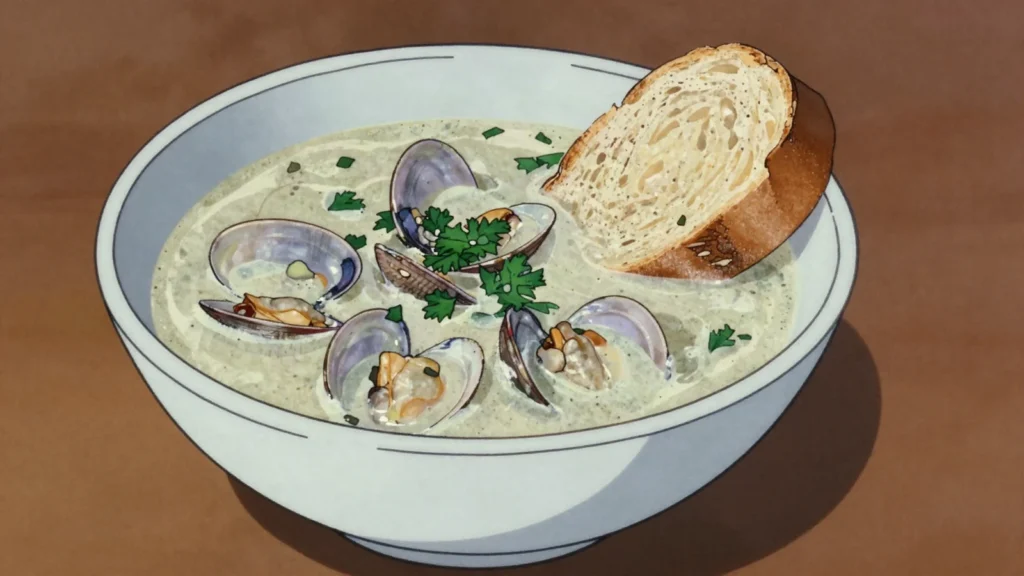
Soup tektek is a soup & stew from Seychelles: broth of tiny wedge clams with garlic, thyme and a little cream. The tec-tec clams are dug from Seychelles beaches at low tide, and the soup is a Sunday family dish.
How long does Soup tektek take to make?
Soup tektek takes 20 minutes plus purging of preparation and 30 minutes of cooking. The recipe makes serves 4. It is rated medium to make.
What can I substitute in Soup tektek?
Yes, within limits. Small clams or cockles replace tec-tec, which are wedge clams of the genus Donax, thumbnail sized and dug by hand from the tide line as families sieve the wet sand. The name comes from the clicking sound they make together in a bucket. Single cream replaces coconut milk and both are genuinely used in the islands, though coconut suits Seychellois cooking better. Some cooks leave all the clams in the shell and eat the soup with the fingers, which is genuinely done; the atlas gives the shelled version.
What is the most important thing to get right in Soup tektek?
Use salted water rather than fresh water. Dead clams do not purge at all. Discard any that are open and stay open. One that does not close is dead and must go. Discard any with cracked or broken shells too. Clams that stay shut after cooking should be discarded.