
Ingredients
The tripe
- 1.2 kgbeef tripe
- cleaned
- juice of 3 lemons
- coarse salt, to scrub
- 2bay leaves
- for the first boil
The sauce
- 2onions, chopped
- 6garlic cloves, crushed
- 3yellow aji chillies
- aji amarillo, deseeded
- or 2 tablespoons aji paste
- 400 gtomatoes, chopped
- 2 teaspoonsground cumin
- 1 teaspoondried oregano
- 3 tablespoonsoil
The rest
- 800 gpotatoes
- peeled and quartered
- about 1 litre of the tripe stock
- salt and black pepper
To serve
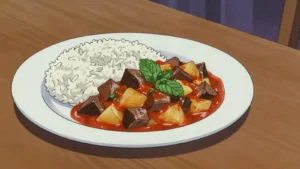
- white rice
- chopped parsley
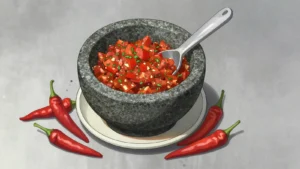
- llajua or hot sauce
Directions
- Salt and acid both reduce that greatly. It should have a slight pleasant chew. Wash with soap and plenty of water. Rinse the tripe under running cold water.
- Rinse both of the sides thoroughly. Look for anything that should not be there. Trim away any hard or fatty parts. Rub it hard with plenty of coarse salt. Squeeze lemon juice over it as well. Give it several full hard minutes. Rinse it very thoroughly after scrubbing. All of the salt must come off.
- Rinse it through several changes of water. It should smell clean afterwards. Cover the tripe with cold water. Add the bay leaves to the pot. Bring the whole pot up to a boil. Let it boil for about fifteen minutes. Discard all of that first water. Rinse the drained tripe once again. Start the stew with fresh water. Cover the tripe with fresh cold water. Bring the pot up to a bare simmer.
- Keep it at the barest simmer only. It should barely bubble at the surface. Let it simmer for at least two hours. Test a piece after two full hours. Keep that cooking liquid entirely. Do not throw any of that away. Lift the tripe out and let it cool.
- Cut it into strips or squares. About two centimetres is a good size. Cut it while it is still warm. Heat the oil in a heavy deep pot. Add all the chopped onion to it. Cook it for about ten full minutes. The onion should soften and turn golden. Add the crushed garlic to the pot. Give it about one full minute.
- Add the chopped aji to the pot. Cook it for about three minutes. Add the cumin and the oregano. Heat releases their aromatic oils. Give them about thirty seconds only. Stir them constantly so they do not burn. Add the chopped tomatoes to the pot. Cook them down for about five minutes. Add the cut tripe to the sauce.
- Pour in the reserved tripe stock. It should cover the tripe generously. Add more stock later if it dries. A thick stew is what is wanted. Let it simmer for about twenty minutes. The tripe takes up the sauce flavour.
- Add the quartered potatoes to the pot. They take about twenty-five minutes. Crush one or two against the side. Taste it and then adjust the salt. Taste before adding much more salt. Add plenty of black pepper to it. Add more aji chilli for more heat. Judging it takes a careful check.
- Cook it down further if it is thin. Serving it is always done hot. Ladle it over plain white rice. Scatter chopped parsley over the top. It soaks up all the thick sauce.
Technique
- Tripe needs both thorough cleaning and long cooking. Scrub it hard with coarse salt and lemon juice for several minutes, rinse through several changes of water until all the salt is gone, then boil it fifteen minutes and discard that water entirely — it carries the strong smell along with scum and impurities. All three steps work together and none is optional.
- Simmer the tripe at the barest bubble for at least two hours and often three: a hard boil toughens it, undercooked tripe is genuinely rubbery, and there is no shortcut. Test it after two hours and give it another hour if it resists. Keep the cooking liquid, which becomes the base of the stew and carries real body.
- Capsaicin from the ají transfers readily to hands and then to eyes and skin, and is oil soluble rather than water soluble so water alone does not remove it — wear gloves, wash with soap and plenty of water, or rub oil on first.
Substitutions
- Ají amarillo paste sold in jars is the practical route outside the Andes; a yellow habanero is nearer in flavour but considerably hotter.
- Crushing one or two of the cooked potatoes against the side of the pot thickens the stew noticeably, and no flour or starch is needed at all.
Variations
- Add the potatoes only for the last twenty-five minutes, so they are tender but still hold together — some collapse is welcome for thickening but overcooked ones disappear entirely into the sauce.
- Cut the boiled tripe while it is still warm, when it is far easier to handle, into even two-centimetre pieces that cook and eat evenly.
- It is eaten the morning after fiestas as a restorative, a real and widespread habit that the atlas records as the custom it is — no claim is made that it cures anything.
History
A Cochabamba valley dish eaten as a restorative the morning after fiestas.
Frequently asked questions
What is Ranga ranga?
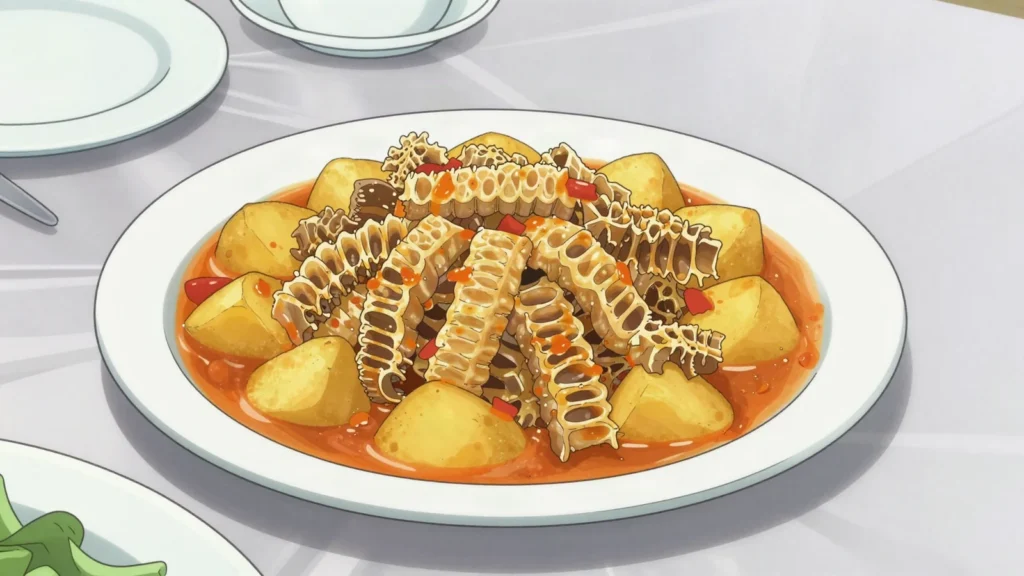
Ranga ranga is a main from Bolivia: beef tripe stewed with potato, tomato and yellow aji. A Cochabamba valley dish eaten as a restorative the morning after fiestas.
How long does Ranga ranga take to make?
Ranga ranga takes 40 minutes of preparation and 3 hours of cooking. The recipe makes serves 6. It is rated medium to make.
What can I substitute in Ranga ranga?
Yes, within limits. Ají amarillo paste sold in jars is the practical route outside the Andes; a yellow habanero is nearer in flavour but considerably hotter. Crushing one or two of the cooked potatoes against the side of the pot thickens the stew noticeably, and no flour or starch is needed at all.
What is the most important thing to get right in Ranga ranga?
Rinse both of the sides thoroughly. Look for anything that should not be there. Trim away any hard or fatty parts. Rub it hard with plenty of coarse salt. Squeeze lemon juice over it as well. Give it several full hard minutes. Rinse it very thoroughly after scrubbing. All of the salt must come off.