
Ingredients
Peanuts
- 400 graw shelled peanuts, or 350 g smooth unsweetened peanut butter
Meat
- 700 gbeef or goat, cubed
- 200 gsmoked fish, flaked and boned
- 1stock cube
Base
- 3tomatoes, chopped
- 2onions, chopped
- 4 clovesgarlic
- 2cm ginger
- 2habanero or country peppers
- 2 tbsptomato purée
- 3 tbspoil
Greens
- 300 gpotato greens, cassava leaves or spinach, shredded
Also
- 1.5 litreswater or stock
- salt
- black pepper
To serve
- white rice
Directions
- Grind them as fine as your machine will manage, because grittiness shows in the finished soup. Use unsweetened natural peanut butter if buying it, and check the label. Season and brown the meat hard in the oil, in batches, then set it aside.
- Blend the onions, tomatoes, garlic, ginger and peppers into a coarse paste. Fry the blended base with the tomato purée for 10 minutes until it darkens and the oil separates. Wait for the oil to rise and separate, which is the sign the base is properly cooked rather than raw.
- Return the meat, add the water and stock cube, and simmer 45 minutes until nearly tender. Slake the peanut paste with a couple of ladles of the hot broth in a separate bowl, whisking until completely smooth.
- Stir the loosened paste into the pot and bring it back to a gentle simmer. Now simmer it uncovered for 30 to 40 minutes, stirring often. Stir it regularly and scrape the base.
- Keep it at a gentle simmer rather than a boil, which helps stop it splitting. The soup is ready when the oil rises and separates into a clear layer on the surface. Skim some of the oil off if you want, though many households leave it.
- Add the smoked fish and the shredded greens and cook a further 10 minutes. If using cassava leaves, they must be boiled thoroughly in plenty of water first and that water discarded, because like the root they carry cyanogenic compounds.
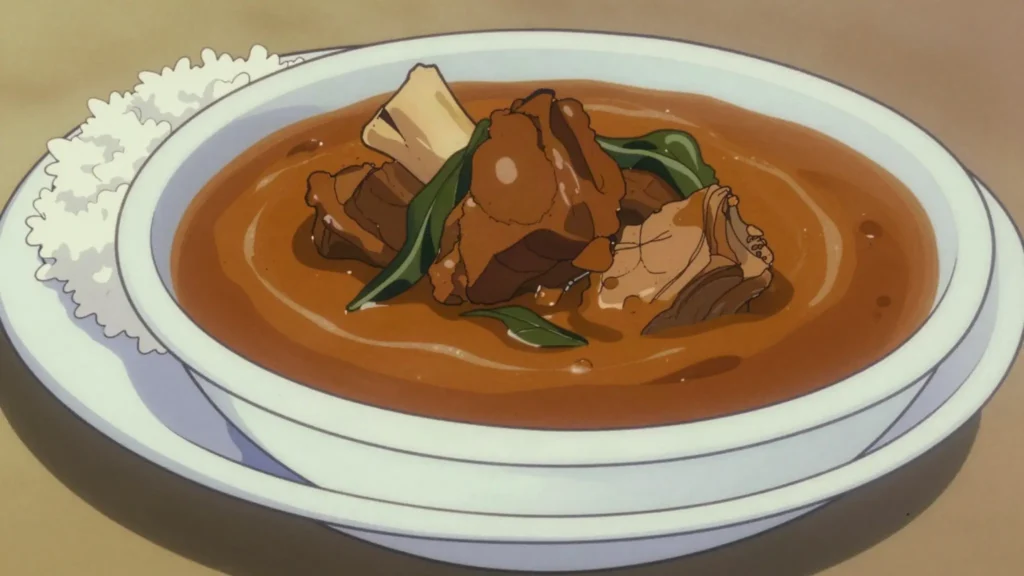
- Season with salt and black pepper and taste. It should be thick enough to coat a spoon, rich, nutty and clearly hot. Serve over white rice, which is the fixed Liberian pairing.
Technique
- It thickens considerably overnight and is loosened with hot water or stock.
- Chicken, dried fish and crab are all used in place of or alongside beef.
- The heat level in Liberia is generally high, and it is adjusted rather than reduced by habit.
Substitutions
- Smooth natural peanut butter with no added sugar.
- Spinach or kale in place of potato greens.
Variations
- Made with chicken.
- With dried fish and crab as well as meat.
- Vegetarian, with mushrooms and greens only.
History
A Liberian staple soup shared with much of West Africa, thickened by nothing but ground peanuts.
Frequently asked questions
What is Peanut soup?
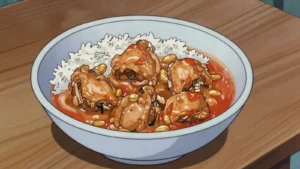
Peanut soup is a soup & stew from Liberia: groundnut paste simmered with meat, chilli and greens, eaten over rice. A Liberian staple soup shared with much of West Africa, thickened by nothing but ground peanuts.
How long does Peanut soup take to make?
Peanut soup takes 30 min of preparation and 1 hr 30 min of cooking. The recipe makes 6 servings. It is rated easy to make.
What can I substitute in Peanut soup?
Yes, within limits. Smooth natural peanut butter with no added sugar. Spinach or kale in place of potato greens.
What is the most important thing to get right in Peanut soup?
Blend the onions, tomatoes, garlic, ginger and peppers into a coarse paste. Fry the blended base with the tomato purée for 10 minutes until it darkens and the oil separates. Wait for the oil to rise and separate, which is the sign the base is properly cooked rather than raw.