
Ingredients
Meat
- 500 gminced pork
- 500 gminced beef
Binder
- 3 slicesstale white bread, crusts removed
- 150 mlmilk
Aromatics
- 2onions, very finely chopped
- 3 clovesgarlic
- 1large bunch dill, chopped
- 1 bunchparsley, chopped
- 1potato, grated raw, optional
Also
- 2eggs
- 2 tspsalt
- 1 tspblack pepper
- 1 tspdried thyme
- ½ tsppaprika
To coat and fry
- plain flour, or fine breadcrumbs
- oil, for frying
To serve
- mămăligă
- mashed potato
- mujdei
- pickles
Directions
- Soak the stale bread in the milk for 10 minutes, then squeeze out most of the liquid. It holds moisture through the frying and it is why a good pârjoală is soft rather than dense. Squeeze it out but leave it damp, and crumble it into the meat. Fry the chopped onion gently in a little oil for 8 minutes until soft, then cool it.
- Cook the onion first rather than adding it raw. Cooling it before it meets the meat matters too, because warm onion starts to set the egg. Mix the two minces with the bread, cooled onion, garlic, eggs, herbs and all the seasoning.
- Grate in the raw potato if using, which some households swear by for tenderness. Now knead the mixture hard with your hands for 5 minutes. Work it properly. Fry a small spoonful and taste it before shaping anything. Tasting a test piece is the only way to season raw mince and it takes two minutes.
- Chill the mixture 30 minutes, which firms it and makes shaping much easier. With wet hands, take a handful and shape it into a flat oval about 1.5 cm thick.
- Flatten them properly. A thick pârjoală browns outside before the middle cooks, and the flat shape is traditional and functional. Coat each patty in flour or fine breadcrumbs, shaking off the excess. Heat a generous depth of oil in a heavy pan over a medium heat.
- Fry them 4 to 5 minutes a side until deep brown and crusted. Do not crowd the pan and do not press them down with the spatula, which squeezes the juices out. Drain on a rack rather than paper.
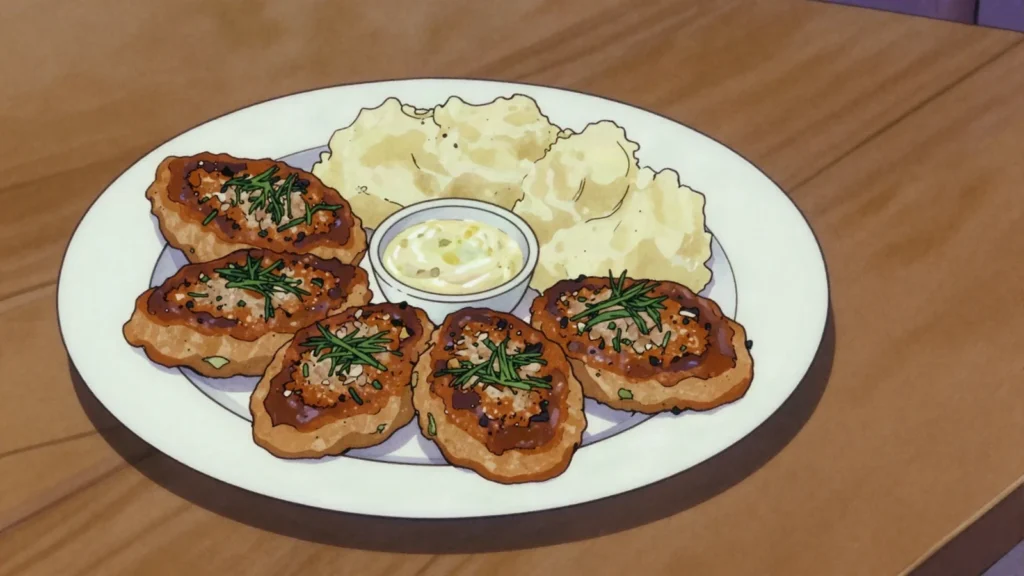
- Serve hot with mămăligă or mashed potato and a bowl of mujdei, the raw garlic sauce. They are just as good cold the next day, eaten with bread and mustard, and Moldovan households make them in large batches for exactly that.
Technique
- The mixture keeps a day in the fridge and the flavour improves.
- They freeze well cooked and reheat in a low oven.
- Some households add a little soda water to the mixture for lightness.
Substitutions
- Any minced meat, or all beef, or lamb.
- Breadcrumbs soaked in milk in place of stale bread.
Variations
- Made with mushrooms for a Lenten version.
- Chiftele, the round version in tomato sauce.
- With grated courgette worked through.
History
Moldovan minced-meat patties bulked with soaked bread and dill, served with mămăligă or mashed potato.
Frequently asked questions
What is Pârjoale?
Pârjoale is a main from Moldova: flattened, herbed minced-meat patties fried until dark. Moldovan minced-meat patties bulked with soaked bread and dill, served with mămăligă or mashed potato.
How long does Pârjoale take to make?
Pârjoale takes 30 min plus 30 min chilling of preparation and 25 min of cooking. The recipe makes about 16 patties. It is rated easy to make.
What can I substitute in Pârjoale?
Yes, within limits. Any minced meat, or all beef, or lamb. Breadcrumbs soaked in milk in place of stale bread.
What is the most important thing to get right in Pârjoale?
Soak the stale bread in the milk for 10 minutes, then squeeze out most of the liquid. It holds moisture through the frying and it is why a good pârjoală is soft rather than dense. Squeeze it out but leave it damp, and crumble it into the meat. Fry the chopped onion gently in a little oil for 8 minutes until soft, then cool it.