Ingredients
Mămăligă
- 300 gcoarse yellow cornmeal (mălai)
- 1.2 litreswater
- 2 tspsalt
- 40 gbutter (optional)
To serve
- 200 gbrânză de burduf or another salty sheep’s cheese, grated
- 200 mlsmântână (thick soured cream)
- 4eggs, fried in butter (optional)
Directions
- Bring the water and salt to a rolling boil in a ceaun, the round-bottomed cast-iron pot, or the heaviest pan you own. This old habit settles the water and stops the first lumps forming.
- Cook 25–30 minutes, stirring every couple of minutes and scraping the base and the sides. It spits like lava, so keep your hand high and out of the pot.
- Beat in the butter now if using.
- Turn it out onto a wooden board in a single dome and let it stand 2 minutes to set, then cut it with a length of cotton thread pulled through, never a knife, which drags and tears.
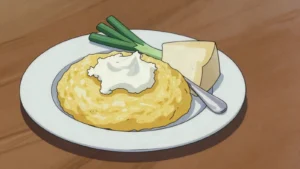
- Serve in wedges with grated cheese and cold soured cream, or with a fried egg slid on top.
Technique
- Maize replaced millet in Romanian villages in the 17th and 18th centuries and mămăligă became the daily bread of the poor. Older Romanians find it funny that it now appears on restaurant menus at restaurant prices.
- Coarse mălai is essential. Fine cornmeal gives a pasty, gluey result and instant polenta is a different food altogether.
- The ratio decides the dish: roughly 1 part cornmeal to 4 parts water gives a firm mămăligă you can cut with thread, 1 to 5 a soft, spoonable one for eating with milk.
- It must be stirred, not left. Cornmeal settles and scorches on the base within a minute of neglect.
Substitutions
- No mălai: coarse-ground polenta (bramata), cooked exactly the same way.
- No brânză de burduf: telemea is the Romanian everyday choice, or feta mashed with a little butter for a similar salty tang.
Variations
- Bulz: leftover mămăligă wrapped around a lump of cheese, rolled into balls and baked or grilled over embers until the crust cracks open.
- Mămăligă în cuib, served with a well pressed into the middle and filled with soured cream and cheese.
- Cut into slabs and fried in butter the next morning, or eaten cold with milk poured over.
History
Maize porridge that became the peasant staple of Moldova and Romania after maize spread in the seventeenth and eighteenth centuries.
Frequently asked questions
What is Mămăligă?
Mămăligă is a salad & side from Moldova: cornmeal porridge with sheep cheese, sour cream, pork cracklings. Maize porridge that became the peasant staple of Moldova and Romania after maize spread in the seventeenth and eighteenth centuries.
How long does Mămăligă take to make?
Mămăligă takes 5 min of preparation and 30 min of cooking. The recipe makes 4–6 servings. It is rated easy to make.
What can I substitute in Mămăligă?
Yes, within limits. No mălai: coarse-ground polenta (bramata), cooked exactly the same way. No brânză de burduf: telemea is the Romanian everyday choice, or feta mashed with a little butter for a similar salty tang.
What is the most important thing to get right in Mămăligă?
Turn it out onto a wooden board in a single dome and let it stand 2 minutes to set, then cut it with a length of cotton thread pulled through, never a knife, which drags and tears.