
Ingredients
The octopus
- 1 kgoctopus
- cleaned, fresh or frozen
- frozen is often better
For the first cooking
- water, to cover
- 1onion, halved
- 2bay leaves
- a few peppercorns
The base
- 3 tablespoonsoil
- or coconut oil
- 2onions, finely chopped
- 6 clovesgarlic, crushed
- a thumb of ginger, grated
- 2tomatoes, chopped
- or 1 tablespoon tomato purée
- 1 teaspoonground cumin
- 1 teaspoonground coriander
- half a teaspoon turmeric
- half a teaspoon garam masala
- or Zanzibari curry powder
- 1green chilli, slit
- or to taste
- a curry leaf sprig, optional
The coconut
- 400 mlthin coconut milk
- 200 mlthick coconut milk
- for the finish
- or 1 tin coconut milk, separated
To finish
- juice of 1 lime
- salt and black pepper
- a handful of coriander, chopped
To serve
- wali wa nazi, coconut rice
- or plain rice
- chapati
- kachumbari salad
- lime wedges
Directions
- Turn the head inside out. Pull out the innards and discard them. Cut out the eyes. Rinse everything thoroughly. Put the octopus in a pot with water to cover. Add the onion, bay and peppercorns.
- Bring it to a bare simmer. Do not boil it hard. Salt it later in the curry instead. Simmer it for forty-five minutes to an hour. Larger octopus takes longer.
- Let the octopus cool in its liquid. That keeps it moist. Cut the tentacles into pieces of about three centimetres. Cut the head into similar pieces. Keep some of the cooking liquid. Heat the oil in a heavy pot. Add the chopped onions.
- Cook them for about ten minutes until soft. Add the garlic and ginger. Cook them for two minutes. Add the ground spices. Add the curry leaves if you have them.
- Fry them briefly. Cook it down for about eight minutes. Add the cut pieces and the chilli. Add the thin coconut milk. Add a little of the cooking liquid if needed. Simmer it gently for twenty minutes. Never let it boil hard.
- Keep it at a bare simmer throughout. Add it in the last five minutes. Simmer it very gently. Thick coconut cream splits most readily. Spoon the cream off the top. Use the thin liquid first and the cream at the end.
- Season with salt and pepper. Taste it carefully. Add the lime juice at the end. The sauce should coat the octopus. Reduce it uncovered if it is loose. This dish is mild rather than hot. Serve it with rice. Cook rice in coconut milk thinned with water. Add a pinch of salt. Ask about the source where you buy it.
Technique
- Octopus is either tender or rubber, with very little in between. Its collagen needs either two or three minutes over fierce heat or forty-five minutes to an hour and a half of gentle simmering — the middle range is where the rubber lives. This dish uses the long route.
- Simmer the first cooking gently and never boil it hard, which toughens the surface. Test after forty-five minutes by pushing a knife tip into the thickest part of a tentacle: it should slide in with only slight resistance, and if it fights back, keep going.
- Frozen octopus is often better than fresh. Freezing ruptures the muscle fibres and begins the tenderising, which genuinely shortens the cooking — the same job fishermen do by beating it against rocks.
- Let the octopus cool in its cooking liquid, which keeps it moist, and keep some of that liquid for the sauce.
- Do not salt the first cooking heavily. The liquid concentrates as it reduces; salt it in the curry instead.
- Never let coconut milk boil hard. It splits into grainy oil and will not come back.
- Use the thin coconut milk for the simmer and add the thick cream only in the last five minutes. Cream splits most readily — do not shake the tin, and spoon the cream off the top to get both stages from one.
- The lime at the end is necessary rather than optional. It cuts a coconut-heavy sauce that sits heavy without it.
- A cork added to the pot is traditionally said to tenderise octopus. There is no evidence it does anything, and the atlas records the practice without endorsing it.
- Push the hard beak out from the centre where the arms meet, and cut out the eyes, if the octopus has not been cleaned. The skin loosens as it cooks and is edible either way.
- This is mild rather than hot. Swahili coastal food is aromatic more than fiery, and the chilli is there for fragrance.
- Octopus is a mollusc, and molluscs and crustaceans are separate allergens — some people react to one and not the other. Say plainly what is in the dish.
- Octopus fisheries vary in management, and Zanzibar’s community-managed temporary closures have documented benefits. Ask about the source where you buy it.
Substitutions
- Squid replaces octopus but needs the short window instead — three minutes, added at the very end.
- Prawns or firm white fish make the same curry, added in the last five minutes.
- Garam masala replaces Zanzibari curry powder.
- Water replaces the thin coconut milk, with the thick cream still added at the end.
- Coconut oil replaces vegetable oil and suits the dish.
- Tomato purée replaces fresh tomatoes out of season.
Variations
- Pweza wa nazi is a simpler coconut octopus dish without the curry spices.
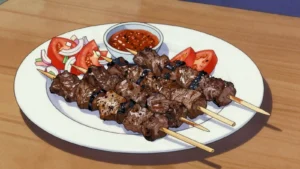
- Octopus grilled over charcoal and served with lime is the other Zanzibari treatment.
- Mchuzi wa samaki is the fish version of the same curry.
- Maharage ya nazi uses the same coconut base with kidney beans.
- Wali wa nazi, coconut rice, is the classic partner and uses the same milk.
- Urojo, the Zanzibar mix soup, is the island’s best-known street dish.
History
Octopus, slow-cooked in a rich curry sauce built from coconut milk, tomato and warming spices, documented across Tanzania, particularly the Zanzibar archipelago, reflecting the coastal region’s significant seafood tradition combined with spice and cooking influence carried across the Indian Ocean through many centuries of trade with Persia, Arabia and India. Its coconut milk-based curry sauce reflects the broader Swahili coastal culinary tradition shared across East Africa’s Indian Ocean coastline, distinguishing this regional cuisine clearly from the cuisine of Tanzania’s inland regions. Mchuzi wa pweza remains a beloved traditional dish specifically associated with Zanzibar and Tanzania’s Swahili coastal cuisine.
Frequently asked questions
What is Mchuzi wa pweza?
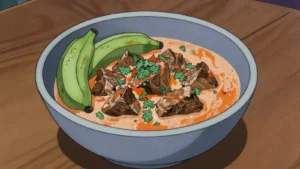
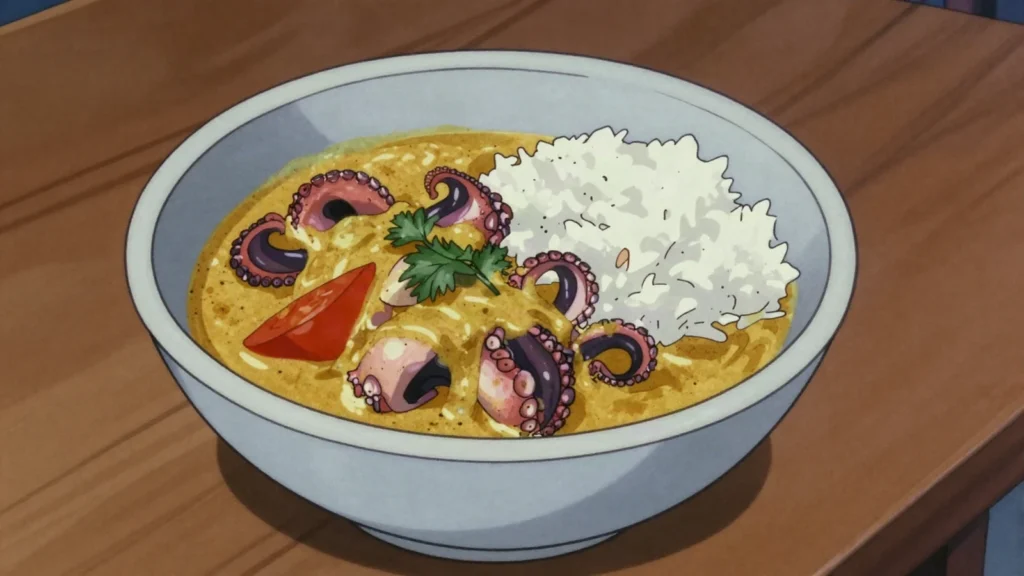
Mchuzi wa pweza is a main from Tanzania: zanzibari octopus curry in creamy coconut milk. Octopus, slow-cooked in a rich curry sauce built from coconut milk, tomato and warming spices, documented across Tanzania, particularly the Zanzibar archipelago, reflecting the coastal region’s significant seafood tradition combined with spice and cooking influence carried across the Indian Ocean through many centuries of trade with Persia, Arabia and India. Its coconut milk-based curry sauce reflects the broader Swahili coastal culinary tradition shared across East Africa’s Indian Ocean coastline, distinguishing this regional cuisine clearly from the cuisine of Tanzania’s inland regions. Mchuzi wa pweza remains a beloved traditional dish specifically associated with Zanzibar and Tanzania’s Swahili coastal cuisine.
How long does Mchuzi wa pweza take to make?
Mchuzi wa pweza takes 20 minutes of preparation and 1 hour 15 minutes of cooking. The recipe makes serves 4. It is rated medium to make.
What can I substitute in Mchuzi wa pweza?
Yes, within limits. Squid replaces octopus but needs the short window instead — three minutes, added at the very end. Prawns or firm white fish make the same curry, added in the last five minutes. Garam masala replaces Zanzibari curry powder. Water replaces the thin coconut milk, with the thick cream still added at the end. Coconut oil replaces vegetable oil and suits the dish. Tomato purée replaces fresh tomatoes out of season.
What is the most important thing to get right in Mchuzi wa pweza?
Bring it to a bare simmer. Do not boil it hard. Salt it later in the curry instead. Simmer it for forty-five minutes to an hour. Larger octopus takes longer.