
Ingredients
Nshima
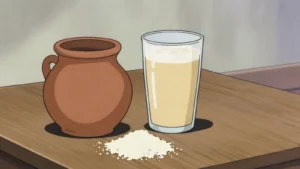
- 400 gfine white maize meal (mealie meal, breakfast or roller meal)
- 1.2 litreswater
To serve
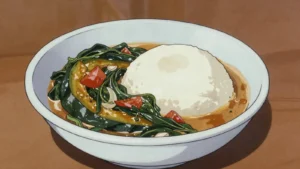
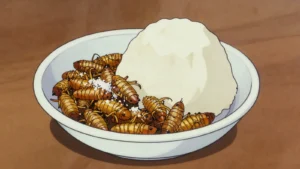
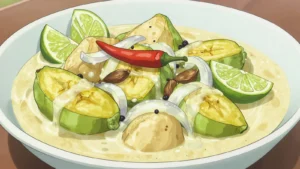
- ifisashi or another ndiwo relish
- a bowl of warm water for washing hands
Directions
- Bring 1 litre of the water to a rolling boil in a heavy-bottomed pot; a thin pan will scorch the porridge and the burnt taste goes right through it.
- Slake 120 g of the maize meal in the remaining 200 ml of cold water, stirring to a smooth lump-free slurry.
- Pour the slurry into the boiling water in a steady stream, whisking hard, and cook this thin porridge for 8 to 10 minutes, stirring often, until it thickens slightly and loses the raw maize smell. Zambians call this stage the ubwali starter and it is what stops lumps forming later.
- Now add the remaining maize meal a handful at a time, beating hard with a mwiko, the flat wooden paddle, after each addition.
- Keep working it over medium-low heat for 10 to 15 minutes. The mixture goes from batter to a stiff mass that pulls away from the sides of the pot in one lump and holds the mark of the paddle.
- Turn and fold it against the side of the pot for the last 3 minutes to cook out any pockets of dry meal; a well-made nshima is glossy, elastic and completely smooth, with no grit on the tongue.
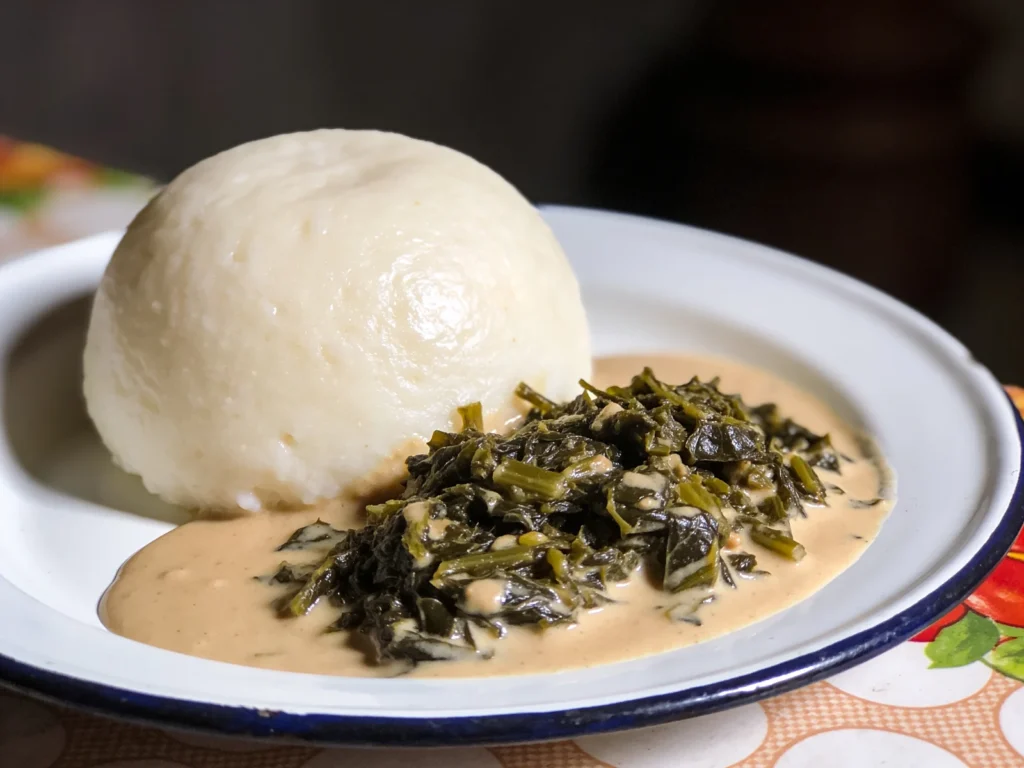
- Dip a serving spoon or a small bowl in cold water, scoop a fist-sized lump, and turn it onto each plate as a smooth dome.
- Serve immediately while hot and pliable, alongside the relish. Wash your right hand, pinch off a piece, roll it into a ball in your palm, press a dent in it with your thumb and use it to scoop.
Technique
- Two-stage cooking is the whole technique. Adding all the meal at once gives lumps and a raw core; the thin porridge first, stiffened second, is how it is done in every Zambian kitchen.
- The proportion is roughly one part meal to three parts water by volume, but Zambians go by look, not measurement: the paddle should stand up on its own in the finished pot.
- Nshima is not a side dish, it is the meal. The relishes beside it are called ndiwo and are there to flavour the maize, which is why they are salted more strongly than they would be alone.
- Cold nshima sets solid. Leftovers are sliced and fried, or crumbled into hot water as a breakfast porridge.
Substitutions
- Fine white maize meal is essential; coarse polenta or yellow cornmeal gives a gritty, sweet result that Zambians will tell you is not nshima. Cassava flour makes nshima ya tute, the northern version.
Variations
- Nshima ya masaka, made with sorghum or millet meal, is darker and earthier and common in the Southern Province.
- Sadza in Zimbabwe and ugali in East Africa are the same dish under other names, with small differences in stiffness.
History
A stiff maize-meal porridge, prepared by the same basic technique as sadza and ugali found across much of East and Southern Africa, stirring maize flour gradually into boiling water until it forms a thick, moldable mass, and eaten the same way, by hand, torn off and used to scoop up a relish or stew. Maize only became Zambia’s dominant staple after displacing older crops including sorghum, millet and cassava over the 1900s, a shift driven partly by colonial-era agricultural policy that favored maize cultivation for both food and cash-crop purposes. Nshima carries deep everyday and cultural significance in Zambia specifically, with the phrase for eating nshima commonly used more broadly in Zambian language to mean simply eating a proper meal, regardless of what is actually served alongside it.
Frequently asked questions
What is Nshima?
Nshima is a main from Zambia: thick maize porridge lumps eaten with ndiwo relishes. A stiff maize-meal porridge, prepared by the same basic technique as sadza and ugali found across much of East and Southern Africa, stirring maize flour gradually into boiling water until it forms a thick, moldable mass, and eaten the same way, by hand, torn off and used to scoop up a relish or stew. Maize only became Zambia’s dominant staple after displacing older crops including sorghum, millet and cassava over the 1900s, a shift driven partly by colonial-era agricultural policy that favored maize cultivation for both food and cash-crop purposes. Nshima carries deep everyday and cultural significance in Zambia specifically, with the phrase for eating nshima commonly used more broadly in Zambian language to mean simply eating a proper meal, regardless of what is actually served alongside it.
How long does Nshima take to make?
Nshima takes 5 min of preparation and 30 min of cooking. The recipe makes 4 servings. It is rated medium to make.
What can I substitute in Nshima?
Yes, within limits. Fine white maize meal is essential; coarse polenta or yellow cornmeal gives a gritty, sweet result that Zambians will tell you is not nshima. Cassava flour makes nshima ya tute, the northern version.
What is the most important thing to get right in Nshima?
Keep working it over medium-low heat for 10 to 15 minutes. The mixture goes from batter to a stiff mass that pulls away from the sides of the pot in one lump and holds the mark of the paddle.