
Ingredients
The fish
- 2 tinsmackerel in tomato sauce
- about 400 g total
- or 2 tins tuna, drained
- flaked roughly
The base
- 1large onion, sliced
- 3 clovesgarlic, chopped
- 2 tablespoonsoil
- or coconut oil
- 2tomatoes, chopped
- 1chilli, chopped
- or to taste
The greens
- 300 gaibika leaves
- slippery cabbage
- or 300 g cabbage, shredded
- or a handful of pumpkin tips
- or any available greens
The seasoning
- salt and black pepper
- 1stock cube, optional
- a squeeze of lime
- 150 mlcoconut milk, optional
To serve
- steamed white rice
- or boiled kaukau, sweet potato
- or boiled taro
- or boiled cassava
- or scones and bread
Directions
- Drain tuna in brine before using it. Check your own country’s advice if it applies. You pick leaves and the plant keeps growing.
- Heat the oil in a wide frying pan. Add the sliced onion with a pinch of salt. Cook it until soft and lightly golden. That takes about eight minutes. Add the garlic for the last two minutes.
- Add the chopped chilli at the same time. Add the chopped tomatoes to the pan. Cook them down until they collapse fully. That takes about five to eight minutes. Add a stock cube now if you are using one.
- Crush it into the pan and stir it through. Aibika needs about five minutes to soften. Add a splash of water so they steam. Cover the pan while they wilt down. Do not overcook them into grey mush.
- Tip in the mackerel with its tomato sauce. Break it up gently with a wooden spoon. Leave some larger flakes for texture.
- Heat it through for two or three minutes only. Long cooking makes it dry and stringy. Add the coconut milk now if you are using it. Simmer it briefly to warm it through. Do not boil coconut milk hard, since it splits.
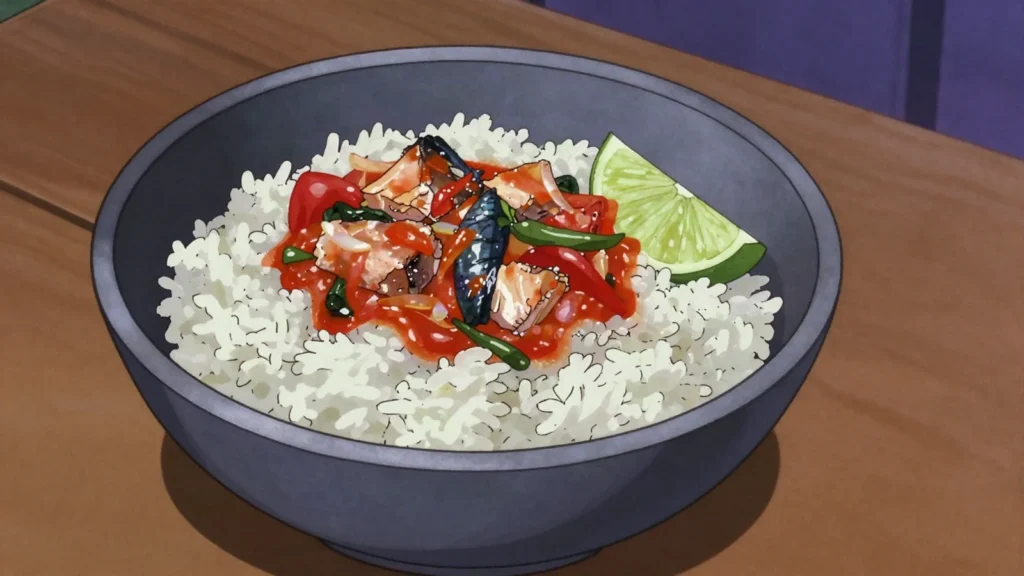
- Season with salt and plenty of black pepper. Taste before adding salt, since tins are salty. Squeeze over lime at the very end. Serve it hot over steamed white rice. The dish takes about twenty minutes total.
Technique
- Tinpis is Tok Pisin for tinned fish — tin plus pis. Tok Pisin is an English-based creole and one of Papua New Guinea’s official languages, and it exists because the country has over eight hundred languages, more than anywhere on earth. It grew out of plantation labour contact, which is not a romantic origin, and the atlas records that.
- Tinned fish took hold because it keeps without refrigeration, which matters enormously in a hot country where many villages have no reliable electricity. A tin sits on a shelf for years.
- The shift from garden staples — kaukau, taro, yam and greens with fresh fish and pig — towards imported rice, tinned meat and sugar is documented across the Pacific, along with rising rates of diabetes and heart disease. The atlas records that as public health fact and does not lecture anyone about their dinner. Both things are true: it is a real health shift, and this is real food that real people eat.
- Add the fish near the end. It is already cooked, and simmering it makes it dry and stringy.
- Aibika, or slippery cabbage, is a hibiscus relative rather than a cabbage, and its leaves turn slightly slippery when cooked. It crops continuously — you pick leaves and the plant keeps growing — which is exactly what makes it valuable garden food.
- Kaukau, sweet potato, arrived in the highlands from South America centuries ago and transformed highland agriculture, supporting far larger populations than taro alone could.
- The squeeze of lime at the end is what stops the dish tasting flat and heavy. It is not optional.
Substitutions
- Tinned tuna replaces tinned mackerel; drain it if it is in brine, and use the oil if it is in oil.
- Cabbage replaces aibika, as do pumpkin tips, spinach or any leafy green.
- Coconut oil replaces plain oil and is used in coastal areas.
- Coconut milk is optional and makes the dish richer and saucier.
- Kaukau, taro or cassava replace rice and are the locally grown staples rather than an imported one.
- A stock cube is near universal in Pacific kitchens; salt and pepper alone will do.
Variations
- The Solomon Islands makes an almost identical dish with locally canned tuna from the SolTuna cannery at Noro.
- A version cooked entirely in coconut milk with no tomato is richer and milder and is common on the coast.
- Tinned fish eaten straight from the tin with rice and soy sauce is the fastest and most common version.
- Tinned meat, or tinpis’s sibling made with corned beef, is cooked exactly the same way and is equally common.
- A version baked in banana leaf with coconut cream, closer to traditional cooking, is made for gatherings.
- Fresh fish cooked the same way is what village households do when the catch is good.
History
Tok Pisin for tinned fish; imported cans became the everyday protein of towns and mining camps after independence.
Frequently asked questions
What is Tinpis?
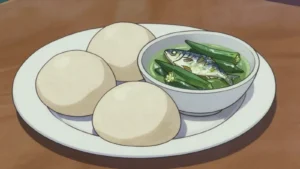
Tinpis is a main from Papua New Guinea: tinned mackerel or tuna heated with rice, onion and greens. Tok Pisin for tinned fish; imported cans became the everyday protein of towns and mining camps after independence.
How long does Tinpis take to make?
Tinpis takes 10 minutes of preparation and 20 minutes of cooking. The recipe makes serves 4. It is rated easy to make.
What can I substitute in Tinpis?
Yes, within limits. Tinned tuna replaces tinned mackerel; drain it if it is in brine, and use the oil if it is in oil. Cabbage replaces aibika, as do pumpkin tips, spinach or any leafy green. Coconut oil replaces plain oil and is used in coastal areas. Coconut milk is optional and makes the dish richer and saucier. Kaukau, taro or cassava replace rice and are the locally grown staples rather than an imported one. A stock cube is near universal in Pacific kitchens; salt and pepper alone will do.
What is the most important thing to get right in Tinpis?
Crush it into the pan and stir it through. Aibika needs about five minutes to soften. Add a splash of water so they steam. Cover the pan while they wilt down. Do not overcook them into grey mush.