
Ingredients
The mustard
- 100 gyellow mustard seeds
- 50 gbrown or black mustard seeds
- see the note on the two kinds
- cold water, to soak
The souring
- 1green mango, peeled and chopped
- or 100 ml white vinegar
- at 5 percent acidity
- see the note
- juice of 2 limes
The seasoning
- 2 tablespoonssalt
- non-iodised
- 6green chillies
- or to taste
- 6 clovesgarlic
- 1 teaspoonturmeric
- 1 teaspoonnigella seeds
- optional
- 2 tablespoonsmustard oil
- see the note
Equipment
- a glass or ceramic bowl
- not metal, see the note
- a grinder or a stone mortar
- sterilised glass jars
- with plastic-lined lids
Directions
- Brown and black mustard are far sharper. Brown alone is punishing. It takes several minutes to develop.
- Grind mustard with cold water, never hot. Heat destroys the enzyme. Hot water gives a bitter, flat mustard with no bite. Add the acid after the pungency has developed. Acid stops the enzyme.
- Grind, wait ten minutes, then add the vinegar or mango. Soak the mustard seeds in cold water. Dry seeds give a gritty one. Use glass or ceramic. Grind the drained seeds with the chillies and garlic. Add cold water a little at a time. Grind in a ventilated place.
- Keep your face away from the grinder. Let it settle before you lean in. Grind it to a coarse paste. It should not be a smooth cream.
- Let the ground paste stand ten to fifteen minutes. The pungency builds during those minutes. Use a hard sour unripe mango. Grind it in with the paste. It stops the enzyme and it preserves the sauce.
- Use vinegar at five percent acidity. Check the bottle. Salt it properly. Stir in the turmeric and nigella seeds. Stir the mustard oil in last.
- Use plastic-lined lids. The flavours need to settle together. Serve it in a small dish beside the food. A smear is enough.
Technique
- Grind mustard with cold water, never hot. Mustard’s pungency is not in the whole seed — crushing it with water lets an enzyme produce the pungent compounds — and heat destroys that enzyme, giving a bitter flat mustard with no bite. This is the commonest mustard mistake.
- Let the ground paste stand ten to fifteen minutes before adding any acid. The pungency builds during those minutes, and acid stops the enzyme: added too early it locks in a mild mustard, added after ten minutes it fixes the sharpness in place. That single sequence decides the result.
- Do not reduce the acid to soften the taste. It both stops the enzyme and preserves the sauce. Use vinegar at five percent acidity and check the bottle.
- Use both mustards. Yellow alone is bland, brown or black alone is punishing — yellow brings body and gentle warmth, brown and black bring the nose-hitting sharpness.
- Grinding mustard releases fumes that sting the eyes and nose far worse than onion. Grind in a ventilated place, keep your face away, and let it settle before leaning in. People are caught out by this.
- Soak the seeds a day or two in cold water, changing it once. Soaked seeds grind smooth where dry ones grind gritty, and rinsing draws off some bitterness — mustard can be bitter as well as pungent.
- Use glass or ceramic, never metal. Mustard and acid react with aluminium and copper and taint the sauce. Use plastic-lined lids too, or put baking paper under a metal one.
- Salt it properly. Under-salting shortens its life as well as flattening the taste.
- Rest it three days refrigerated before using. Fresh kasundi is harsh and separate and rounds out over days. Mustard pungency then fades over weeks — it is sharpest young.
- This version is stabilised with acid and kept cold rather than sun-matured. The traditional method depends on strong reliable sun, very high salt and daily attention; this one is close and reliable, and the atlas says so rather than pretending they match.
- The traditional ritual purity rules — fasting, bathing, newly cleaned vessels — were also good food hygiene, which is exactly what a ferment succeeds or fails on. Practices varied between households, and the atlas records the tradition without claiming one fixed form.
- Mustard is one of the fourteen allergens that must be declared in the European Union. Say plainly when a dish contains it; mustard allergy is real and can be severe.
- Mustard oil is sold labelled for external use only in the US, Canada and the EU, where it is not approved as a food oil, while being a standard food oil across South Asia. A neutral oil costs less here than in a bhorta, since the seeds already carry the pungency.
- Discard it for fuzzy or coloured mould, a yeasty smell distinct from the mustard sharpness, or a bulging jar. If you are unsure, throw it out.
Substitutions
- Vinegar replaces green mango entirely and is the more reliable souring.
- Tamarind or lime juice replaces green mango for sourness.
- Yellow mustard alone gives a mild sauce; brown alone a fierce one.
- Neutral oil replaces mustard oil with a smaller loss than in a bhorta.
- Nigella, fennel and fenugreek seeds all belong in variant spice mixes.
- Ready-made Bengali kasundi is sold by several Indian brands.
Variations
- Aam kasundi adds much more green mango and is sweeter and thicker.
- Jhal kasundi is the fiercer chilli-heavy version.
- Bengali tomato kasundi is the modern sweet-hot relative sold in bottles.
- Australian tomato kasundi descends from the Bengali sauce by way of migration.
- Sarson ka saag uses the same mustard plant as a green rather than a seed.
- Kasundi with a little sugar is made for children.
History
Traditionally prepared by Bengali women under ritual purity rules on an auspicious day, then sunned in jars until the mustard sharpens.
Frequently asked questions
What is Kasundi?
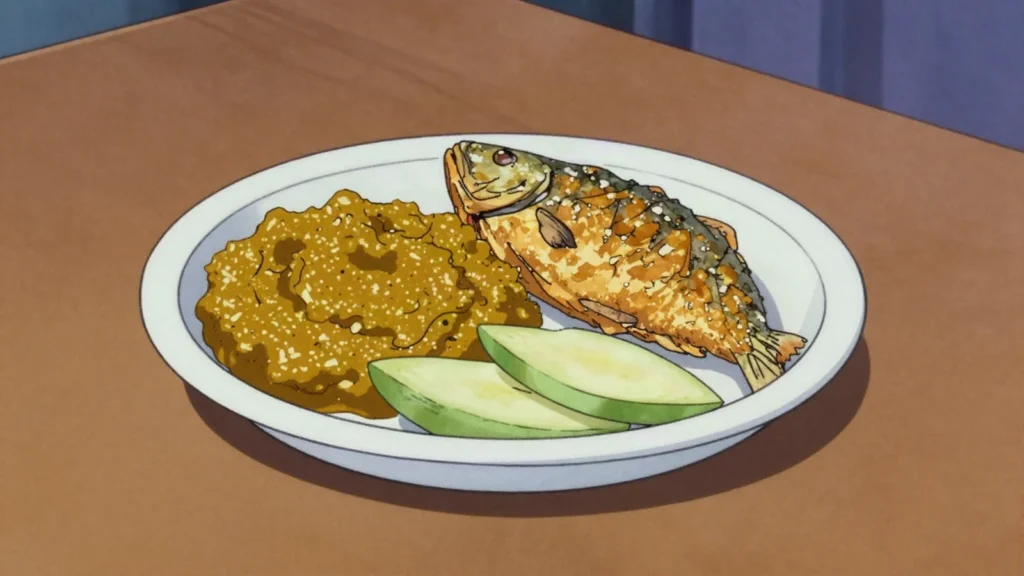
Kasundi is a fermented & pickled from Bangladesh: sharp fermented mustard sauce, eaten with fried fish and raw green mango. Traditionally prepared by Bengali women under ritual purity rules on an auspicious day, then sunned in jars until the mustard sharpens.
How long does Kasundi take to make?
Kasundi takes 30 minutes plus 2 days soaking of preparation and none of cooking. The recipe makes makes about 400 ml. It is rated medium to make.
What can I substitute in Kasundi?
Yes, within limits. Vinegar replaces green mango entirely and is the more reliable souring. Tamarind or lime juice replaces green mango for sourness. Yellow mustard alone gives a mild sauce; brown alone a fierce one. Neutral oil replaces mustard oil with a smaller loss than in a bhorta. Nigella, fennel and fenugreek seeds all belong in variant spice mixes. Ready-made Bengali kasundi is sold by several Indian brands.
What is the most important thing to get right in Kasundi?
Grind mustard with cold water, never hot. Heat destroys the enzyme. Hot water gives a bitter, flat mustard with no bite. Add the acid after the pungency has developed. Acid stops the enzyme.