
Ingredients
What to buy
- shidol, ready made
- also sold as sidol or hidol
- in small jars or blocks
- from a Bangladeshi or northeastern Indian grocer
- see the note on why no method is given
To make the bhorta with it
- 1 tablespoonshidol
- no more, see the note
- 2onions, chopped
- 8 clovesgarlic
- 6dried red chillies
- or to taste
- 2 tablespoonsmustard oil
- see the note
- salt, to taste
- coriander leaves
To serve
- plain boiled rice
- plenty of it
- dal
- a plain vegetable
- lime
Directions
- Keep it in a sealed jar inside a second sealed container. Use very little. Too much makes a dish inedible rather than strong.
- Start small and add more. Start with half of what you think. You cannot take it out again.
- Roast or fry the onion until soft and charred at the edges.
- Fry the shidol in a little oil for two or three minutes. Cook it outdoors if you can.
- Pound everything together in a mortar. It should be coarse rather than smooth. Work raw mustard oil in at the end. Taste before salting.
- Serve a small mound beside a large plate of plain rice. Anyone avoiding fish should be told.
- Keep it double-sealed. Use a clean dry spoon every time. Discard it if it bulges, hisses, moulds, or smells chemical rather than fermented.
Technique
- The atlas gives no method, deliberately. Shidol is a long anaerobic ferment of fish sealed in clay-stoppered earthen pots for months — no air, low acid, protein, long time — which is precisely where Clostridium botulinum grows, and its toxin gives no smell, taste or visible sign. Traditional producers make it safely through practice built over generations, and the atlas will not compress that into a paragraph. This is the same position taken on Doubanjiang, Mahyawa and Mahr.
- Use very little. A tablespoon flavours a dish for four and some cooks use a teaspoon. Too much makes a dish inedible rather than strong, and you cannot take it out again — start with half of what you think.
- Always cook it; it is not eaten raw. Boiling for several minutes destroys botulinum toxin, but that does not make an unsafe ferment safe as a general rule — sourcing is the real control, and the atlas says so rather than offering false reassurance.
- Buy labelled, sealed, commercially produced product from a proper grocer. Unlabelled homemade paste of unknown age and handling is a different proposition.
- Discard it for fuzzy or coloured mould, a sharp chemical or solvent smell distinct from the ferment, or any bulging or hissing of the container. Do not taste a bulging jar to check.
- Store it double-sealed — a sealed jar inside a second sealed container — in the refrigerator. The smell penetrates a refrigerator entirely and one jar will flavour the butter, the milk and the bread. This is not a joke.
- Open every window before frying it, and cook it outdoors if you can. The smell is strongest raw and while frying, and settles considerably once the dish is made.
- It is a condiment rather than a dish, eaten by the small spoonful against a large plate of plain rice.
- Taste before salting; how salty it is varies by producer.
- Char the onions rather than merely softening them, and pound rather than blend — a bhorta should be coarse.
- Say plainly when a dish contains it. A fermented fish paste hidden in a vegetable curry is not obvious, and that matters both for fish allergy and for anyone vegetarian.
- Mustard oil is sold labelled for external use only in the US, Canada and the EU, where it is not approved as a food oil, while being a standard food oil across South Asia. The shutki entry carries the fuller account.
- It divides people absolutely — beloved in Sylhet, unopenable elsewhere. The atlas records that rather than softening it.
Substitutions
- Ngari from Manipur is the closest relative and substitutes directly.
- Prahok, padaek or bagoong substitute at the cost of the regional character.
- Shutki, plain dried fish, gives a milder pungency without the ferment.
- Fish sauce gives savouriness with none of the depth or texture.
- Dried prawns are the mildest stand-in.
- Neutral oil replaces mustard oil, with a flatter result.
Variations
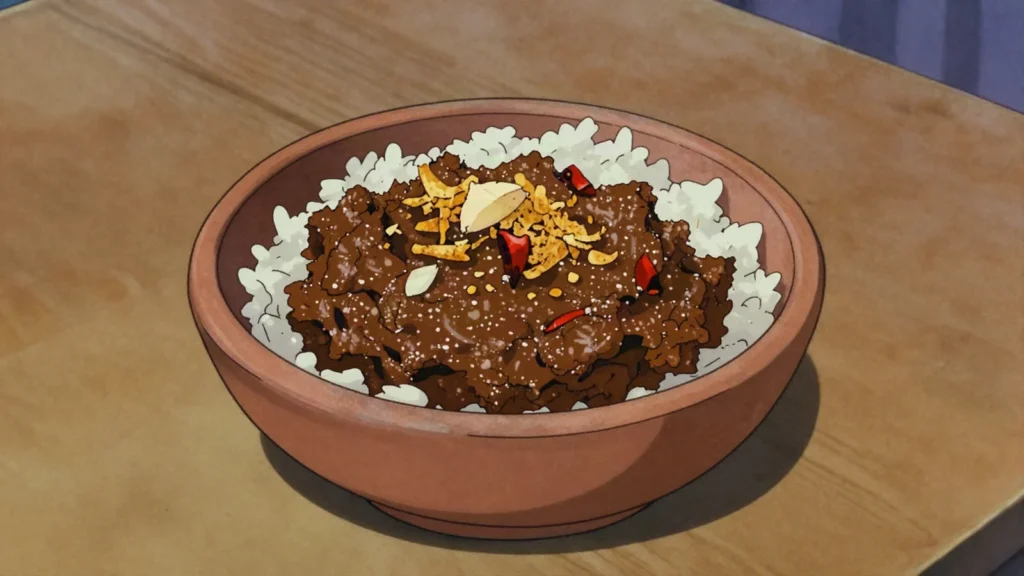
- Shidol bhorta is the mashed condiment and the main way it is eaten.
- Shidol with taro stem is the Sylheti pairing.
- Shidol with bamboo shoot is made in the hill districts.
- Ngari in Manipur ferments the fish without taro.
- Chepa shutki is the pressed fermented dried fish of the same region.
- Eromba in Manipur mashes ngari with boiled vegetables and chilli.
History
Speciality of Sylhet and the northeast, also made by Tripuri and Manipuri communities; the sealed pots ferment for months before use.
Frequently asked questions
What is Shidol?
Shidol is a fermented & pickled from Bangladesh: dried punti fish pounded with taro and fermented in sealed earthen pots. Speciality of Sylhet and the northeast, also made by Tripuri and Manipuri communities; the sealed pots ferment for months before use.
How long does Shidol take to make?
Shidol takes 10 minutes of preparation and 10 minutes of cooking. The recipe makes buy a small jar; a little goes far. It is rated medium to make.
What can I substitute in Shidol?
Yes, within limits. Ngari from Manipur is the closest relative and substitutes directly. Prahok, padaek or bagoong substitute at the cost of the regional character. Shutki, plain dried fish, gives a milder pungency without the ferment. Fish sauce gives savouriness with none of the depth or texture. Dried prawns are the mildest stand-in. Neutral oil replaces mustard oil, with a flatter result.
What is the most important thing to get right in Shidol?
Keep it in a sealed jar inside a second sealed container. Use very little. Too much makes a dish inedible rather than strong.