
Ingredients
The porridge
- 200 gjasmine rice
- rinsed
- or leftover cooked rice
- about 500 g
- 2 litreschicken or pork stock
- or water
- 1 teaspoonsalt
- a thumb of ginger, sliced
- optional
The protein
- 300 gchicken
- thighs, on the bone if possible
- or 300 g pork, or fish fillet
- or none, for a plain bobor
The fried garlic oil
- 8 clovesgarlic, sliced thinly
- 4 tablespoonsoil
The toppings
- spring onions, sliced
- coriander leaf
- Thai basil, optional
- bean sprouts
- fried shallots
- white pepper, ground
- fish sauce, to season
- lime wedges
- fresh chillies, sliced
- pickled vegetables
Sometimes added
- a raw egg, stirred in
- youtiao, the fried dough stick
- salted duck egg, chopped
- prahok, fermented fish paste
- a small amount
Directions
- Freeze it for a few hours and cook from frozen. Some cooks do it and some do not. Rinse the rice until the water runs fairly clear. Put it in a large heavy pot. Add the stock or water.
- Add the ginger slices and the salt. Bring it to a boil. It must be stirred regularly. Use a heavy pot, which catches less easily. Simmer it for about an hour. Add hot water whenever it gets too thick. It needs about twenty minutes rather than an hour. Use refrigerated rice within a day. Never use rice that has stood out overnight.
- Add them to the pot at the start. Lift them out after about forty minutes. Let them cool a little. Shred the meat and discard the bones. Return the meat to the pot near the end. Fish should go in at the very end. Slice the garlic thinly and evenly.
- Put it in a cold pan with the oil. Starting cold is deliberate here. Turn the heat to medium-low. Take it off the heat when it is pale gold. It keeps cooking in the residual heat. Strain the garlic out and keep both parts. Season it with fish sauce and white pepper. Taste it and adjust the salt. Ladle the hot porridge into deep bowls.
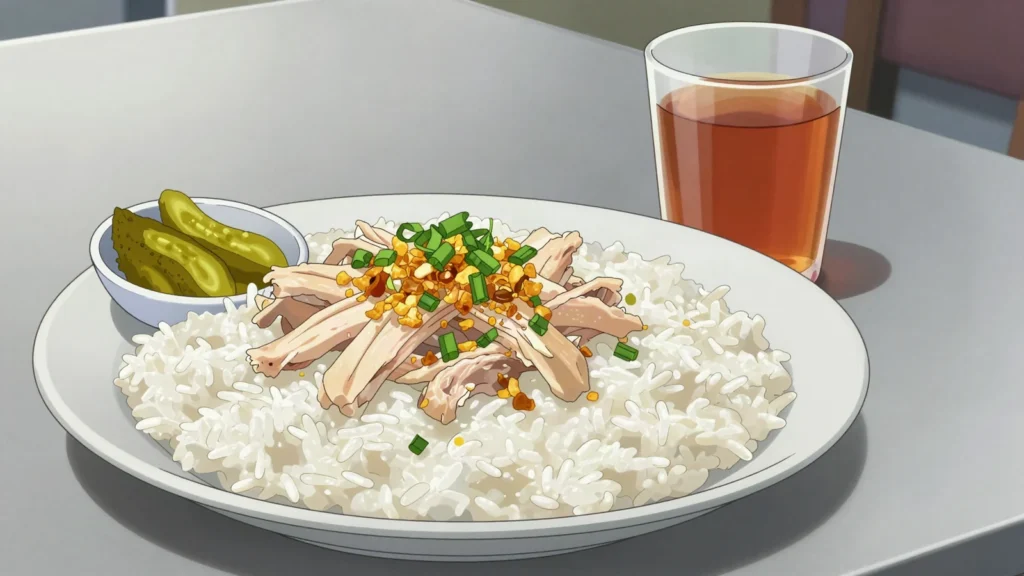
- Spoon fried garlic oil over each bowl. Scatter the crisp fried garlic. Add fried shallots as well. Add sliced spring onion generously. Add coriander and Thai basil. Add a handful of raw bean sprouts. Those stay crunchy against the soft porridge.
- Grind over white pepper. Squeeze over lime. Add sliced chilli to taste. Add pickled vegetables on the side. Some people crack a raw egg into the hot bowl.
- Use pasteurised eggs if that is a concern. Bobor keeps three days refrigerated. Stir it constantly as it reheats. The fried garlic oil keeps two weeks refrigerated. Make a jar of it and use it on everything.
Technique
- Stir every few minutes and scrape the bottom. Rice sinks and catches, and once the pot catches the whole batch tastes burnt with no way to rescue it. Use a heavy pot.
- Take the frying garlic off the heat while it is still pale gold. It keeps cooking in the residual heat and darkens to golden brown off the flame; waiting for brown in the pan gives burnt bitter garlic, which is the commonest failure here. Keep the oil as well as the crisp garlic — the oil is what makes bobor taste like bobor.
- Make it looser than you want it. Porridge thickens considerably as it cools and again as it stands, so keep hot water beside the pot.
- Freezing the rinsed raw rice for a few hours before cooking breaks down the grain structure and makes it collapse far faster in the pot. It is a genuine trick and it works.
- Leftover cooked rice makes porridge in about twenty minutes instead of an hour, and it is what many households actually do.
- Cool cooked rice within an hour and refrigerate it. Bacillus cereus spores survive cooking, germinate at room temperature and produce a toxin that reheating does not destroy. Use refrigerated rice within a day and never rice that has stood out overnight.
- Add fish only in the last three or four minutes. Chicken thighs on the bone go in at the start and are lifted out, shredded and returned.
- A raw egg stirred into a hot bowl may not reach a safe temperature. That matters most for pregnant people, small children, older people and anyone immunocompromised — use pasteurised eggs or stir it in while the pot is still simmering.
- White pepper rather than black is what is used here, and its earthy heat is part of the character.
- The toppings are not garnish. Crisp garlic, fried shallots, raw bean sprouts, herbs, lime and chilli against soft porridge are the whole texture of the dish.
- Prahok, Cambodian fermented fish paste, adds enormous savoury depth in tiny quantities. It is fundamental to the cuisine, pungent, and an acquired taste for many outsiders.
- Rice porridge is eaten across Asia — congee, jok, cháo, lugaw, okayu, juk, bubur. Bobor and the Malay bubur are clearly related words, which reflects long contact across the region; the atlas notes the resemblance without asserting who borrowed from whom.
Substitutions
- Leftover cooked rice replaces raw rice and cuts the cooking to about twenty minutes.
- Water replaces stock for a plainer version, which is what is often made for someone unwell.
- Pork, fish or nothing at all replaces the chicken; plain bobor is entirely normal.
- Fried shallots from a jar replace homemade and are what many households use.
- Soy sauce replaces fish sauce for a version without fish.
- Prahok is optional; the porridge is complete without it.
Variations
- Bobor sach moan, with shredded chicken, is the most widely eaten version.
- Bobor trey uses fish and is added at the last minute.
- A plain bobor with only garlic oil and pepper is what is made for the sick.
- Kuy teav, the noodle soup, is the other great Cambodian breakfast.
- Congee, jok and cháo are the Chinese, Thai and Vietnamese relatives.
- Some stalls serve it with a salted duck egg chopped over the top.
Frequently asked questions
What is Bobor?
Bobor is a breakfast from Cambodia: rice porridge with fried garlic, herbs and pickles, eaten before dawn.
How long does Bobor take to make?
Bobor takes 20 minutes of preparation and 1 hour of cooking. The recipe makes serves 4. It is rated easy to make.
What can I substitute in Bobor?
Yes, within limits. Leftover cooked rice replaces raw rice and cuts the cooking to about twenty minutes. Water replaces stock for a plainer version, which is what is often made for someone unwell. Pork, fish or nothing at all replaces the chicken; plain bobor is entirely normal. Fried shallots from a jar replace homemade and are what many households use. Soy sauce replaces fish sauce for a version without fish. Prahok is optional; the porridge is complete without it.
What is the most important thing to get right in Bobor?
Freeze it for a few hours and cook from frozen. Some cooks do it and some do not. Rinse the rice until the water runs fairly clear. Put it in a large heavy pot. Add the stock or water.