
Ingredients
Root
- 700 gmalanga, also called taro or yautía, peeled
Seasoning
- 6 clovesgarlic, crushed
- 3spring onions, finely chopped
- 1scotch bonnet, finely chopped
- 2 tbspchopped parsley
- 1 tspthyme leaves
- juice of 1 lime
- 1 tspsalt
- black pepper
Binder
- 1egg
- 2 tbspplain flour, if needed
To fry
- oil, for deep frying
To serve
- pikliz, the Haitian pickled cabbage relish
- hot sauce
- as part of a fritay plate
Directions
- Peel the root thickly, removing all the brown skin and any discoloured flesh underneath. Drop the peeled pieces into cold water as you go, since the flesh discolours on contact with air.
- Grate it finely on the fine side of a box grater, or blend it briefly with very little water. Grate it fine rather than coarse, since akra should be smooth and cohesive rather than shredded. It will produce a wet, sticky, slightly slimy mass, which is correct.
- Squeeze the grated malanga in a cloth to remove some of the liquid. Remove some of the water but not all of it, since the natural stickiness is what binds the fritters together. A completely dry mixture crumbles apart in the oil.
- Work in the garlic, spring onion, scotch bonnet, parsley, thyme, lime, salt and pepper. Season it firmly, since plain grated root is bland and the fritters need to taste of something on their own. Scotch bonnet is used generously in Haiti, and akra are usually properly hot.
- Chop it very finely so it distributes evenly rather than landing in one mouthful. Wash your hands after handling it and keep them away from your eyes. Now the egg, which helps bind. Beat in the egg, which holds the mixture together and lightens it slightly. Taste a tiny amount of the raw mixture for seasoning, then adjust.
- Heat the oil to about 175°C, with enough depth for the fritters to float. Test with a small spoonful, which should rise immediately and sizzle steadily. Drop spoonfuls of the mixture gently into the oil, a few at a time. Use two spoons or a wet hand, and do not make them too large.
- Keep them small, about the size of a walnut, since a large akra stays raw and pasty in the middle. Do not crowd the pan, which drops the temperature sharply. Fry for three to four minutes, turning them, until deep golden brown and crisp.
- Break one open before frying the rest: the inside should be soft and cooked through with no raw starchy centre. Malanga needs proper cooking, so give them the full time.
- Drain them on a rack rather than paper, so the undersides stay crisp. Salt them lightly while they are still hot. Serve them immediately with pikliz and hot sauce. The sharp vinegared pikliz against the hot oily fritters is the whole point of the pairing.
Technique
- Raw malanga irritates the skin, so peel and grate it with gloves or oiled hands.
- Squeeze out some of the liquid but not all, since the stickiness binds them.
- Pikliz, the vinegared chilli relish, is the standard accompaniment.
Substitutions
- Taro or yautía, which are sold under overlapping names.
- A hot pepper sauce in place of homemade pikliz.
Variations
- Made with a mixture of malanga and sweet potato.
- With salt cod flaked into the mixture.
- Made larger, as fritters to share.
History
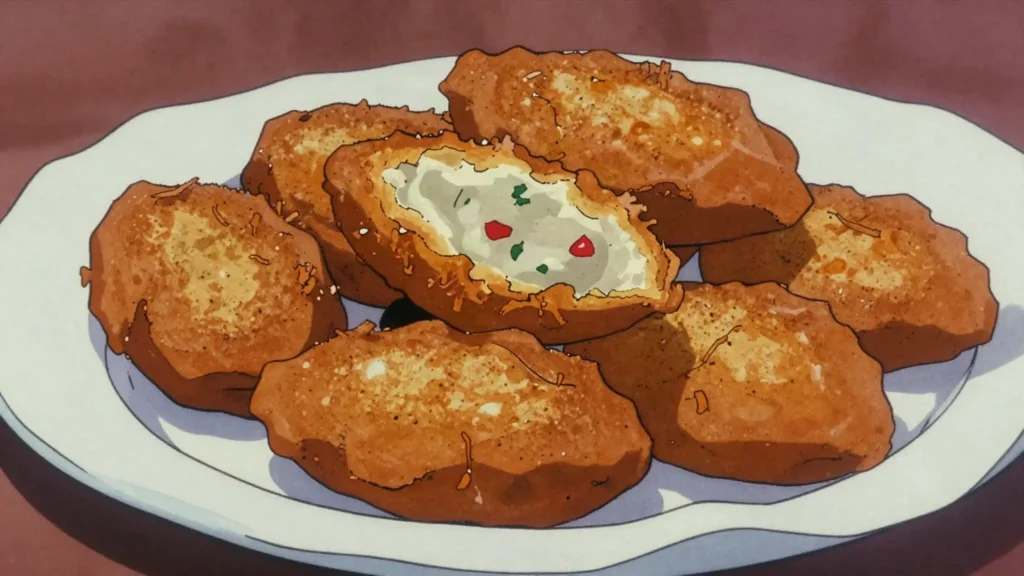
Fritters of grated malanga root with pepper and herbs, sold hot from street fritay stalls.
Frequently asked questions
What is Akra?
Akra is a snack from Haiti: spiced malanga fritters, a street favorite. Fritters of grated malanga root with pepper and herbs, sold hot from street fritay stalls.
How long does Akra take to make?
Akra takes 30 min of preparation and 20 min of cooking. The recipe makes about 24. It is rated easy to make.
What can I substitute in Akra?
Yes, within limits. Taro or yautía, which are sold under overlapping names. A hot pepper sauce in place of homemade pikliz.
What is the most important thing to get right in Akra?
Grate it finely on the fine side of a box grater, or blend it briefly with very little water. Grate it fine rather than coarse, since akra should be smooth and cohesive rather than shredded. It will produce a wet, sticky, slightly slimy mass, which is correct.