
Ingredients
The leaves
- 800 gyoung pumpkin leaves
- tintsanga, with tender stems
- de-stringed
- or 600 g spinach
- or a mixture of greens
The groundnuts
- 150 graw peanuts
- roasted and ground
- or 150 g groundnut flour
- or 5 tablespoons peanut butter
- unsweetened, loosened
The base
- 1onion, chopped
- 2 tablespoonsoil
- or a knob of butter
- 2 clovesgarlic, chopped
- optional
- 1tomato, chopped
- optional
The seasoning
- salt, to taste
- black pepper
- about 200 ml water
- or a little more
To serve
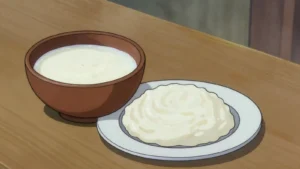
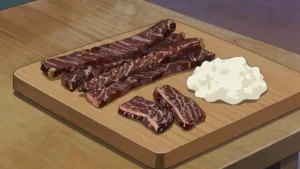
- phutu or stiff maize porridge
- or samp
- sour milk, emasi
- grilled or stewed meat
Directions
- Turn the leaf and do the same on the other side. Peel them from the underside of the leaf. Work through every leaf this way. It takes real time and patience. Fill a bowl or sink with cold water.
- Lift them out rather than pouring off. Spread them on a tray in one layer. Roast at one hundred and seventy degrees. Roast for about fifteen minutes. Shake the tray every five minutes. They should turn golden and smell strongly. Rub the skins off in a tea towel. Let them cool before grinding. Grind them in a processor or a mortar.
- Grind to a coarse powder, not a paste. There is a safety point about groundnuts. Discard any that are shrivelled or dark. Discard any that are mouldy or discoloured. Discard any that smell musty or stale. Store them airtight and completely dry.
- Heat the oil in a wide heavy pan. Add the chopped onion with a pinch of salt. Cook it until soft and lightly golden. That takes about eight minutes. Add the garlic if you are using it. Add the tomato if you are using it. Cook it down until it collapses. Add them in batches as they wilt down. Add a splash of water to help them steam.
- Cover the pan and let them collapse. That takes about five minutes. Add salt and plenty of black pepper. Add the rest of the water to the pan. Simmer them gently for twenty minutes. Pumpkin leaves need real cooking. Take a ladle of the hot liquid out. Whisk the groundnut into it in a bowl.
- Work it into a smooth loose cream. If using peanut butter, loosen it the same way. Simmer for at least ten to fifteen minutes. Stir it frequently throughout. So keep the heat low and keep stirring.
- Add hot water if it is too thick. Simmer it longer if too loose. Taste and correct the salt carefully. Greens take more salt than you expect. Serve it hot alongside a plate of phutu. Phutu is the stiff crumbly maize porridge. Stir constantly while reheating it. Blanch them and dry them in the sun.
Technique
- De-stringing the leaves is the step that decides the dish. Snap the stem at the base rather than cutting it, and pull back so the tough string peels away, then do the same along the main veins on the underside. Skip it and you get a stringy, unpleasant dish that cannot be fixed afterwards.
- Do not tip dry ground groundnut into the pan. Take out a ladle of hot liquid, whisk the groundnut into it until smooth, and stir that back in. Added dry it clumps and never disperses.
- Groundnut catches and burns easily and a burnt batch is bitter throughout with no way to rescue it. Keep the heat low and stir frequently. The oil rising slightly is the sign it has cooked and the raw chalky taste has gone.
- Groundnuts can carry aflatoxins from mould, which are linked to liver damage and are not destroyed by roasting or cooking. Sort them and discard anything shrivelled, dark, discoloured or musty-smelling.
- Peanut allergy can be life-threatening and there is no version of this without groundnuts. Tell guests.
- Pumpkin leaves need real cooking — twenty minutes, not the few minutes spinach takes. Test a piece of stem for fibre before adding the groundnut.
- The plant is grown for its leaves as much as its fruit, which surprises cooks from traditions that discard them. Picking leaves does not kill the plant, so a household gets greens all season and fruit at the end.
- The leaves shrink enormously. A very large pile becomes a modest bowlful.
Substitutions
- Spinach replaces pumpkin leaves and needs far less cooking — about five minutes rather than twenty. The flavour is milder.
- Cowpea leaves, sweet potato leaves or amaranth all work and are used across the region.
- Groundnut flour or smooth unsweetened peanut butter replaces home-ground nuts; loosen either with hot liquid first.
- Butter replaces oil where a household has it and gives a richer dish.
- Garlic and tomato are optional; the plainest version has neither and is probably the most common.
- Dried pumpkin leaves, rehydrated, replace fresh out of season and are how the dish is eaten through winter.
Variations
- A version with a splash of milk or cream stirred in at the end is richer and is made in some households.
- Umbhidvo made with other greens — cowpea, amaranth, wild greens — follows the same method under the same general name.
- Related pumpkin leaf and groundnut dishes are made across southern and eastern Africa, in Zimbabwe, Zambia, Malawi and Mozambique.
- Some cooks add chopped fresh pumpkin alongside the leaves, which sweetens the dish.
- A version with dried fish added gives savoury depth and turns it into a fuller meal.
- Dried and stored leaves, cooked in winter, give a deeper and more concentrated flavour.
History
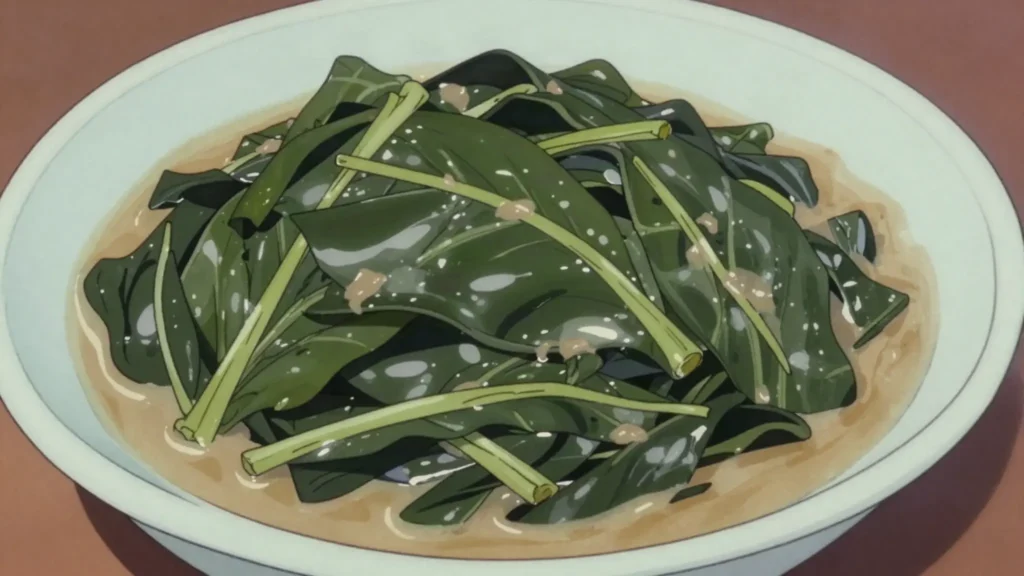
Pumpkin leaves cooked with ground peanuts, one of the dishes most closely identified with Swazi home cooking.
Frequently asked questions
What is Umbhidvo wetintsanga?
Umbhidvo wetintsanga is a salad & side from Eswatini: young pumpkin leaves cooked with groundnuts. Pumpkin leaves cooked with ground peanuts, one of the dishes most closely identified with Swazi home cooking.
How long does Umbhidvo wetintsanga take to make?
Umbhidvo wetintsanga takes 30 minutes of preparation and 40 minutes of cooking. The recipe makes serves 6 as a side. It is rated easy to make.
What can I substitute in Umbhidvo wetintsanga?
Yes, within limits. Spinach replaces pumpkin leaves and needs far less cooking — about five minutes rather than twenty. The flavour is milder. Cowpea leaves, sweet potato leaves or amaranth all work and are used across the region. Groundnut flour or smooth unsweetened peanut butter replaces home-ground nuts; loosen either with hot liquid first. Butter replaces oil where a household has it and gives a richer dish. Garlic and tomato are optional; the plainest version has neither and is probably the most common. Dried pumpkin leaves, rehydrated, replace fresh out of season and are how the dish is eaten through winter.
What is the most important thing to get right in Umbhidvo wetintsanga?
Lift them out rather than pouring off. Spread them on a tray in one layer. Roast at one hundred and seventy degrees. Roast for about fifteen minutes. Shake the tray every five minutes. They should turn golden and smell strongly. Rub the skins off in a tea towel. Let them cool before grinding. Grind them in a processor or a mortar.