The hard-skinned autumn squashes — pumpkin, butternut, kabocha, hubbard — dense, sweet and orange-fleshed, roasted, mashed, souped and baked into pies from the Americas where they began to every kitchen that has adopted them.
Where it comes from
All squashes are American, domesticated in Mexico and the Andes as much as ten thousand years ago and among the first crops of the Americas, grown with maize and beans as the ‘three sisters’. The hard winter squashes — harvested mature in autumn and stored through the cold months — reached Europe within decades of Columbus and were adopted fast, becoming zucca in Italy, potiron in France and the calabaza of Spain and its colonies; they reached Japan through the Portuguese, and kabocha is the Japanese word for Cambodia, where the Portuguese picked it up.
The word pumpkin means different things in different places: in North America the large orange field pumpkin, mostly for carving and pie filling from a tin; in Britain and Australia any winter squash. The best eating squashes are the dense, dry-fleshed ones — kabocha, butternut, Crown Prince, red kuri — whose sweetness concentrates when roasted. The seeds are eaten too, toasted or pressed for oil, especially in Austria and Mexico.
Varieties
- Butternut — Tan, pear-shaped, easy to peel, with sweet smooth orange flesh. The everyday cooking squash.
- Kabocha (Japanese pumpkin) — Squat, dark green, with dense, dry, chestnutty flesh. The best for roasting and tempura; skin is edible.
- Crown Prince — Large, blue-grey skin, deep orange flesh; sweet and dry. A favourite for soups and roasting.
- Red kuri (onion squash, Hokkaido) — Small, teardrop-shaped, red-orange, with a chestnut flavour and edible skin.
- Delicata and acorn — Small squashes for roasting in halves or rings; delicata’s skin is thin and eaten.
- Field pumpkin — The large orange Halloween pumpkin; watery and stringy, best for carving or for seeds.
In the kitchen
Roast it. Cut into wedges, seed, oil, salt and roast hot until the edges caramelise and the flesh is soft — that concentration of sugar is what boiling and steaming lose. Roasted flesh scooped from the skin makes the best soup and the best pie filling. Kabocha and red kuri need no peeling; butternut peels easily with a Y-peeler.
It pairs with sage, brown butter, Parmesan and nutmeg in Italy; with chilli, lime and coriander in Mexico; with soy and mirin in Japan; with ginger and cinnamon in the American pie. Its sweetness wants salt, acid or heat against it. The seeds, cleaned and toasted with salt, are a snack.
Choosing and keeping
Choose squash that is heavy, hard all over, with a dry, corky stem and no soft spots; a hollow sound when tapped is good. Whole winter squash keeps for weeks or months somewhere cool and dry, which is the point of it.
Cut squash wrapped in the fridge keeps about a week. Roasted or puréed it freezes well. A very large squash is safest cut with a heavy knife and a mallet, or roasted whole until soft enough to cut.
Dishes with pumpkin
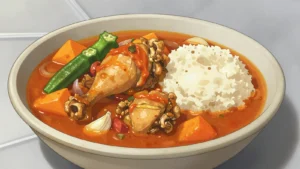 Muamba de galinhachicken stewed in red palm oil with okra and garlic; national dish
 Guiso de pipiánYoung squash stewed with tomato, cheese and cream, eaten with tortillas
 Brandy SourCypriot brandy with lemon squash, bitters and soda, long and pale.
 Mantysteamed dumplings of lamb and pumpkin with onion
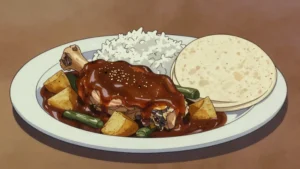 PepiánChicken in thick roasted seed-and-chile recado; national dish
 Bajan fish brothClear peppery broth of fish, ground provisions and dumplings
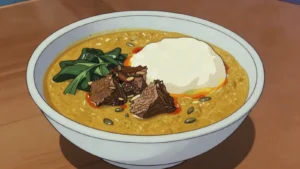 Egusi soupMelon-seed soup with bitterleaf and assorted meats, eaten with pounded yam
 Fish in Coconut CreamFresh reef fish simmered in coconut cream with greens, coastal staple
Pumpkin and winter squash is tagged on 143 dishes from 88 countries in the atlas. These notes are written from general knowledge and carry no per-fact citation — see About.