
Ingredients
The dumplings
- 250 gmasa harina
- or fresh masa
- 150 gqueso fresco
- crumbled, or feta
- 2eggs
- about 150 ml warm water
- salt
To fry
- oil for shallow frying
- about 1 cm deep
- a heavy frying pan
The broth
- 6tomatoes, chopped
- 1onion, chopped
- 3garlic cloves
- 1sweet pepper, chopped
- 1.5 litreschicken stock
- or water
- 1 teaspoonground cumin
- 2 tablespoonsoil
- salt and black pepper
To finish
- chopped coriander
- a squeeze of lime
- crumbled cheese
- tortillas, to serve
Directions
- Keep water well away from the hot oil. Water in hot oil erupts violently. Turn off the heat and cover the pan with a lid. Leave it covered until completely cool. Keep children and pets out of the kitchen. Mix the masa harina with warm water gradually.
- Add the water a little at a time as you mix. Stop when it comes together as a soft dough. Use warm rather than cold or hot water. Warm water hydrates the masa far better. Cold water gives a crumbly dough. Let the masa dough rest for ten minutes. It also stops it drying out as you shape. Cover it with a damp cloth while it rests. Work the crumbled cheese and eggs into the dough.
- Crumble the cheese finely rather than coarsely. Beat the eggs before adding them in. Work everything together thoroughly by hand. It should hold together when squeezed. Add a splash more water if it cracks. Add a little more masa if it is sticky. Roll the dough into small balls or ovals.
- Make them about the size of a walnut. Larger ones do not cook through properly. Keep them all roughly the same size. Roll each one until the surface is smooth. Wet your hands slightly to smooth them.
- Work them firmly rather than gently. Fry the dumplings in shallow oil until golden. Use about one centimetre of oil in the pan. Heat it until a scrap of dough sizzles at once. Too cool and they absorb oil and go greasy.
- Fry them in batches rather than all at once. Leave space around each dumpling. Let the oil recover between batches. Give them about four minutes in total. Turn them so they colour on every side. They should be golden and firm to the touch.
- Lift them onto kitchen paper to drain. Otherwise the soup ends up greasy. Let them sit there while you make the broth. Do not stack them while they are hot. Heat oil in a large pot and cook the onion. Give it about eight minutes until soft. Add the sweet pepper along with the onion. Both should soften before anything else goes in.
- Add the garlic and the ground cumin. Garlic burns and turns bitter within a minute. Add the chopped tomatoes and cook them down. Give them about ten minutes to break down. Stir it so it does not catch on the base. Pour in the stock and bring it to a simmer. Use chicken stock for a richer broth. Season the broth well at this stage. Some cooks blend the broth smooth at this point.
- Simmer the broth for about fifteen minutes. Taste it and adjust the seasoning. It should be well seasoned and clearly savoury. Arrange them in a single layer if you can. They should be mostly covered by the broth. Simmer the dumplings gently for ten minutes.
- Keep it at a gentle simmer rather than a boil. Do not stir the pot vigorously at this stage. Shake the pot gently instead of stirring. Cut one dumpling open to check the centre. It should be soft and hot right through.
- Ladle broth and dumplings into deep bowls. Lift the dumplings out with a slotted spoon. That keeps them intact rather than broken. Scatter coriander and crumbled cheese over. Add both at the last moment before serving.
- Squeeze lime over the bowl before eating. Put wedges on the table for each eater. Serve warm tortillas alongside the bowls. Warm them briefly before serving. It keeps two days refrigerated in a covered bowl.
Technique
- Masa harina is not the same as cornmeal and cornmeal will not work here. Masa is made from nixtamalised maize — simmered in an alkaline solution of calcium hydroxide or wood ash, which softens the hulls, changes the starch and makes niacin nutritionally available. Cornmeal is simply ground dried maize and will not bind into a workable dough.
- The dumplings must be fried before they go into the broth: that gives them a firm outer surface, and without it they disintegrate entirely. Simmer them gently rather than boiling, and shake the pot rather than stirring, since they stay fragile even after frying.
- Hot oil is genuinely dangerous — never leave the pan unattended, keep water well away since it erupts violently in hot oil, and if it catches fire turn off the heat and cover the pan rather than using water. The dumplings contain both cheese and egg, neither obvious in the finished soup.
Substitutions
- Feta replaces queso fresco reasonably well. Queso fresco is mild, salty and does not melt fully, which is exactly what these need — a melting cheese simply runs out of them.
- Water replaces chicken stock for a lighter vegetarian broth, and both are genuinely made in Honduran homes. Some cooks blend the broth smooth while others leave it chunky; both are done, the chunky version being more rustic.
Variations
- Capirotada means a sweet bread pudding in Mexico and these savoury masa dumplings in Honduras — the two dishes share only the name and are otherwise unrelated, one a Lenten dessert and one a savoury soup. Do not confuse them when searching for recipes.
- Use warm rather than cold water for the masa, which hydrates it far better, add it gradually since brands absorb differently, and rest the dough ten minutes under a damp cloth so it becomes workable. Crumble the cheese finely, since large pieces make the dumplings fall apart.
- Fry them about four minutes until golden and firm but not necessarily cooked through — they finish in the broth, and the frying is for the surface rather than the centre. Fry in batches, since crowding drops the oil temperature and they absorb oil and go greasy.
History
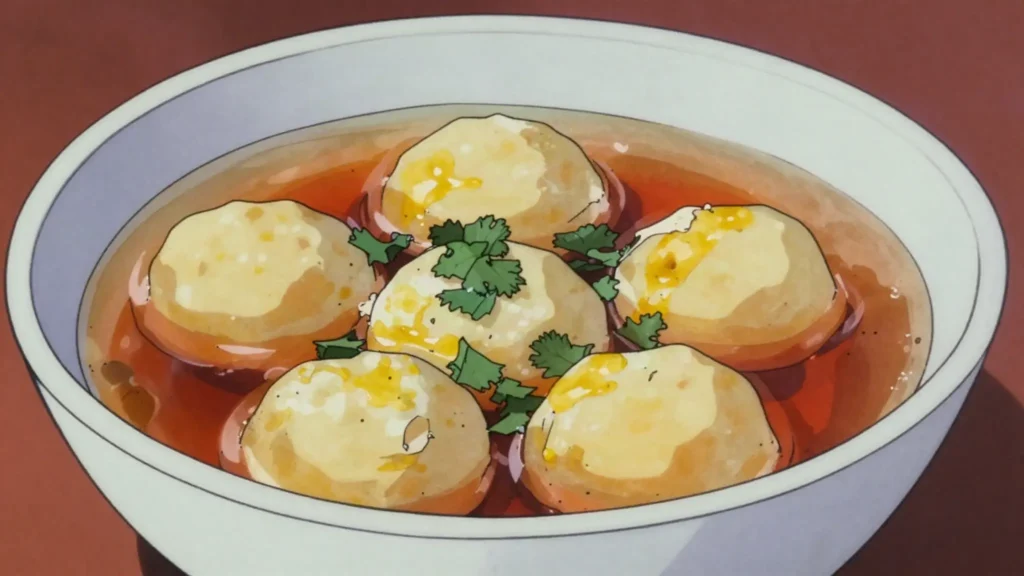
A Honduran country soup in which the capirotada dumplings are fried first, then simmered in tomato broth.
Frequently asked questions
What is Sopa de capirotadas?
Sopa de capirotadas is a soup & stew from Honduras: broth with dumplings of corn masa, cheese and egg floating in it. A Honduran country soup in which the capirotada dumplings are fried first, then simmered in tomato broth.
How long does Sopa de capirotadas take to make?
Sopa de capirotadas takes 30 minutes of preparation and 40 minutes of cooking. The recipe makes serves 6. It is rated medium to make.
What can I substitute in Sopa de capirotadas?
Yes, within limits. Feta replaces queso fresco reasonably well. Queso fresco is mild, salty and does not melt fully, which is exactly what these need — a melting cheese simply runs out of them. Water replaces chicken stock for a lighter vegetarian broth, and both are genuinely made in Honduran homes. Some cooks blend the broth smooth while others leave it chunky; both are done, the chunky version being more rustic.
What is the most important thing to get right in Sopa de capirotadas?
Add the water a little at a time as you mix. Stop when it comes together as a soft dough. Use warm rather than cold or hot water. Warm water hydrates the masa far better. Cold water gives a crumbly dough. Let the masa dough rest for ten minutes. It also stops it drying out as you shape. Cover it with a damp cloth while it rests. Work the crumbled cheese and eggs into the dough.