
Ingredients
The sago
- 200 gsago pearls
- or tapioca pearls
- see the note
- water, to soak
The liquid
- 800 mlthick coconut milk
- 400 mlwater
- or thin coconut milk
- 150 gsugar
- or to taste
- a pinch of salt
The scenting
- 1 teaspoonground cardamom
- 1 tablespoonrose water
- a few strands saffron
- optional
To serve
- warm or chilled
- in small bowls
- at Ramadan
Directions
- Keep it well below a rolling boil. One tablespoon is quite enough. Add it in right at the very end. Cover the sago with cold water. Give it about thirty full minutes. Drain them thoroughly afterward. Drain them well before cooking.
- Let them sit in the sieve a while. Shake them about to separate them. Put the coconut milk and water in a pot. Use a genuinely heavy pot for this. Sago catches on a thin base readily. Bring it up to a gentle simmer.
- Keep it well below a rolling boil. It should barely bubble at the edges. Pour the drained sago in gradually. Add it in a slow steady stream. Stir constantly as it goes in.
- Take a full minute over the pouring. Stir it constantly right through. Constant movement prevents both. Simmer it for about twenty minutes. That takes about twenty minutes. Lift one pearl out on a spoon. Cook it longer until the dots go. Cook it looser than you want it. A perfect hot consistency goes stiff cold. Add more liquid if it is too thick. Stir the sugar into the pudding.
- Add it partway through the cooking. Ten minutes in is about right. Stir a good pinch of salt into it. Salt sharpens the sweetness considerably. It stops it tasting flat and cloying. Stir the ground cardamom into it. Grind it fresh if you possibly can. Add it near the end of cooking. Steep the saffron in a little hot water.
- Take the pot right off the heat. Stir in all of the rose water. Add it in off the heat entirely. The aroma escapes if it boils. Stir it right through the pudding. Taste it and adjust cautiously. Add half and taste before the rest. You cannot take it back out again.
- Ladle it out into small bowls. It is served warm from the pot. Press cling film onto the surface. That prevents a skin entirely.
Technique
- Sago and tapioca are not the same thing — sago is starch from the felled trunk of a sago palm and tapioca is starch from the cassava root, entirely different plants whose pearls look almost identical and are sold under both names loosely. Many packets labelled sago are tapioca. Both work identically here, and the atlas records the distinction honestly rather than pretending they are one plant. Tapioca pearls are a fully processed product carrying none of raw cassava’s cyanogenic compounds, so this is not a raw cassava dish.
- Sago clumps into a solid mass that will not cook through. Three things prevent it: plenty of liquid, adding the pearls to already simmering liquid in a slow steady stream rather than all at once, and constant stirring throughout — the pearls both sink and stick to the base and clump in the liquid.
- Judge doneness by lifting a pearl out and looking for a white dot at its centre: a dot means undercooked, and fully cooked pearls are clear throughout. That is the most reliable check, more so than timing.
Substitutions
- Soaking the pearls thirty minutes first softens them slightly, shortens the cooking and reduces clumping; drain them thoroughly, since excess water thins the coconut milk.
- Saffron steeped ten minutes in a tablespoon of hot water, then stirred through, is a common addition — saffron needs liquid to release its colour.
Variations
- Keep it below a rolling boil throughout, since coconut milk splits when boiled hard and the fat separates out into oil; use a heavy pot, since sago catches on a thin base readily.
- Cook it looser than you want it, since it thickens considerably as it cools and a perfect hot consistency goes stiff when cold. Add the sugar only partway through, since sugar added early makes it catch and slows the pearls softening.
- Rose water is the defining scent but genuinely very strong — one tablespoon is enough and more tastes entirely of soap. Add it off the heat at the very end, since the aroma is volatile and long cooking drives it away, and add half before tasting since you cannot take it out again.
History
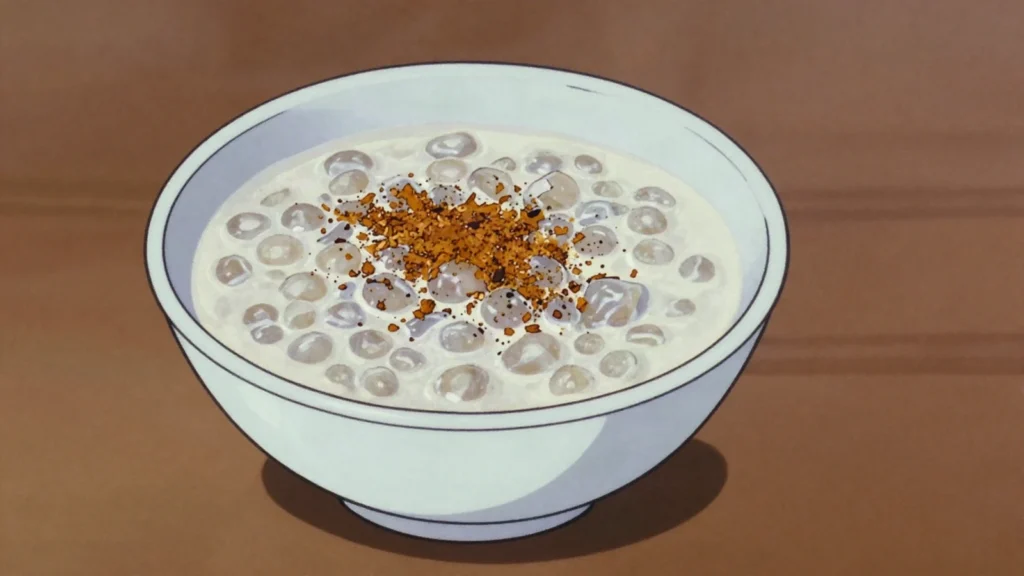
Sago pudding with coconut milk and rosewater, made for Ramadan and family celebrations.
Frequently asked questions
What is Saagu Bondibai?
Saagu Bondibai is a dessert from Maldives: sago pudding with coconut milk, cardamom and rose water. Sago pudding with coconut milk and rosewater, made for Ramadan and family celebrations.
How long does Saagu Bondibai take to make?
Saagu Bondibai takes 10 minutes plus soaking of preparation and 25 minutes of cooking. The recipe makes serves 6. It is rated medium to make.
What can I substitute in Saagu Bondibai?
Yes, within limits. Soaking the pearls thirty minutes first softens them slightly, shortens the cooking and reduces clumping; drain them thoroughly, since excess water thins the coconut milk. Saffron steeped ten minutes in a tablespoon of hot water, then stirred through, is a common addition — saffron needs liquid to release its colour.
What is the most important thing to get right in Saagu Bondibai?
Sago and tapioca are not the same thing — sago is starch from the felled trunk of a sago palm and tapioca is starch from the cassava root, entirely different plants whose pearls look almost identical and are sold under both names loosely. Many packets labelled sago are tapioca. Both work identically here, and the atlas records the distinction honestly rather than pretending they are one plant. Tapioca pearls are a fully processed product carrying none of raw cassava’s cyanogenic compounds, so this is not a raw cassava dish.