
Ingredients
The filling
- 300 gcooked tuna
- smoked Maldivian tuna, ideally
- or tinned tuna, well drained
- flaked finely
- 300 gwhite cabbage, shredded finely
- 1large onion, finely chopped
- 4hard-boiled eggs, chopped
- 2hot chillies, finely chopped
- or to taste
- a thumb of ginger, grated
- 4 clovesgarlic, crushed
- juice of 1 lime
- half a teaspoon turmeric
- 1 teaspoonblack pepper
- salt, to taste
- 2 tablespoonsoil
- a few curry leaves, optional
The pastry
- 300 gplain flour
- half a teaspoon salt
- 2 tablespoonsoil
- about 160 ml warm water
- or 20 spring roll wrappers
- or 20 samosa pastry strips
To seal
- 2 tablespoonsflour
- mixed with water to a paste
For frying
- 1 litrevegetable oil
- or enough for 6 cm depth
To serve
- hot, on their own
- chilli sauce
- sweet black tea
Directions
- Heat the oil in a wide pan. Add the chopped onion and cook it until soft. Give it about six minutes. Add the garlic, ginger and chillies. Add the curry leaves if you have them.
- Cook them for two minutes. Add the turmeric and cook briefly. Shred it as finely as you can. Cook it for about eight minutes. It should soften and lose its raw crunch. Flake it finely and stir it through. Add the black pepper and the lime juice. Season with salt and taste it. It should be well seasoned and quite hot.
- Stir in the chopped hard-boiled egg last. Adding it off the heat keeps the pieces distinct. Warm filling makes the pastry soft and unworkable. Spread it on a tray to cool faster. Refrigerate it if you have time.
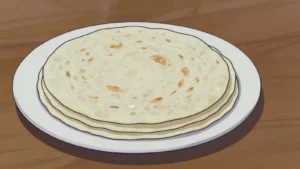
- Put the flour and salt in a bowl. Add the oil and rub it through. Add warm water gradually and bring it together. Knead it for about five minutes until smooth. Rest it, covered, for thirty minutes. Resting makes it far easier to roll thin. Divide it into small balls. Roll each into a very thin circle. Thin pastry is what gives a crisp result.
- Put a spoonful of filling on one end of a strip. Fold the sides in over the filling. Brush the flour and water paste along the edge. Press it down firmly. Check there are no gaps at all. Filling escaping into hot oil spits dangerously.
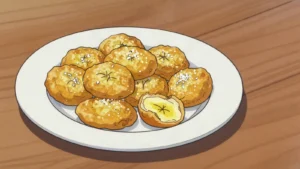
- Press every seam and check each one. Do not overfill them at any point. Use a deep heavy pot. Fill it no more than one third full. Never leave hot oil unattended. Keep a lid within reach. If it catches fire, turn off the heat and cover it. Fry them for three or four minutes. Turn them so they colour evenly. They should be deep golden and crisp.
- Lift them out with a slotted spoon. Drain them on a rack over kitchen paper. Serve them hot, while the pastry is crisp. Serve a chilli sauce alongside. They keep a day in an airtight tin. Freeze them on a tray before bagging them. Fry them from frozen at a slightly lower temperature. Give them an extra minute or two.
Technique
- Cook the filling until the pan looks genuinely dry. Cabbage releases a great deal of water, and wet filling makes the pastry soggy from inside and bursts the parcels in hot oil — which is a burn risk as well as a ruined snack.
- Cool the filling completely before folding. Warm filling makes the pastry soft and unworkable and steams inside a sealed parcel. Spread it on a tray or refrigerate it.
- Stir the chopped egg in off the heat, last. It keeps the pieces distinct instead of breaking them up into the mixture.
- Seal every seam with flour-and-water paste and check each one. Filling escaping into hot oil spits dangerously and breaks the parcel apart.
- Do not overfill. A modest spoonful is right; overfilled parcels split as the filling expands.
- Roll the pastry very thin. Thick pastry stays doughy inside, which is the commonest failure with any fried parcel. Ready-made spring roll wrappers or frozen samosa strips work very well and many people use them.
- Fry at 180 degrees, hotter than for thick fritters. The filling is already cooked and you are only crisping the pastry.
- Season the filling boldly. The plain pastry dilutes it considerably.
- Shred the cabbage finely. Coarse pieces tear the pastry as you fold.
- Deep-frying rules apply: fill the pot no more than a third, never leave it unattended, keep a lid within reach, and if the oil catches fire turn off the heat and smother it. Never throw water on burning oil.
- Maldivian tuna is caught by pole and line, one fish at a time, with very little bycatch — widely regarded as among the more sustainable fisheries. Buying tinned tuna, look for pole-and-line or MSC certification; skipjack is generally in better shape than bluefin, which is severely depleted.
- This contains fish and egg, both common allergens, and fish allergy can be severe. Say so plainly to guests.
Substitutions
- Tinned tuna, well drained, replaces smoked Maldivian valhoamas, which is hard to find abroad.
- Spring roll wrappers or frozen samosa pastry strips replace homemade pastry and save considerable time.
- Smoked mackerel gives something closer to the smoked-fish character of the original.
- The egg can be left out, though the dish is then named for something it no longer contains.
- Curry leaves are optional and add a genuine lift where you can get them.
- A version baked at 200 degrees rather than fried is drier but works if you brush it with oil.
Variations
- Gulha, small fried balls of tuna, coconut and onion, are the round relative in the same tea spread.
- Bajiya in the Maldives is a pastry cone with a similar tuna filling — a different dish from the Djiboutian bean fritter of the same name.
- Masroshi is a flatbread stuffed with the same tuna and coconut mixture and griddled rather than fried.
- Kulhi boakibaa is a baked spiced fish cake made with rice and coconut.
- A version with grated coconut worked into the filling is common.
- Samosas and Sri Lankan fish rolls are the nearest relatives in the wider region.
Frequently asked questions
What is Bis Keemiya?
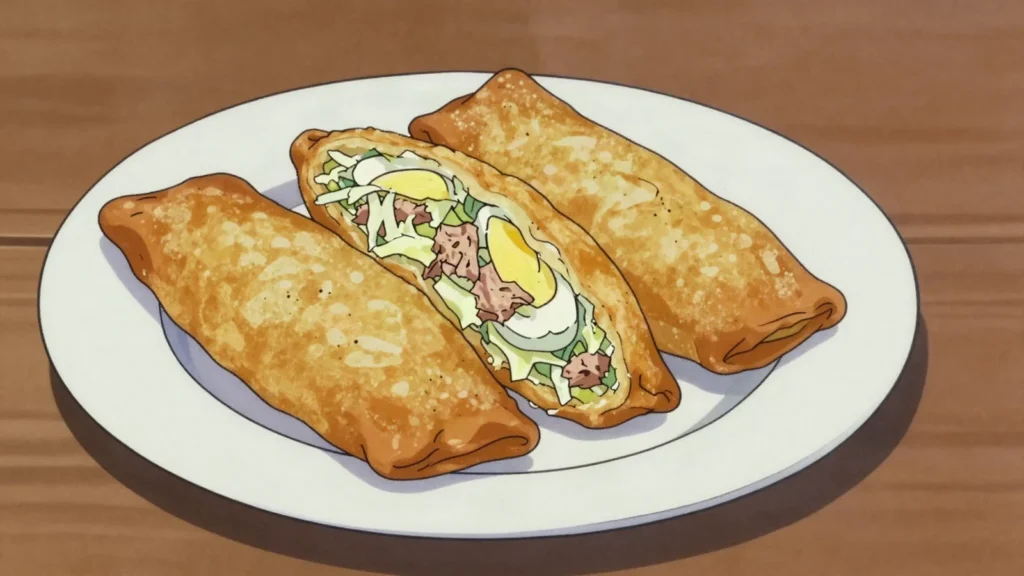
Bis Keemiya is a snack from Maldives: folded pastry parcel of tuna, cabbage and boiled egg, deep-fried.
How long does Bis Keemiya take to make?
Bis Keemiya takes 50 minutes of preparation and 25 minutes of cooking. The recipe makes makes about 20. It is rated medium to make.
What can I substitute in Bis Keemiya?
Yes, within limits. Tinned tuna, well drained, replaces smoked Maldivian valhoamas, which is hard to find abroad. Spring roll wrappers or frozen samosa pastry strips replace homemade pastry and save considerable time. Smoked mackerel gives something closer to the smoked-fish character of the original. The egg can be left out, though the dish is then named for something it no longer contains. Curry leaves are optional and add a genuine lift where you can get them. A version baked at 200 degrees rather than fried is drier but works if you brush it with oil.
What is the most important thing to get right in Bis Keemiya?
Press every seam and check each one. Do not overfill them at any point. Use a deep heavy pot. Fill it no more than one third full. Never leave hot oil unattended. Keep a lid within reach. If it catches fire, turn off the heat and cover it. Fry them for three or four minutes. Turn them so they colour evenly. They should be deep golden and crisp.