
Ingredients
The pastry
- 500 gplain flour
- 150 glard or butter
- cold and cubed
- about 150 ml cold water
- 1 teaspoonsalt
The ricotta filling
- 500 gfresh ricotta
- well drained
- 2eggs
- chopped parsley
- salt and plenty of black pepper
The pea filling
- 400 gpeas
- fresh or frozen
- 1onion, chopped
- 2 tablespoonstomato paste
- 6anchovy fillets, chopped
- 3 tablespoonsolive oil
- black pepper
To finish
- 1egg, beaten
- to glaze
Directions
- Set it in a sieve over a bowl. Let it drain for an hour or more. Press it gently to help it along. Discard the whey that comes out. It is quite a wet filling indeed. Put the flour and salt in a bowl. Add all of the cold cubed fat.
- Rub it in to a coarse crumb texture. Rub it with your fingertips only. Lift the mixture up as you rub it. That keeps it cool and aerated. Butter gives a better flavour. Add the cold water in gradually. Bring it together into a dough. Add only enough to bring it together. Too much water makes it tough. Add it in just a splash at a time. Stop the moment it holds together.
- Wrap it up and then refrigerate it. Give it at least thirty full minutes. Put the drained ricotta in a bowl. Beat the eggs and then add them. Add the parsley and seasoning. They also help it set as it bakes. Heat the oil in a wide frying pan.
- Add all the chopped onion to it. Cook it for about eight minutes. Add the chopped anchovy to the pan. Press it with a spoon to help it. It should disappear entirely into it.
- Add the tomato paste to the pan. Cook the paste for two full minutes. Add the peas and a splash of water. Cook the peas until they are tender. Fresh peas take about ten minutes. Cook the filling until quite dry. A wet filling makes soggy pastry.
- Cook all of the liquid right off. It should hold together in a mass. Let the filling cool completely. Hot filling melts the pastry fat. Cool it right down completely first. Roll the pastry out on a floured surface. Roll it about three millimetres thick. Thin enough to bake up properly crisp. Cut rounds with a bowl or cutter. About twelve centimetres across is usual.
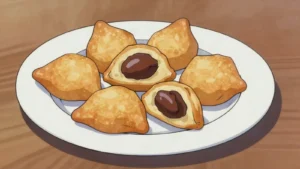
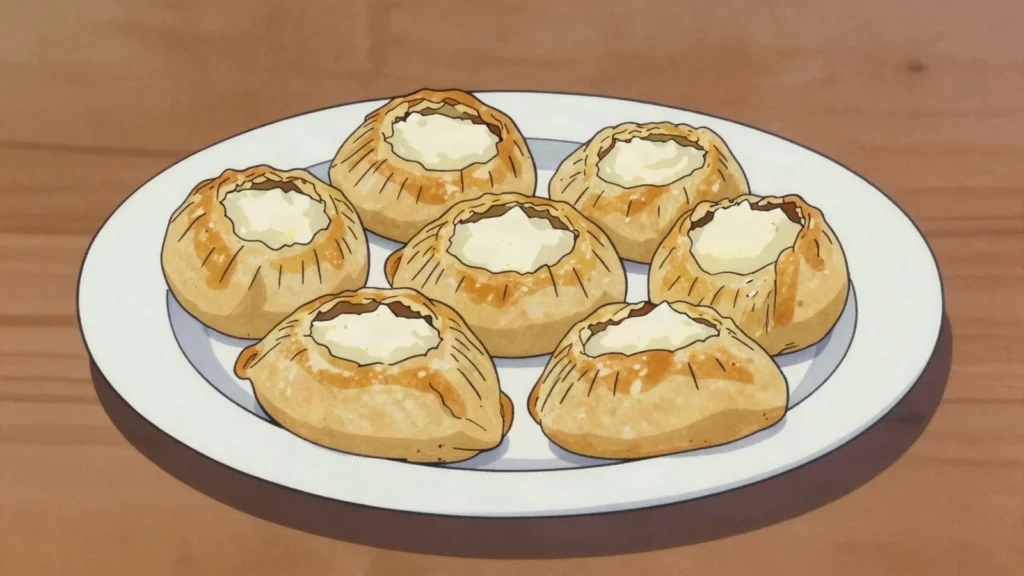
- Keep every one of them the same size. Put filling in the centre of each round. Fill them generously rather than sparingly. About two centimetres is enough. Pleat it as you work right round. Pinch every single pleat to hold it. Leave the whole centre wide open. Pinch them all firmly as you go.
- Leave a good opening in the middle. The filling should be visible. Brush the pastry with beaten egg. Brush only the pleated sides of it. Egg gives a deep golden shine. Heat the oven to two hundred degrees. Bake them for about thirty minutes. The pastry must colour properly. Lift them out onto a wire rack. Let them cool at least a little. The hot filling is extremely hot.
Technique
- Ricotta holds a great deal of whey and wet ricotta makes a soggy pastry, which is the commonest mistake — set it in a sieve over a bowl for an hour or more, pressing gently, and discard what drains out. The pea filling must likewise be cooked until quite dry and holding together in a mass.
- Draw the pastry edge up around the filling and pleat it as you work round, pinching each pleat to hold it, and leave the centre open — the pleats are what hold the sides up, and without them the pastry falls back flat. Six or eight pleats is usual.
- Anchovy dissolves entirely into the pea filling and gives depth rather than fishiness, so most people cannot identify it — but it makes the filling non-vegetarian and is a fish allergen, and it is not visible, so say clearly what has gone into it.
Substitutions
- Lard is traditional in Maltese pastry and gives a shorter crumblier result where butter gives a better flavour; both are genuinely used.
- Spinach with anchovy is the third classic filling alongside ricotta and peas.
Variations
- Pastizzi are the other Maltese pastry sold beside these — diamond-shaped, sealed and made with a stretched flaky pastry where qassatat are round, open and made with a simpler shortcrust. They share their fillings and are genuinely different pastries.
- Black pepper goes into the ricotta filling generously, which cuts the mildness of the cheese; be more generous than seems right. The eggs bind it and help it set, and without them it stays loose.
- Brush the glaze on the pleated sides only rather than over the filling, and let them cool ten minutes before eating since ricotta holds heat badly and can badly burn the mouth.
History
Sold beside pastizzi from Maltese pastizzeriji and kiosks as cheap all-day food.
Frequently asked questions
What is Qassatat?
Qassatat is a street food from Malta: round open pastries filled with ricotta, peas or spinach and anchovy. Sold beside pastizzi from Maltese pastizzeriji and kiosks as cheap all-day food.
How long does Qassatat take to make?
Qassatat takes 40 minutes plus resting of preparation and 30 minutes of cooking. The recipe makes about 10 pastries. It is rated medium to make.
What can I substitute in Qassatat?
Yes, within limits. Lard is traditional in Maltese pastry and gives a shorter crumblier result where butter gives a better flavour; both are genuinely used. Spinach with anchovy is the third classic filling alongside ricotta and peas.
What is the most important thing to get right in Qassatat?
Keep every one of them the same size. Put filling in the centre of each round. Fill them generously rather than sparingly. About two centimetres is enough. Pleat it as you work right round. Pinch every single pleat to hold it. Leave the whole centre wide open. Pinch them all firmly as you go.