
Ingredients
Batter
- 400 gplain flour
- 300 mlwarm water
- or 300 ml warm milk
- 100 gsugar
- 7 gdried yeast
- 1/2 teaspoonsalt
- 1egg, optional
- 1/2 teaspoongrated nutmeg
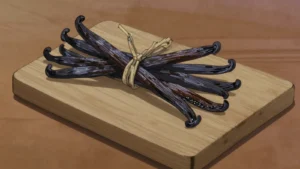
- 1 teaspoonvanilla, optional
To fry
- oil, for deep frying
To finish
- caster sugar, for tossing, optional
- paper bags, as sold
Directions
- Warm the water to just above body temperature. It should feel barely warm to a clean finger. Stir the yeast and a spoon of sugar into it. Let it stand five minutes until it foams. Combining it takes only a moment. Put the flour and salt in a large bowl. Add the rest of the sugar to it.
- Add the grated nutmeg to the flour. Whisk them together thoroughly. Pour in the yeasted water gradually. Beat it hard with a wooden spoon. Add the egg and vanilla if using them. Beat it into a smooth thick batter. It should be thick and sticky.
- Add water or flour a little at a time. Beat it hard for a good five minutes. Rising it takes about an hour. Cover the bowl over with a cloth. Leave it somewhere warm to rise. Give it at least one full hour.
- Pour oil into a deep pan to eight centimetres. Never fill a pan more than halfway with oil. Heat the oil to about 170C for frying. A scrap of batter should sizzle up at once.
- Take a small amount of batter on a spoon. Let it fall in one ragged blob. Do not try to round it at all. Keep them small, about a walnut. Do not crowd the pan at any point. Fry them for about three minutes.
- Turn them over as they colour. They should be deep golden all over. Break one open from the first batch. The inside should be airy and cooked. Lift them onto a wire rack or paper. Let all the excess oil drain off.
- Toss them in caster sugar if you like. The batter is already sweet enough. Pile them into small paper bags. They keep a day but go quite dense.
Technique
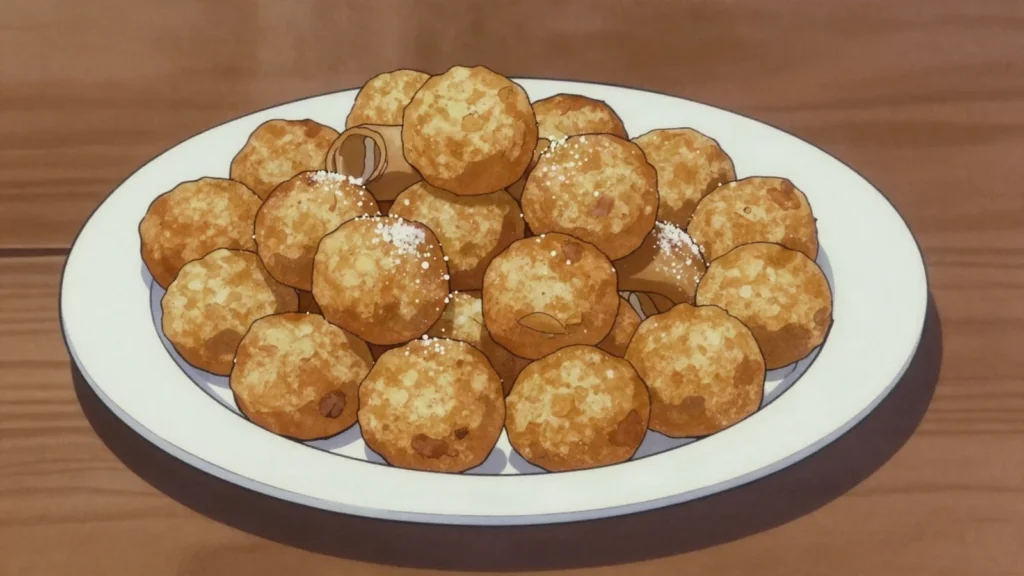
- Kaka means droppings and pizon means pigeon, and the name is entirely literal, describing the knobbly irregular shape; street food names are often that direct and nobody finds it off-putting locally.
- The mixture is a wet sticky batter rather than a dough, dropped in ragged blobs so it fries into knobbly bumpy shapes; a stiff dough would give smooth round balls instead.
- Mofo gasy is the rice flour version and menakely the larger doughnut shape, all sold from the same roadside stalls across Madagascar.
Substitutions
- Warm milk gives a richer batter than water.
- The egg and vanilla can both be left out entirely.
Variations
- Some sellers toss them in sugar and others leave them plain.
- Mofo gasy and menakely are the related fried doughs.
- They are sold in paper bags by the handful at school gates.
History
Malagasy street sellers named these fritters after pigeon droppings for their lumpy shape, and children buy them after school.
Frequently asked questions
What is Kaka pizon?
Kaka pizon is a street food from Madagascar: small knobbly fritters of fried sweetened dough, sold by the bagful. Malagasy street sellers named these fritters after pigeon droppings for their lumpy shape, and children buy them after school.
How long does Kaka pizon take to make?
Kaka pizon takes 20 minutes plus rising of preparation and 25 minutes of cooking. The recipe makes about 40 fritters. It is rated easy to make.
What can I substitute in Kaka pizon?
Yes, within limits. Warm milk gives a richer batter than water. The egg and vanilla can both be left out entirely.
What is the most important thing to get right in Kaka pizon?
Pour oil into a deep pan to eight centimetres. Never fill a pan more than halfway with oil. Heat the oil to about 170C for frying. A scrap of batter should sizzle up at once.