
Ingredients
The fish
- 1 kgfirm white fish
- tuna, kingfish or snapper
- cut into thick steaks or chunks
- or 1 kg octopus, cleaned
- boiled until tender first
- or 1 kg prawns
The spice paste
- 4 tablespoonsyellow mustard seeds
- coarsely ground
- the defining ingredient
- 2 tablespoonsground turmeric
- 12 clovesgarlic, crushed
- a large thumb of ginger, grated
- 4fresh green chillies, sliced
- or to taste
- 1 teaspoonsalt
The liquid
- 150 mlwhite vinegar
- or cane vinegar
- 200 mlmild oil
- sunflower or groundnut
- plus extra for frying
Sometimes added
- 2onions, sliced thinly
- a few curry leaves
- 1 teaspooncumin seeds
- a little sugar, to balance
To serve
- fresh baguette or pain maison
- or plain white rice
- or dholl puri
- at room temperature
Directions
- Grind them coarsely rather than to powder. Soak them for an hour before grinding. Mustard develops its heat when wet. Oil creates exactly that environment. So do not treat this as a shelf-stable preserve. Keep vindaye refrigerated at all times. Do not store it at room temperature for days.
- Discard it if it smells at all wrong. Discard it if the oil looks cloudy or bubbles. Never taste to test a suspect batch. Use a firm fish that holds together. Soft-fleshed fish falls apart entirely. Cut it into thick steaks or large chunks. Thick pieces survive frying and marinating. Rub it with salt and a little turmeric. Let it sit for fifteen minutes. Heat the oil in a wide heavy pan.
- Use enough to come halfway up the pieces. Get it genuinely hot before adding fish. Fry the pieces until golden on both sides. About three minutes a side is right.
- Lift the pieces out and drain them. Set them aside to cool completely. Never leave hot oil unattended at all. Keep a lid within reach of the pan. If oil catches fire, turn off the heat. Pour off most of the frying oil. Leave about three tablespoons in the pan. Add the sliced onion if you are using it.
- Cook it until soft but not browned. Add the garlic, ginger and green chilli. Cook them gently for two minutes. Do not let the garlic brown at all. Add the ground mustard and the turmeric. Mustard loses its pungency in hot oil.
- Stir them into the warm oil thoroughly. Return the pan to a very low heat. Cook it gently for two or three minutes. The oil should turn deep yellow. Stand back, since it will steam sharply. Stir it through and let it bubble briefly.
- Add the salt and taste the paste. It should be sharp, pungent and salty. Add a little sugar if it is too harsh. That is not traditional but it helps. Take the pan off the heat and let it cool. Both must be completely cool first. Warm fish in warm paste spoils faster. Lay the fish in a clean glass or ceramic dish. Do not use a metal dish for this.
- Spoon the paste over the fish pieces. Turn them gently so all sides are coated. Pour the remaining oil over the top. The fish should be well covered. Cover the dish and refrigerate it. Twenty-four hours is the minimum. Turn the pieces once during that time.
- Serve it cold or at room temperature. It is never served hot at all. Take it out of the fridge half an hour ahead. Fridge-cold food tastes of far less. Serve it with fresh bread above all. It was made to keep and to be carried. Keep it covered and always cold. Use a clean spoon every single time. Never put a used spoon back in the dish.
Technique
- Keep vindaye refrigerated and eat it within about a week. Fish stored in oil creates the oxygen-free, low-acid conditions in which botulism can grow, and the vinegar is what makes it safer — so do not reduce it, do not leave the dish at room temperature for days, and do not treat it as a shelf-stable preserve. Botulinum toxin cannot be tasted or smelled and a dangerous batch looks normal, which is exactly why the rule is a rule. Discard anything that smells wrong or where the oil looks cloudy or bubbles.
- Mustard seed is the defining ingredient and four tablespoons is not a mistake. Grind it coarsely, not to powder — some texture is wanted. Soaking the seeds in vinegar for an hour first releases more pungency, since mustard develops its heat only when wet.
- Add the ground mustard and turmeric off the heat. Turmeric scorches and turns bitter, and mustard loses its pungency in hot oil.
- Do not overcook the fish when frying. It firms further in the acid afterwards, and overcooked fish ends up dry and woolly.
- Let both the fish and the paste cool completely before combining them. Warm fish in warm paste spoils considerably faster.
- Use a glass or ceramic dish, never metal. Vinegar reacts with some metals.
- Open a window before the vinegar hits the hot pan. The fumes are sharp and unpleasant to breathe.
- It is not really vindaye until a day has passed. Twenty-four hours is the minimum and forty-eight is better — the mustard mellows and the vinegar softens as the flavours penetrate.
- Vindaye descends from Portuguese vinha d’alhos, wine and garlic, a preserving method carried by ships to India where wine became vinegar and chilli, turmeric and mustard were added. That became Goan vindaloo — the same word, and nothing to do with potatoes. It reached Mauritius with indentured labourers from India, more than four hundred thousand of whom arrived after abolition.
Substitutions
- Octopus replaces fish and is a classic Mauritian version; boil it until tender first, then fry it briefly.
- Prawns replace fish and need only very brief frying.
- Cane vinegar replaces white vinegar and is closer to the original.
- Ground mustard powder replaces whole seeds at a real cost, since the coarse texture is characteristic.
- Any firm white fish works — kingfish, snapper or tuna. Avoid soft-fleshed fish, which disintegrates.
- A little sugar balances a paste that has come out too harsh, though it is not traditional.
Variations
- Vindaye ourite, made with octopus, is probably the most prized version in Mauritius.
- A prawn version is made and eaten more quickly, since prawns do not keep as long.
- Some cooks add sliced onion to the paste, which sweetens and bulks it.
- Goan vindaloo is the direct relative, a hot pork curry rather than a cold pickle.
- Réunion makes closely related mustard-and-turmeric fish preparations.
- A version with far more chilli is made for those who want it fierce.
History
Fish or octopus preserved in mustard seed, turmeric, garlic and vinegar, descended from Portuguese vinha d’alhos by way of India.
Frequently asked questions
What is Vindaye?
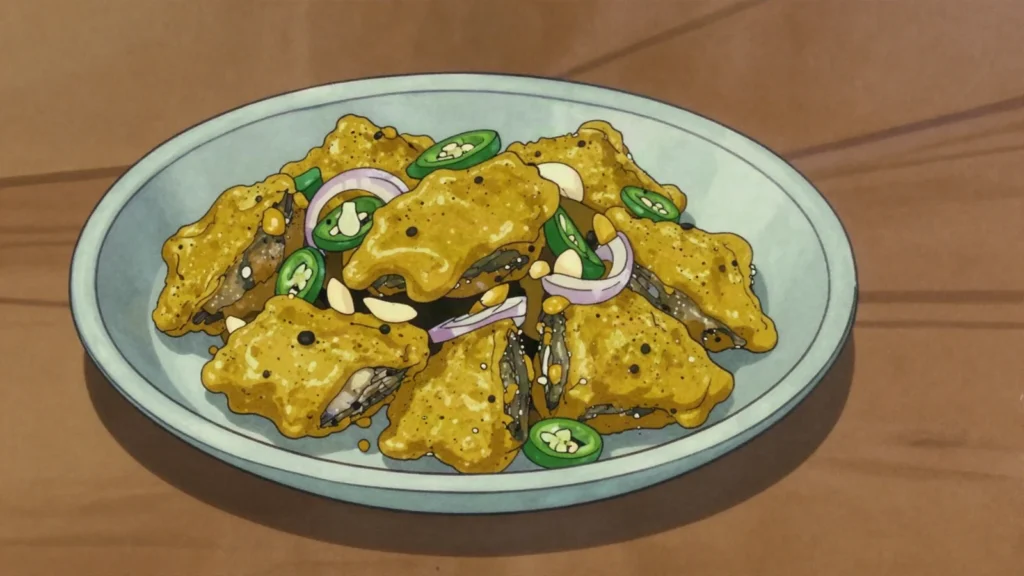
Vindaye is a main from Mauritius: fish or octopus pickled in mustard, turmeric and vinegar. Fish or octopus preserved in mustard seed, turmeric, garlic and vinegar, descended from Portuguese vinha d’alhos by way of India.
How long does Vindaye take to make?
Vindaye takes 30 minutes of preparation and 30 minutes, plus 1 to 2 days marinating of cooking. The recipe makes serves 6. It is rated medium to make.
What can I substitute in Vindaye?
Yes, within limits. Octopus replaces fish and is a classic Mauritian version; boil it until tender first, then fry it briefly. Prawns replace fish and need only very brief frying. Cane vinegar replaces white vinegar and is closer to the original. Ground mustard powder replaces whole seeds at a real cost, since the coarse texture is characteristic. Any firm white fish works — kingfish, snapper or tuna. Avoid soft-fleshed fish, which disintegrates. A little sugar balances a paste that has come out too harsh, though it is not traditional.
What is the most important thing to get right in Vindaye?
Grind them coarsely rather than to powder. Soak them for an hour before grinding. Mustard develops its heat when wet. Oil creates exactly that environment. So do not treat this as a shelf-stable preserve. Keep vindaye refrigerated at all times. Do not store it at room temperature for days.