
Ingredients
Dough
- 1 kgplain flour
- 200 gbutter, melted
- 3eggs
- 100 gsugar
- 1 teaspoonsalt
- 300 mlwarm milk or water
To fry
- mutton fat, rendered, traditionally
- or neutral frying oil
To build the tower
- aaruul, dried curd
- sugar lumps
- boiled sweets in wrappers
- clotted cream or urum
- raisins and dates
Equipment
- khev, carved wooden stamps
- or a fork and a small knife
Directions
- Put the flour, sugar and salt into a very large bowl. Make a well in the centre of it. Beat the eggs into the warm milk. Pour that in along with the melted butter. Bring it together into a dough with your hands. It should be firm and quite stiff. Knead it for a full ten minutes. It should be smooth and elastic when you finish.
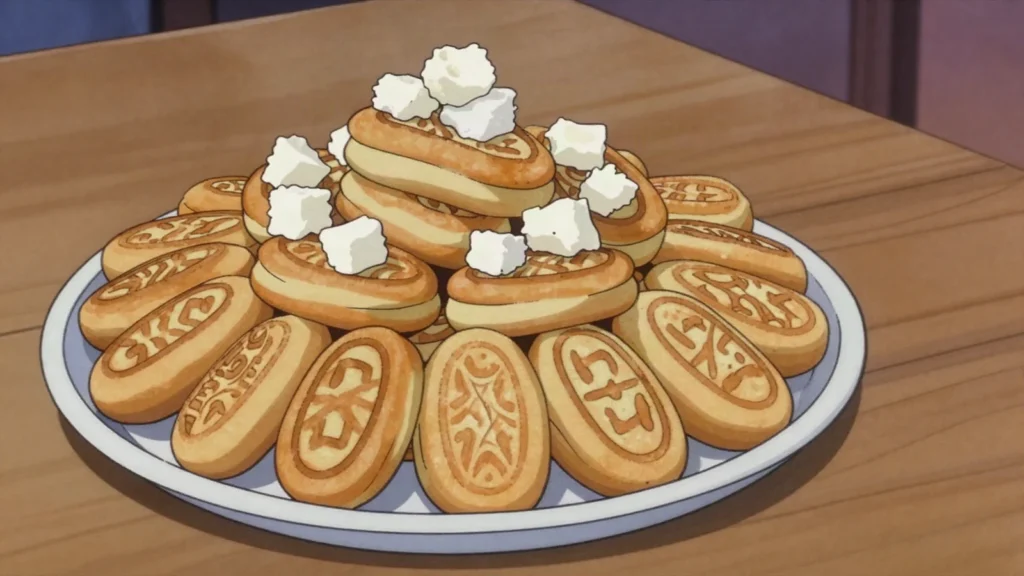
- Cover it and rest it for thirty minutes. Divide the dough into pieces the size of a fist. Roll each one out to about one centimetre thick. Cut it into a long oval shape. The finished cake should look like the sole of a boot.
- Press the stamp firmly into the surface of the dough. The pattern must be deep enough to survive frying. Score a line down the middle and diagonal marks off it. Prick the surface all over with a fork. Those holes stop the cake ballooning in the oil.
- Let the shaped cakes rest for fifteen minutes. Frying them takes patience and moderate heat. Melt the fat or pour oil into a wide deep pan. Heat it to about 160C and check with a thermometer. A hot pan browns the outside before the middle cooks. Fry it for about four minutes on the first side. Spoon hot fat over the top as it cooks.
- Turn it carefully and fry the other side. It should be an even pale gold, not dark brown. Lift it onto a rack and let it drain. The cakes must be entirely cold before stacking. Warm cakes soften and the tower will slump. They also need to be dry rather than greasy. Let them sit for several hours on a rack. They firm up considerably as they cool.
- Lay the first three or four cakes side by side. Arrange them so the pattern faces upward. Lay the next layer across at an angle to the first. Alternating the direction keeps the stack stable.
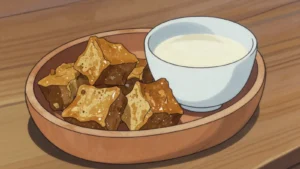
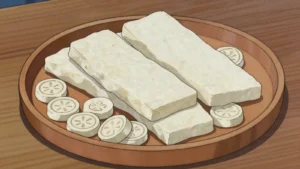
- Continue until you have your odd number of layers. Count carefully because the number carries meaning. Pile aaruul over the top layer of cakes. Add sugar lumps, wrapped sweets and dried fruit. Spoon urum or clotted cream over the top. The whole tower should look generous and full.
Technique
- Tsagaan Sar is the Mongolian lunar new year and the most important family festival of the year.
- The number of layers in the ul boov tower signals the standing and age of the household, and getting it wrong is noticed.
Substitutions
- Neutral oil replaces mutton fat and gives a lighter, less traditional flavour.
- The stamps can be improvised with a knife and fork, though families who own khev value them highly.
Variations
- Some households make the dough sweeter and closer to a biscuit.
- Smaller versions are made for children.
- Related fried breads called boortsog are made in the same dough without the stamping.
History
Stacked in odd-numbered layers at Tsagaan Sar, three for young families and up to nine for elders, each layer alternating hardship and happiness.
Frequently asked questions
What is Ul Boov?
Ul Boov is a bread & pastry from Mongolia: sole-shaped fried cakes stacked into a tower and topped with cream and sweets. Stacked in odd-numbered layers at Tsagaan Sar, three for young families and up to nine for elders, each layer alternating hardship and happiness.
How long does Ul Boov take to make?
Ul Boov takes 1 hour plus resting of preparation and 40 minutes of cooking. The recipe makes about 20 cakes. It is rated medium to make.
What can I substitute in Ul Boov?
Yes, within limits. Neutral oil replaces mutton fat and gives a lighter, less traditional flavour. The stamps can be improvised with a knife and fork, though families who own khev value them highly.
What is the most important thing to get right in Ul Boov?
Press the stamp firmly into the surface of the dough. The pattern must be deep enough to survive frying. Score a line down the middle and diagonal marks off it. Prick the surface all over with a fork. Those holes stop the cake ballooning in the oil.