The fruit of the desert palm — sticky, deeply sweet, tasting of caramel and toffee — that has fed the Middle East and North Africa for six thousand years and is eaten fresh, dried, stuffed, pressed and turned into syrup.
Where it comes from
The date palm was domesticated in Mesopotamia and the Gulf and became the tree of life of the desert world: it grows where little else does, its fruit keeps for years, and it is mentioned constantly in the Quran and the Bible. Iraq, Iran, Egypt, Saudi Arabia and Algeria remain the great producers; California grows the Medjool, a Moroccan variety brought over a century ago. Dates break the Ramadan fast each evening, following the Prophet’s practice.
Dates are picked at three stages and sold at all of them: khalal, hard and yellow or red, crunchy and astringent; rutab, soft and partly ripe; and tamr, fully ripe and dried on the tree or after, which is the date most of the world knows. Varieties differ enormously in texture, from the soft, moist Medjool to the dry, chewy Deglet Noor and the paper-thin-skinned, syrupy Sukkari. Date syrup — dibs — is the honey of Iraq and the Gulf.
Varieties
- Medjool — Large, soft, moist, rich and caramel-like. The eating date; also stuffed with nuts or cheese.
- Deglet Noor — Semi-dry, amber, chewy, honeyed. The Algerian and Tunisian date, and the one most often chopped for baking.
- Sukkari — Saudi; very soft, very sweet, almost melting, with a crisp skin when young. A prized eating date.
- Khudri — Dark, wrinkled, semi-dry Saudi date; a good everyday date.
- Ajwa — Small, dark, soft Medina date with religious significance; delicate flavour.
- Barhi — Eaten yellow and crisp at the khalal stage as well as soft and ripe; a Gulf favourite.
In the kitchen
Stone them by slitting lengthways and lifting out the stone; stuff the cavity with an almond, a walnut, marzipan, cheese or butter. Chopped, they sweeten and bind: in sticky toffee pudding, in Moroccan tagines with lamb, in energy bars and in the Iraqi date-filled ma’amoul and kleicha. Date paste — dates blended with a little water — is a sugar substitute in baking.
Cooked with orange, cinnamon, almonds and lamb they are North Africa; with cardamom and rosewater, the Gulf; with bacon or blue cheese, a modern classic that works because the fat and salt cut the sugar. Date syrup over yoghurt, tahini or bread is Iraq’s breakfast.
Choosing and keeping
Soft dates should be plump, glossy and yielding with unbroken skin; sugar crystals on the surface are harmless. Dry dates are meant to be chewy. Both keep for months in a sealed container in a cool cupboard and a year or more in the fridge.
Pitted dates are convenient but dry out faster. Buy from Middle Eastern grocers around Ramadan, when the choice and freshness are best.
Dishes with date
 Kleichacardamom cookies spiraled with date paste; the national cookie
 Magroodfried semolina and date pastries soaked in honey
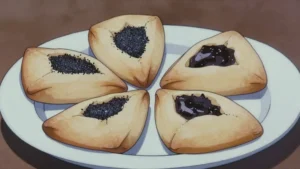 Oznei HamanTriangular filled cookies with poppy seed, chocolate or date, eaten at Purim.
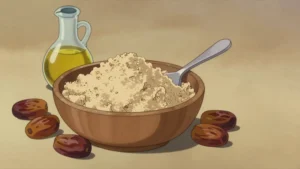 Zummetaroasted barley flour eaten by the handful with dates, oil or water
 QaxwoCoffee brewed with ginger and cardamom, poured sweet in small cups
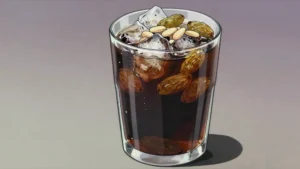 Jallabdate-grape molasses drink with rosewater, pine nuts and crushed ice
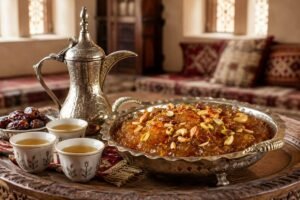 Omani halwaglossy saffron-rosewater confection stirred for hours in copper vats
 KleijaQassim spice cookies filled with date molasses
Dates is tagged on 93 dishes from 37 countries in the atlas. These notes are written from general knowledge and carry no per-fact citation — see About.