
Ingredients
The meat
- 1.2 kglamb shoulder or neck
- on the bone, in large pieces
- or 1.2 kg goat
- fat left on
The base
- 3large onions
- sliced thickly
- 6ripe tomatoes, chopped
- or 1 tin chopped tomatoes
- 2 tablespoonstomato purée
- 100 mlolive oil
The seasoning
- 2 tablespoonsground cumin
- the defining spice here
- 1 teaspoondried oregano
- salt and plenty of black pepper
- 2bay leaves
- optional
The rice or potatoes
- 300 gshort or medium grain rice
- rinsed
- or 1 kg potatoes
- cut into large chunks
- about 600 ml water or stock
To serve
- village bread
- a bowl of plain yoghurt
- a Cypriot village salad
- olives and halloumi
- lemon wedges
Directions
- Toast them briefly in a dry pan. Toast until they smell strongly nutty. Grind them once they have cooled. That tissue melts to gelatine over hours. Cut the meat into large pieces. Unglazed clay must be soaked before use. Soak it in cold water for twenty minutes. The wet clay steams gently as it heats.
- Start it in a cold oven and heat together. A metal casserole can go into a hot oven. Put the sliced onions in the pot first. Use thick slices rather than fine ones. They also stop it catching on the base.
- Lay the meat pieces on the onions. Scatter over the cumin and the oregano. Season generously with salt and black pepper. Do not be shy with the pepper here.
- Add the chopped tomatoes over the meat. Add the tomato purée to the pot as well. Pour the olive oil over everything. Add the bay leaves if you are using them. Add water or stock to come partway up. About three hundred millilitres to start.
- Use a lid, or foil pressed down firmly. The seal keeps the steam inside. Set the oven to one hundred and sixty degrees. Bake it covered for about two hours. Do not open it during that time. Add enough hot water or stock to cover.
- Taste the liquid before adding the rice. It should be strongly seasoned already. Cover it again and return it to the oven. Bake for another thirty to forty minutes. The rice should absorb all the liquid. Cut the potatoes into large chunks. They need about forty-five minutes. Bake uncovered for fifteen minutes. Watch that it does not dry out.
- Take the pot out and let it rest. Rest it for ten minutes before serving. Use proper oven gloves and warn the table. Serve it straight from the pot. Leftovers keep three days in the fridge. Add a splash of water before reheating.
Technique
- Two tablespoons of cumin is not a mistake. It is what makes ttavas taste like ttavas, and Cypriot cooking uses cumin heavily. Toasting and grinding whole seeds makes a real difference over packet ground cumin, which fades within months.
- An unglazed clay tava must be soaked before use and started in a cold oven. Thermal shock cracks clay, and the wet clay also steams gently as it heats, which is part of how the dish stays moist. A heavy metal casserole can go straight into a hot oven.
- Taste the liquid before the rice goes in. It should be strongly seasoned already, because the rice dilutes it considerably. This is the one moment that decides whether the dish is bland.
- Use shoulder or neck on the bone, and do not trim the fat. Two and a half hours rewards connective tissue and punishes lean meat, and the rendering fat bastes the rice.
- Do not add much liquid at the start. The meat and tomatoes release a great deal, and a sealed pot loses none of it.
- The rice is meant to be soft, not separate. This is not a pilaf, and grains that hold their shape mean it was underdone.
- Village bakers cooked bread first at high heat and then let the falling heat cook the sealed pots brought in by households. A low steady home oven reproduces that exactly.
- The word tava travels — Turkish tava, Albanian tavë, and the same pattern of naming a dish for its pot. Cyprus sits at a crossroads of Greek, Turkish, Levantine and Venetian influence, and the atlas records that without adjudicating origins.
Substitutions
- Goat replaces lamb and is used in some villages; it is leaner, so watch the timing.
- Potatoes replace rice entirely and are perhaps the more common version now; add them at the same point and give them forty-five minutes.
- Beef shin works with the same method, though it is not traditional.
- Tinned chopped tomatoes replace fresh out of season.
- A heavy lidded casserole replaces the clay tava with no real loss beyond the presentation.
- Ground cumin replaces toasted whole seeds; use a little more to compensate for the lost aroma.
Variations
- Ttavas with potatoes rather than rice is at least as common and is what many households make.
- Some cooks add a handful of chickpeas alongside the rice.
- A chicken version cooks in about half the time and is lighter.
- Kleftiko is the other great Cypriot slow-baked lamb dish, sealed in parchment or clay with no rice or tomato.
- Related tava dishes are made across Turkey, Albania, Kosovo and the Balkans with local seasonings.
- Some villages add a cinnamon stick, giving a sweeter and more Levantine character.
History
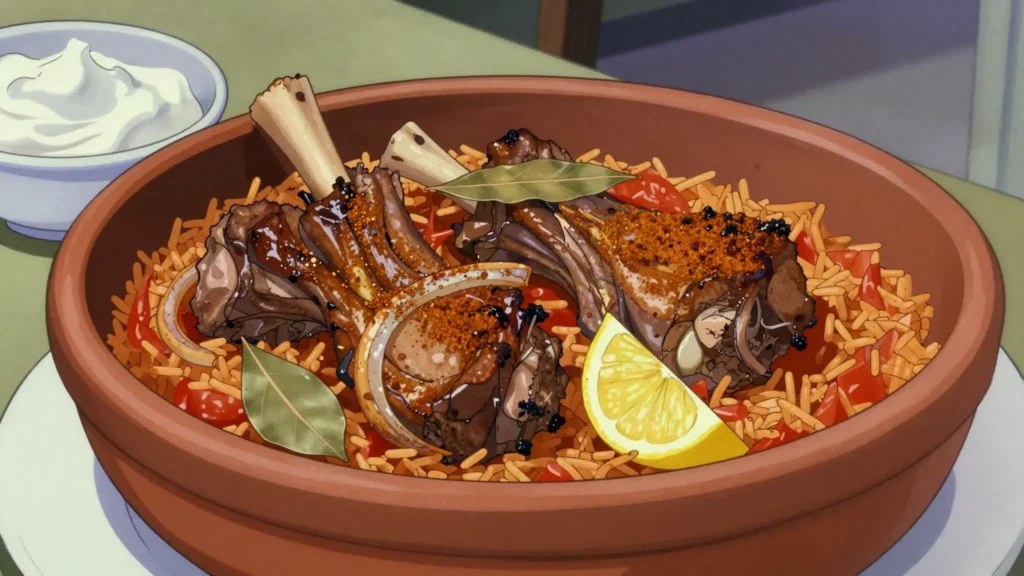
Named for the tava clay pot it bakes in; village bakers once cooked the sealed pots in communal wood-fired ovens.
Frequently asked questions
What is Ttavas?
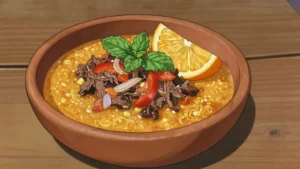
Ttavas is a main from Cyprus: lamb, rice, tomato and cumin baked slowly in a clay pot. Named for the tava clay pot it bakes in; village bakers once cooked the sealed pots in communal wood-fired ovens.
How long does Ttavas take to make?
Ttavas takes 25 minutes of preparation and 2 hours 30 minutes of cooking. The recipe makes serves 6. It is rated easy to make.
What can I substitute in Ttavas?
Yes, within limits. Goat replaces lamb and is used in some villages; it is leaner, so watch the timing. Potatoes replace rice entirely and are perhaps the more common version now; add them at the same point and give them forty-five minutes. Beef shin works with the same method, though it is not traditional. Tinned chopped tomatoes replace fresh out of season. A heavy lidded casserole replaces the clay tava with no real loss beyond the presentation. Ground cumin replaces toasted whole seeds; use a little more to compensate for the lost aroma.
What is the most important thing to get right in Ttavas?
Toast them briefly in a dry pan. Toast until they smell strongly nutty. Grind them once they have cooled. That tissue melts to gelatine over hours. Cut the meat into large pieces. Unglazed clay must be soaked before use. Soak it in cold water for twenty minutes. The wet clay steams gently as it heats.