
Ingredients
Coffee
- 30 gwashed Papua New Guinea arabica, from the Wahgi Valley, Eastern Highlands or Jiwaka, grown 1,500–1,900 m
- typically Typica, Bourbon, Arusha or Blue Mountain descendants, planted from 1930s Jamaican seed
- roasted medium – through first crack, stopped well before second
- rested 5–12 days
Water
- 500 mlfiltered water at 94–96°C (200–205°F)
- around 100 ppm total hardness
Equipment
- cafetiere (French press) or flat-bottom filter brewer
- scale and timer
- a coarse burr grind, about 1000 microns
Directions
- Know the source: most PNG Highlands coffee is not estate coffee but garden coffee, grown by smallholders on plots of a few hundred trees among food gardens, then carried to a village wet mill or sold as cherry at the roadside.
- The cherry is hand-picked ripe, pulped in a hand-cranked machine, fermented in a tank or drum for 12–36 hours until the mucilage slips off, washed in a stream, and sun-dried on raised beds or tarpaulins for one to two weeks to 11 per cent moisture. This full washed process gives the clean, bright, structured cup PNG is known for.
- Grind coarsely, immediately before brewing. A fine grind in a cafetiere gives sludge and bitterness.
- Preheat the cafetiere with boiling water and discard it, so the brew does not lose heat in the first minute.
- Add the grounds and pour in 500 ml of water at 94–96°C (200–205°F) in one steady go, wetting everything. Start the timer.
- At 4 minutes, break the floating crust with a spoon by stirring three times, then skim off the foam and any floating grounds with two spoons and discard them – this removes most of the fines and bitterness.
- Leave it undisturbed a further 4 minutes so the remaining grounds settle to the bottom.
- Press the plunger down only just below the surface of the liquid – do not force it to the bottom, which stirs the bed back up.
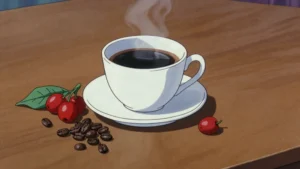
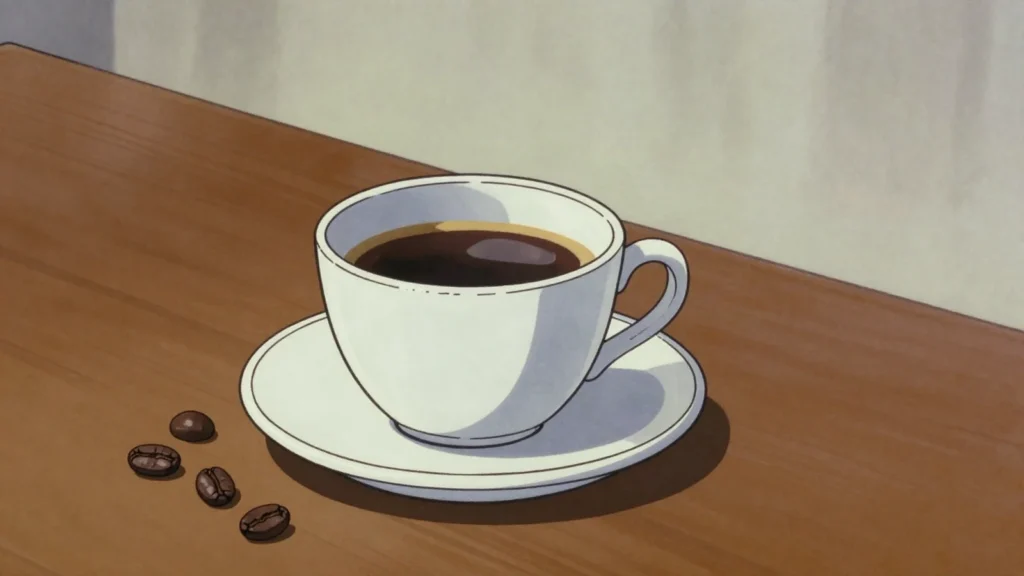
- Pour gently into preheated cups, leaving the last centimetre behind. The cup should show cocoa, brown sugar and a firm winey acidity, with the tropical-fruit sweetness typical of the Highlands. Drink black, or with a little sugar, as it is drunk in PNG.
Technique
- Papua New Guinea sits genetically close to Jamaica Blue Mountain because much of its arabica came from Jamaican seedlings introduced in the 1930s, which is why the cup is often described as clean and balanced rather than exotic.
- Smallholder garden coffee means quality varies enormously batch to batch. Look for a named cooperative or district – Kigabah, Baroida, Sigri, Kindeng – rather than a generic PNG label.
- Never pour water at a full rolling boil onto coffee; it scalds the grounds and pulls harsh, papery flavours. Let the kettle stand 30 seconds after boiling.
Substitutions
- No cafetiere? A flat-bottom paper filter brewer at the same ratio, 60 g per litre, gives a cleaner cup with the same character.
- If you cannot find PNG coffee, a washed Indonesian or Timorese arabica from similar altitudes is the nearest regional match.
Variations
- Y-grade or natural-processed PNG lots, dried in the cherry, fruitier and less clean.
- PNG coffee pulled as espresso, which suits its body and chocolate notes well.
- Village-roasted coffee, roasted in a pan over an open fire and pounded, as it is often drunk in the Highlands themselves.
History
Arabica from Jamaican Blue Mountain seed was planted in the Highlands in 1937; smallholder garden blocks still produce most of the national crop.
Frequently asked questions
What is Highlands Coffee?
Highlands Coffee is a drink from Papua New Guinea: bright arabica grown in small garden plots above fifteen hundred metres. Arabica from Jamaican Blue Mountain seed was planted in the Highlands in 1937; smallholder garden blocks still produce most of the national crop.
How long does Highlands Coffee take to make?
Highlands Coffee takes 10 min of preparation and 5 min brew (plus washing and drying at origin) of cooking. The recipe makes 2 cups (500 ml brewed). It is rated easy to make.
What can I substitute in Highlands Coffee?
Yes, within limits. No cafetiere? A flat-bottom paper filter brewer at the same ratio, 60 g per litre, gives a cleaner cup with the same character. If you cannot find PNG coffee, a washed Indonesian or Timorese arabica from similar altitudes is the nearest regional match.
What is the most important thing to get right in Highlands Coffee?
Press the plunger down only just below the surface of the liquid – do not force it to the bottom, which stirs the bed back up.