
Ingredients
The meat
- 1.5 kggoat leg or shoulder
- cut into 4 cm cubes
- or 1.5 kg beef chuck or brisket
- trimmed of heavy fat
- or turkey thigh, for tassot dinde
The wash
- juice of 4 sour oranges
- or juice of 3 limes
- plus juice of 1 orange
- 2 tablespoonswhite vinegar
- plenty of cold water
The epis marinade
- 1large onion, roughly chopped
- 1green pepper, chopped
- 8 clovesgarlic
- 4spring onions
- a large handful parsley
- a small handful thyme leaves
- 2cloves
- 1Scotch bonnet chilli
- seeded, or left whole
- 3 tablespoonsoil
- juice of 2 limes
- 1 tablespoonsalt
- 1 teaspoonblack pepper
For cooking
- 500 mlwater or beef stock
- 1 litremild oil, for frying
- or enough to half cover the meat
To serve
- pikliz, Haitian pickled slaw
- fried plantain, bannann peze
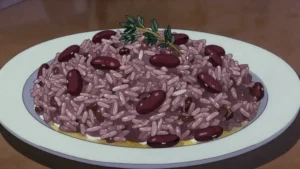
- rice and beans, diri kole
- lime wedges
- sos ti malis, onion sauce
Directions
- Salt, acid and heat all worked against spoilage. Start with the wash, which Haitians never skip. Put the cut meat into a large clean bowl. Cover it with cold water and add the vinegar. Add the juice of the sour oranges or limes. Rub the meat hard between your hands in the liquid.
- Work over every surface of every piece of meat. Drain it away and repeat with fresh water and acid. Rinse it finally under cold running water. Pat every piece dry with kitchen paper. Wash the sink, taps and surfaces afterwards. Wash your hands thoroughly with soap as well.
- Keep the raw meat away from anything ready to eat. Cooking kills bacteria, but splashes do not get cooked. Put the onion and green pepper into a blender. Add the garlic, spring onions and the herbs. Add the cloves and the Scotch bonnet chilli. It transfers to eyes hours later and burns badly.
- Add the oil, lime juice, salt and black pepper. Blend everything into a coarse green paste. It should not be completely smooth like a purée. Rub the epis thoroughly into the washed meat. Use your hands and work it into every crevice. Cover the bowl and refrigerate it overnight. Twenty-four hours is better if you have the time.
- Tip the meat and all its marinade into a heavy pot. Add the water or stock to barely cover it. Bring it to a boil and then lower the heat. Cover the pot and simmer it steadily. Goat needs about an hour and a half to soften. Boil off the liquid until the pot is nearly dry.
- Stir often so nothing catches and burns. The meat should be coated in thick, dark seasoning. Lift the meat out and spread it on a rack or tray. Let it dry and cool for at least an hour. Some cooks dry it in the sun for several hours. Fill it no more than one third full of oil.
- Oil expands and bubbles up when food goes in. Never leave hot oil unattended for a moment. Keep a well fitting lid within arm’s reach. If oil ever catches fire, turn off the heat.
- Heat the oil to about one hundred and eighty degrees. It should bubble steadily but not violently. Fry the meat in small batches, never all at once. Fry each batch for about five to eight minutes. It should darken and the edges should crisp.
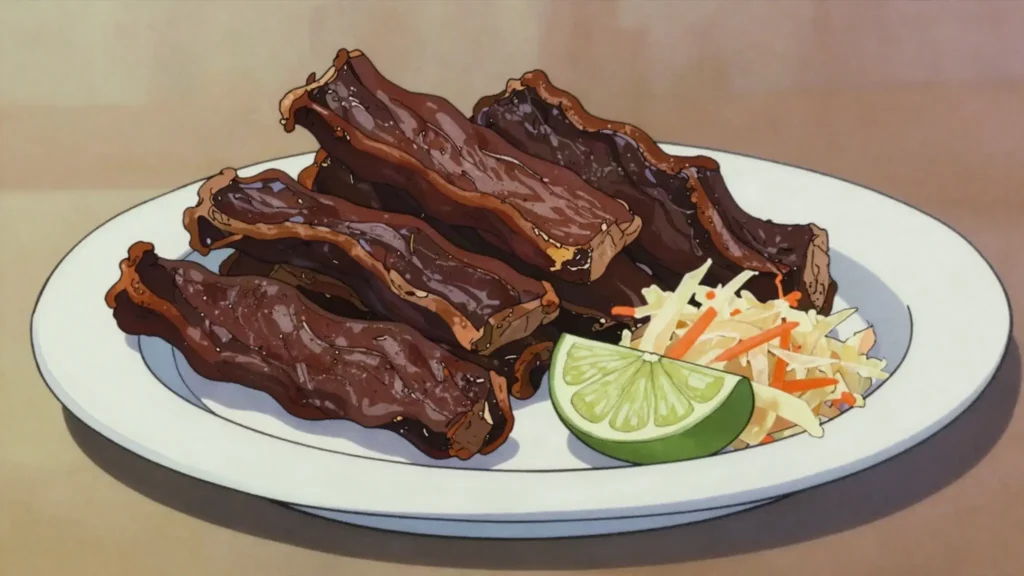
- Lift each batch out with a slotted spoon. Drain it on a rack over kitchen paper. Let the oil come back to temperature between batches. Sprinkle a little salt over while it is still hot. Squeeze fresh lime juice over just before serving. Serve tassot hot with pikliz piled beside it. It is fiercely hot and sharply sour.
Technique
- Chewiness is the defining quality of tassot, not a failure. Meat that falls apart has been braised too long or fried too briefly. It is dried on purpose so that it holds together and takes on a dense, concentrated bite.
- Washing meat in citrus and vinegar is a universal Haitian practice and it is part of the dish. It also splashes bacteria around a kitchen, so wash the sink, taps, surfaces and your hands afterwards and keep raw meat away from anything ready to eat.
- Scotch bonnets are among the hottest chillies commonly sold. Wear gloves, and remember the oil clings to skin for hours and transfers to eyes long after you have washed your hands. Adding the chilli whole gives fragrance without the full heat.
- Deep-frying rules matter here: fill the pot no more than a third, never leave it unattended, keep a lid within reach, and if the oil ever catches fire turn off the heat and smother it with the lid. Never throw water on burning oil — it flashes to steam and turns a small fire into a serious one.
- The meat must be genuinely dry before it meets the oil. Wet meat spits violently, and the drying step is what makes this tassot rather than a stew.
- Epis is the seasoning base behind most Haitian savoury cooking, and most households keep a jar of it made up in the fridge. Making a double batch here is standard practice.
Substitutions
- Goat is the classic meat and beef is the most common alternative. Turkey thigh makes tassot dinde, which is widely eaten and cheaper.
- Sour oranges are traditional for the wash. Lime juice with a little sweet orange juice is the standard substitute where they are not sold.
- White vinegar or lemon juice replaces the sour orange in the wash if nothing else is available.
- A habanero replaces a Scotch bonnet closely in heat and in fruitiness.
- Any neutral oil with a high smoke point suits the frying; groundnut and sunflower are both fine.
- Bought epis from a Caribbean shop saves time, though home-made is fresher and better.
Variations
- Tassot kabrit, made with goat, is the version served at celebrations and is considered the best.
- Tassot dinde, made with turkey, is the everyday and more affordable version.
- Griot is the closely related Haitian pork dish, marinated in epis and fried, but braised rather than dried and much softer inside.
- Some cooks skip the braising entirely and dry the raw marinated meat before frying, which gives a much tougher and more jerky-like result.
- A version finished with a splash of the reduced braising liquid poured over the fried meat is made in some households.
- Sun-dried tassot, left out for a full day before frying, is the older method and gives the deepest flavour.
History
Goat or beef marinated, dried and fried hard, a preservation method that suited Haitian households without refrigeration.
Frequently asked questions
What is Tassot?
Tassot is a main from Haiti: dried marinated beef or goat, fried and served with pikliz. Goat or beef marinated, dried and fried hard, a preservation method that suited Haitian households without refrigeration.
How long does Tassot take to make?
Tassot takes 30 minutes plus overnight marinating and drying of preparation and 1 hour 30 minutes of cooking. The recipe makes serves 6. It is rated medium to make.
What can I substitute in Tassot?
Yes, within limits. Goat is the classic meat and beef is the most common alternative. Turkey thigh makes tassot dinde, which is widely eaten and cheaper. Sour oranges are traditional for the wash. Lime juice with a little sweet orange juice is the standard substitute where they are not sold. White vinegar or lemon juice replaces the sour orange in the wash if nothing else is available. A habanero replaces a Scotch bonnet closely in heat and in fruitiness. Any neutral oil with a high smoke point suits the frying; groundnut and sunflower are both fine. Bought epis from a Caribbean shop saves time, though home-made is fresher and better.
What is the most important thing to get right in Tassot?
Salt, acid and heat all worked against spoilage. Start with the wash, which Haitians never skip. Put the cut meat into a large clean bowl. Cover it with cold water and add the vinegar. Add the juice of the sour oranges or limes. Rub the meat hard between your hands in the liquid.