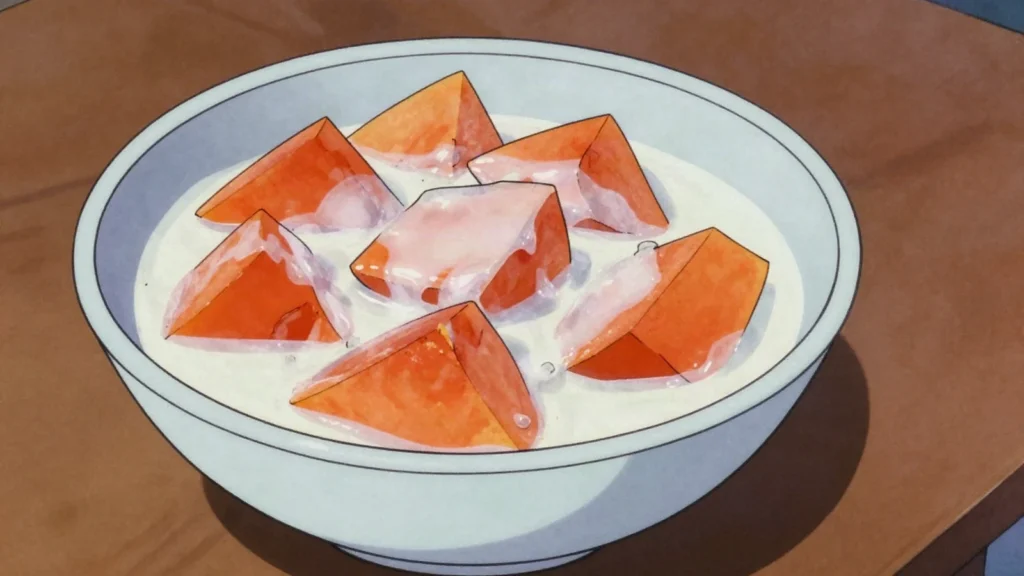

Ingredients
The fruit
- 1large ripe papaya
- about 1.2 kg
- peeled, seeded
- cut into thick chunks
The coconut
- 400 mlthick coconut cream
- pe’epe’e
- or tinned coconut cream
- 200 mlwater
To sweeten and flavour
- 80 gsugar
- or to taste
- 2lemon leaves
- or a strip of lemon peel
- a pinch of salt
To serve
- hot from the pot
- or well chilled
- in bowls
- with a spoon
Directions
- Discard anything actually fermenting though. Pe’epe’e is the Samoan thick coconut cream. Use the thick cream rather than thin milk. Coconut cream splits if it is boiled hard. Keep the heat low once it goes in. Never let it come to a rolling boil.
- Cook it briefly rather than at length. Cut the papaya in half lengthways. Use a sharp knife on a firm board. Cut a flat slice off one side first if needed. That stops it rolling under the knife. Scoop the black seeds out with a spoon. They do not belong in this dish though. Discard them or keep them for that use. Peel the papaya halves with a knife or peeler. A vegetable peeler works on firm fruit.
- Take off just the thin green-orange skin. Cut the peeled flesh into thick chunks. About three centimetres is a reasonable size. Keep them chunky rather than fine. Put the water, sugar and lemon leaves in a pan. Warm it gently until the sugar dissolves. Let it simmer for about three minutes. Add the papaya chunks to the pan.
- Arrange them in a single layer if you can. They should be partly covered by the liquid. Add a splash more water if they are not. Simmer the papaya gently until just tender. Give it about eight minutes at a gentle simmer.
- Take it off while the pieces still hold. Do not stir it vigorously as it cooks. Shake the pan gently instead of stirring. Pour the coconut cream in and lower the heat. Turn the heat right down before it goes in. Pour it in gently around the papaya. Stir it through very gently indeed. Never let it boil after that point.
- Warm it through for about five minutes only. It should steam without bubbling hard. Add a pinch of salt and taste the sweetness. Salt sharpens the sweetness considerably. It should not taste salty at all.
- Taste before adding more sugar. It should be sweet but not cloying. Lift out the lemon leaves before serving. Serving it hot is the first option here. Spoon the warm supoesi into bowls. It is served warm rather than piping hot. Let it stand a few minutes first. It is genuinely comforting served warm.
- Chill the supoesi thoroughly before serving. Give it at least three hours in the refrigerator. Stir it gently before serving. Spoon it into bowls with plenty of cream. Each bowl should have both fruit and cream. Spoon it over generously rather than sparingly. It keeps three days refrigerated in a covered bowl. Stir it gently before serving it again.
Technique
- Coconut cream splits into oil and watery liquid if boiled hard, giving a greasy dish that cannot really be brought back. Add it with the heat turned right down, warm it through about five minutes with only small bubbles at the edge, and never let it boil.
- Ripe papaya softens genuinely quickly and collapses to mush if overcooked, which is the commonest fault here. Give it about eight minutes and test with a knife tip — it should give easily without falling apart — and shake the pan rather than stirring, since the pieces break very easily.
- Scrape every one of the black seeds out along with the fibres: they are sharply peppery and unpleasant in a dessert, though they are edible and used as a seasoning elsewhere.
Substitutions
- Tinned coconut cream replaces freshly squeezed pe’epe’e; use the thick cream rather than thin milk. A strip of lemon peel or a kaffir lime leaf replaces the lemon leaves, though lemon leaf is softer and more floral than peel.
- It is genuinely served both hot and well chilled, and neither is more correct — Samoan households do both. Chilled it thickens considerably, with the coconut cream setting almost like a custard around the soft fruit.
Variations
- The papaya must be genuinely ripe, orange right through and yielding to gentle pressure — green papaya is a savoury vegetable entirely and does not work here. Slightly overripe fruit is ideal, since that is exactly what this dish exists to use, though discard anything actually fermenting.
- Cut the flesh into thick three-centimetre chunks: large pieces hold together where small ones dissolve into the cream entirely. Cut a flat slice off one side of the fruit first if it rolls under the knife, since ripe papaya is slippery.
- A pinch of salt sharpens the sweetness and brings the coconut forward, and ripe papaya is already sweet enough that it may need little added sugar. Lift the lemon leaves out before serving, since they are tough and not eaten.
History
A Samoan way to use papaya that ripens faster than it can be eaten fresh, sweetened with sugar and lemon leaf.
Frequently asked questions
What is Supoesi?
Supoesi is a dessert from Samoa: ripe papaya simmered in sweetened coconut cream; eaten hot or chilled. A Samoan way to use papaya that ripens faster than it can be eaten fresh, sweetened with sugar and lemon leaf.
How long does Supoesi take to make?
Supoesi takes 15 minutes of preparation and 25 minutes of cooking. The recipe makes serves 6. It is rated easy to make.
What can I substitute in Supoesi?
Yes, within limits. Tinned coconut cream replaces freshly squeezed pe’epe’e; use the thick cream rather than thin milk. A strip of lemon peel or a kaffir lime leaf replaces the lemon leaves, though lemon leaf is softer and more floral than peel. It is genuinely served both hot and well chilled, and neither is more correct — Samoan households do both. Chilled it thickens considerably, with the coconut cream setting almost like a custard around the soft fruit.
What is the most important thing to get right in Supoesi?
Discard anything actually fermenting though. Pe’epe’e is the Samoan thick coconut cream. Use the thick cream rather than thin milk. Coconut cream splits if it is boiled hard. Keep the heat low once it goes in. Never let it come to a rolling boil.