The soft, orange-fleshed, musky fruit of a tropical American tree — eaten ripe with lime for breakfast across the tropics, and green and crunchy in the salads of Thailand and Laos, where it is a vegetable.
Where it comes from
The papaya — pawpaw in the Caribbean, Africa and Australia — is native to southern Mexico and Central America and was carried by the Spanish to the Philippines and from there through Asia in the sixteenth century; it grows fast and fruits within a year, which is why it is everywhere in the tropics. India, Brazil, Indonesia and Mexico grow the most. Its enzyme, papain, tenderises meat and is the active ingredient in commercial meat tenderisers.
Ripe, the fruit is soft, sweet and faintly musky, and it is almost always eaten with a squeeze of lime, which sharpens it; on its own it can taste flat. Green, it is hard, white-fleshed and crunchy with almost no flavour of its own, and shredded green papaya is the base of som tam, the pounded Thai salad with lime, fish sauce, chilli, palm sugar and peanuts, and of the Lao and Vietnamese versions. The seeds are peppery and edible.
Varieties
- Solo / Hawaiian (Sunrise, Strawberry) — Small, pear-shaped, with sweet salmon-pink flesh; the best eating papaya.
- Maradol / Mexican — Very large, elongated, with orange-red flesh; milder and more watery.
- Formosa and Red Lady — Large Asian and Latin American varieties, red-fleshed, sweet; common in export.
- Green papaya — Any variety picked unripe, firm and white; for Southeast Asian salads and Filipino atchara pickle.
- Babaco and mountain papaya — Andean relatives, tarter and more fragrant.
In the kitchen
Ripe: halve, scoop out the black seeds, peel and cube or slice, and squeeze lime over it; that is breakfast across the tropics. Blended with lime and milk or coconut it is a drink. It does not cook well — heat turns it to mush and brings out the muskiness.
Green: peel, seed and shred on a mandoline or with a papaya shredder, then pound lightly in a mortar with garlic, chilli, palm sugar, lime and fish sauce, adding dried shrimp, tomato and peanuts for som tam. Grated green papaya is also a traditional meat tenderiser wrapped around tough cuts.
Choosing and keeping
A ripe papaya is yellow to orange over most of its skin and yields to gentle pressure; the flesh should smell sweet, not fermented. Ripen green-yellow fruit at room temperature for a few days, then refrigerate and eat within two or three.
For salads, buy fully green, hard papaya from Asian grocers; it keeps a week or more in the fridge. Shredded green papaya can be held in cold water for a few hours.
Dishes with papaya
 Rosero quiteñoCold drink of hominy, fruit and spices, spooned from a glass
 Nom PangCrusty baguette stuffed with pâté, pork and pickled papaya
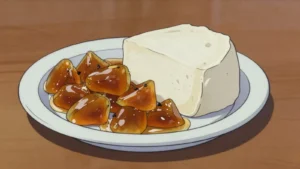 Dulce de mamónPapaya candied in caramel syrup, served with Paraguay cheese
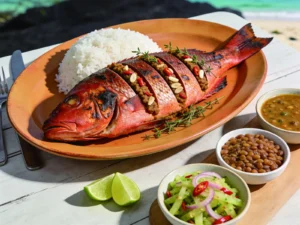 Pwason griyegrilled catch-of-the-day with garlic, ginger and chili baste
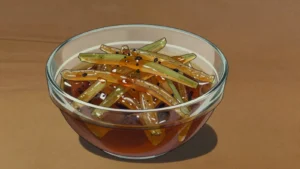 Dulce de lechosaGreen papaya slices candied in spiced syrup, Christmas sweet
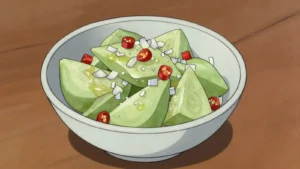 Satini papaygrated green papaya chutney with lime
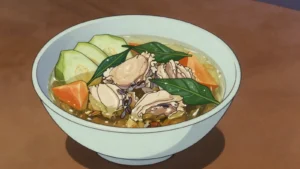 TinolaGinger chicken soup with green papaya and chili leaves
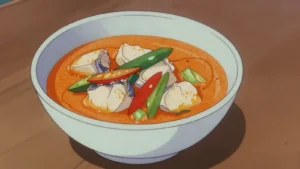 Gaeng SomSour orange curry of fish and vegetables, sharp with tamarind and no coconut
Papaya is tagged on 34 dishes from 21 countries in the atlas. These notes are written from general knowledge and carry no per-fact citation — see About.