
Breadfruit fermented in leaf-lined pits, its sour dough baked into dense cakes. It is a Samoan hurricane store, buried and left for months or years, and the smell when a pit is opened is famous.
It is an anaerobic pit ferment held for months or years under earth and stone; a shortened bucket version has neither the acidity nor the seal that make the traditional pit work.
What goes into it
- breadfruit
- banana or ti leaves to line the pit
- stones and earth to seal it
How it is made
A pit is dug and lined thickly with leaves. Peeled breadfruit is packed in, covered with more leaves, weighted with stones and sealed with earth. Cut off from air, lactic bacteria acidify the mass over months into a dense sour paste that keeps for years, and it is dug out as needed, kneaded with coconut cream and baked.
How long it takes: months at minimum; pits are kept for years
How it is eaten
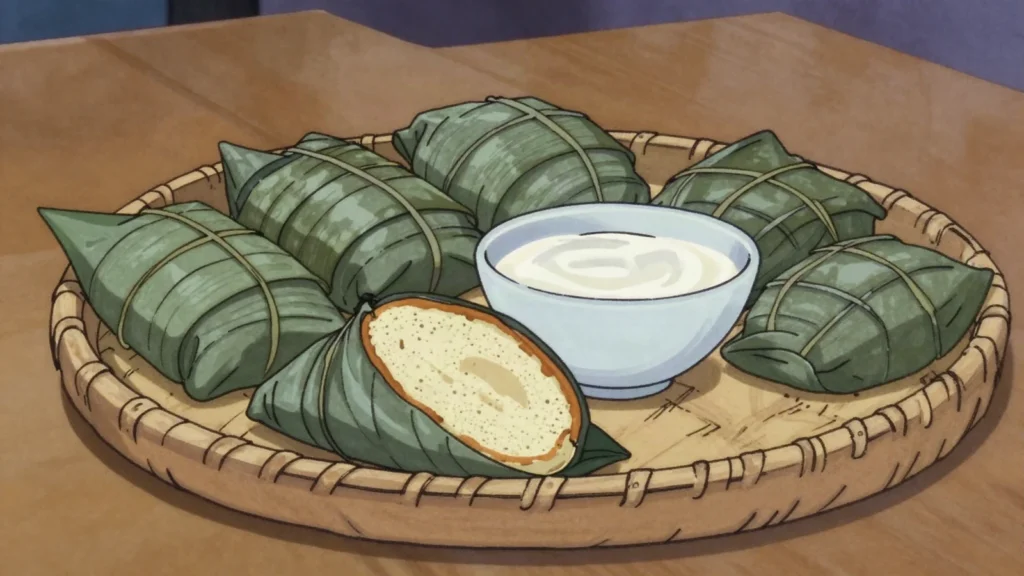
Kneaded with coconut cream, wrapped in leaves and baked into dense sour cakes.
History
A Samoan hurricane store, buried and left for months or years, its smell famously strong when the pit is opened.
Frequently asked questions
What is Masi?
Masi is a fermented & pickled from Samoa: breadfruit fermented in leaf-lined pits; sour dough baked into dense cakes. A Samoan hurricane store, buried and left for months or years, its smell famously strong when the pit is opened.
How is Masi made?
A pit is dug and lined thickly with leaves. Peeled breadfruit is packed in, covered with more leaves, weighted with stones and sealed with earth. Cut off from air, lactic bacteria acidify the mass over months into a dense sour paste that keeps for years, and it is dug out as needed, kneaded with coconut cream and baked. It takes months at minimum; pits are kept for years.
Can I make Masi at home?
No, and the atlas gives no method for it. It is an anaerobic pit ferment held for months or years under earth and stone; a shortened bucket version has neither the acidity nor the seal that make the traditional pit work.
What goes into Masi?
Breadfruit, banana or ti leaves to line the pit, stones and earth to seal it.
How is Masi eaten?
Kneaded with coconut cream, wrapped in leaves and baked into dense sour cakes.