
Ingredients
The vegetables
- 3potatoes, cubed
- 3carrots, sliced
- 2courgettes, cubed
- 1small cauliflower, in florets
- 2onions, chopped
- 3celery sticks, sliced
- 200 gfresh peas
- or broad beans
- 2tomatoes, chopped
The broth
- 2 litreswater
- or light vegetable stock
- 1 tablespoontomato purée
- 3 tablespoonsolive oil
- 2bay leaves
- salt and black pepper
To finish
- 6fresh ġbejniet
- small Maltese cheeselets
- or 6 small fresh goat cheeses
- 6eggs
- one per bowl
To serve
- Maltese bread
- ħobż tal-Malti
- olive oil, to drizzle
- hot from the pot
Directions
- Cook the egg fully through if that is a concern. Wash and cut all the vegetables into chunks. Cut them into pieces about three centimetres. Keep them roughly even in size. That way they cook at about the same rate. Break the cauliflower into medium florets. Keep them large rather than very small. Heat the olive oil in a large heavy pot. Add the onion and celery to the hot oil.
- Cook them for about eight minutes until soft. They should soften without browning much. Add the chopped tomato and the tomato purée. Cook them for about five minutes together. The tomato should collapse and darken slightly. Add the potato and carrot to the pot. These take the longest of all the vegetables. Stir them through the tomato base briefly.
- Pour in the water or stock and add the bay. It should cover everything generously. Add more if it looks at all short. Bring it to a boil and then reduce to a simmer. Give the potato and carrot about fifteen minutes. Add the cauliflower, courgette and peas. Give them about fifteen minutes in the pot.
- Season the broth well with salt and pepper. A vegetable broth needs decisive seasoning. Salt is doing most of the work here. Taste it carefully and add until it lifts. Give them about five minutes in the hot broth. Add them near the very end of cooking. Crack an egg into the soup for each bowl. Bring the soup to a bare simmer first. It must be barely trembling rather than bubbling.
- Turn the heat right down before they go in. Crack each egg into a small cup first. Give them about four minutes at a bare simmer. Cover the pot to help the tops set. Six eggs need a genuinely wide pot. Work in two batches if the pot is narrow. Ladle the soup into deep bowls carefully.
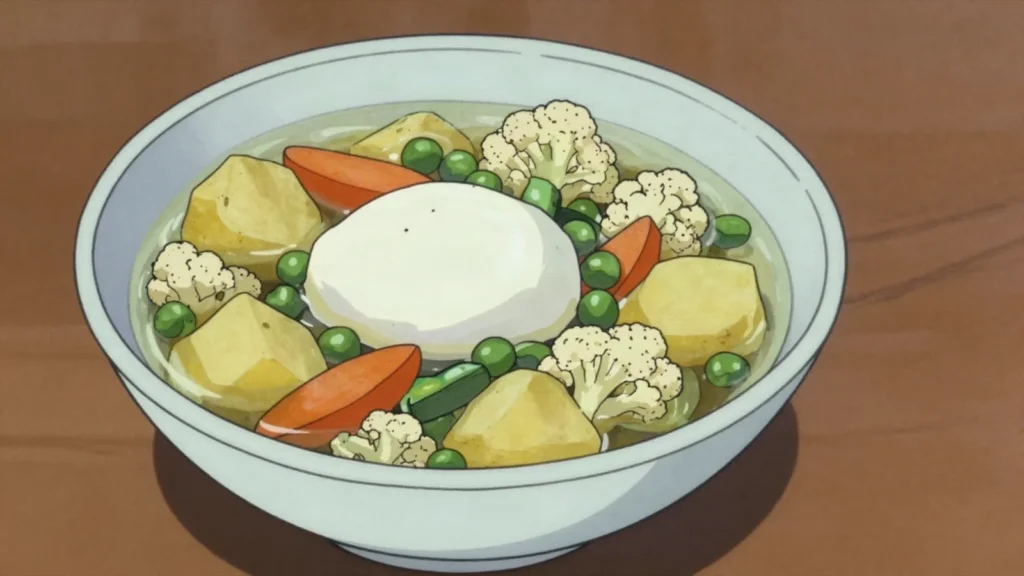
- Lift one egg and one cheeselet into each bowl. That keeps both whole and visible on top. Grind black pepper over it as well. Serve Maltese bread alongside the bowls. It has a thick crust and an open crumb.
- Break the yolk into the broth as you eat. Break the cheeselet up with your spoon too. The soup base keeps three days refrigerated. Add fresh cheese and eggs each time you serve. The vegetables soften considerably as it keeps.
Technique
- A soft-poached yolk is not fully cooked and carries a small salmonella risk, which matters most for pregnant people, the very young and anyone immunocompromised. Cook the egg fully through if that is a concern.
- Add the ġbejniet only about five minutes before the end and lower them in gently: fresh cheeselets soften and warm through without melting into the broth, but they break down if simmered for long, and they are eaten whole as a piece.
- Bring the soup to a bare tremble before the eggs go in, crack each into a small cup first so you can slide it in without breaking the yolk, and space them well apart — crowded eggs merge together. Six eggs need a genuinely wide pot.
Substitutions
- Small fresh goat cheeses, or fresh ricotta shaped into rounds, substitute for ġbejniet reasonably, though neither is quite the same and the atlas records that honestly. Ġbejna is a small Maltese cheeselet traditionally of sheep’s milk, sold fresh, dried or peppered — the fresh soft one is what this soup uses; the dried and peppered kinds are for eating raw.
- There is no fixed vegetable list: the soup uses whatever cheap seasonal vegetables are around, which is genuinely part of the dish. Cauliflower, potato, carrot and pea are usual, with broad beans and marrow appearing seasonally — vary it with what you actually have.
Variations
- Cut the vegetables into large chunks of about three centimetres and break the cauliflower into medium florets: this is a rustic soup, small dice disappear into the broth and small florets fall apart entirely.
- Stage them by cooking time — potato and carrot for about fifteen minutes first, then cauliflower, courgette and peas for another fifteen. Everything added at the start turns to mush, and the vegetables should stay tender but distinct rather than cooked to a purée.
- A vegetable broth with no meat or stock behind it needs decisive seasoning, since salt is doing most of the work. Finish each bowl with good olive oil, which adds richness to a genuinely lean broth. Break the yolk and the cheeselet into the soup as you eat — those two things were the only luxury, and they are the point of the dish.
History
Named for a widow with nothing but garden vegetables; the cheeselet and egg were the only luxury.
Frequently asked questions
What is Soppa tal-armla?
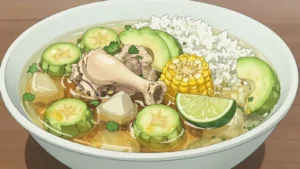
Soppa tal-armla is a soup & stew from Malta: widow’s soup of poor-man’s vegetables topped with a fresh ġbejna and egg. Named for a widow with nothing but garden vegetables; the cheeselet and egg were the only luxury.
How long does Soppa tal-armla take to make?
Soppa tal-armla takes 25 minutes of preparation and 45 minutes of cooking. The recipe makes serves 6. It is rated easy to make.
What can I substitute in Soppa tal-armla?
Yes, within limits. Small fresh goat cheeses, or fresh ricotta shaped into rounds, substitute for ġbejniet reasonably, though neither is quite the same and the atlas records that honestly. Ġbejna is a small Maltese cheeselet traditionally of sheep’s milk, sold fresh, dried or peppered — the fresh soft one is what this soup uses; the dried and peppered kinds are for eating raw. There is no fixed vegetable list: the soup uses whatever cheap seasonal vegetables are around, which is genuinely part of the dish. Cauliflower, potato, carrot and pea are usual, with broad beans and marrow appearing seasonally — vary it with what you actually have.
What is the most important thing to get right in Soppa tal-armla?
Cook the egg fully through if that is a concern. Wash and cut all the vegetables into chunks. Cut them into pieces about three centimetres. Keep them roughly even in size. That way they cook at about the same rate. Break the cauliflower into medium florets. Keep them large rather than very small. Heat the olive oil in a large heavy pot. Add the onion and celery to the hot oil.