
Ingredients
The soup
- 500 glamb on the bone
- cubed, or lamb neck
- 150 gcracked wheat
- or rolled oats
- 2onions, finely chopped
- 4tomatoes, chopped
- 1 tablespoontomato purée
- 3 tablespoonsoil or ghee
- 2 litreswater
The spices
- 1 tablespoonhawaij
- Yemeni soup spice
- or 2 teaspoons cumin
- plus 1 teaspoon turmeric
- half a teaspoon black pepper
- 1 teaspoonground fenugreek
- salt
To finish
- chopped coriander
- a squeeze of lemon
- sahawiq, to taste
- the Yemeni chilli relish
To serve
- at iftar in Ramadan
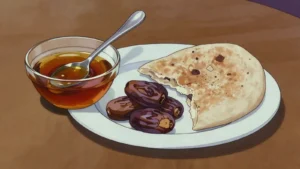
- straight after the dates
- with khubz or malooga
- in deep bowls
Directions
- Start with less if you are unsure about it. Lamb must be cooked right through without exception. Keep raw and cooked meat well apart while working. Thick grain soup bubbles heavily and spits as it cooks. Keep the heat moderate and use a deep heavy pot. Stir it with a long handled spoon and stand back.
- Heat the oil in a large heavy pot until hot. Brown the lamb pieces well on all their sides. Work in batches rather than crowding the pot. Let each side develop real colour before turning it. Do not move the pieces around constantly.
- Take the time to do it properly in batches. Add the chopped onion to the browned lamb. Cook it for about ten minutes until soft and golden. Stir it so that residue comes away entirely. That residue is pure flavour and should not be wasted. Add the hawaij and the ground fenugreek to the pot. Fry them briefly in the hot fat before liquid goes in.
- Heat releases the aromatic oils in ground spices. Give them about thirty seconds while stirring hard. Keep it moving constantly in the hot fat. Add the liquid promptly after those thirty seconds. That short frying is enough to release its aroma. Add the chopped tomato and the tomato purée. Cook them down for about five minutes in the pot. The tomato should collapse and darken slightly.
- Pour in the water and stir everything together. You will probably need to add more water later. Keep a kettle of hot water ready for that. Simmer the lamb gently for about forty-five minutes. Lamb on the bone needs that long to become tender.
- Keep it at a bare simmer rather than a hard boil. Skim any foam that gathers in the first half hour. Lift it off gently with a spoon and discard it. Add the cracked wheat to the simmering pot. It needs about thirty minutes of its own cooking. Stir it well through the liquid as it goes in. Rolled oats need only about fifteen minutes instead.
- Add them considerably later than cracked wheat. Stir the pot regularly once the grain goes in. Add hot water whenever it becomes too thick to stir. Add it a ladleful at a time rather than all at once. It should be thick but still pourable from a ladle.
- Make it slightly looser than you want to serve it. Simmer until the grain is fully soft and swollen. Keep simmering until no hardness remains at all. Test a few grains before deciding it is ready. Season the soup generously with salt near the end. Taste it carefully and add salt until it lifts. Add the salt near the end rather than at the start.
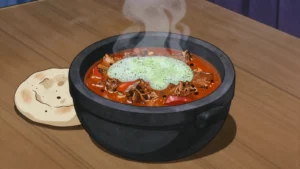
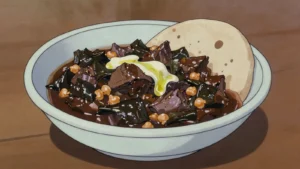
- Taste the soup for bitterness near the end. Too much fenugreek shows up clearly at this point. Squeeze a little lemon juice in off the heat. Add it gradually and taste as you go along. Never boil the soup again after the lemon goes in. Ladle the hot soup into deep bowls to serve.
- Stir the pot before ladling so it distributes evenly. The meat otherwise settles toward the bottom. Make sure each bowl gets a fair share of the lamb. Scatter chopped coriander over each bowl. Add it at the last moment before serving.
- Put a bowl of sahawiq on the table alongside. It is fiercely hot and varies between households. Serve khubz or malooga alongside the bowls. Malooga is the soft layered Yemeni flatbread.
Technique
- There are two entirely separate hawaij blends in Yemen: the soup blend is savoury with cumin, turmeric, pepper and coriander, while the coffee blend is sweet with ginger and cinnamon. Using the wrong one gives a genuinely strange soup.
- Fenugreek burns and turns very bitter quickly, so keep it moving in the hot fat and add the liquid promptly after about thirty seconds. Too much makes the whole soup bitter and there is little you can do to fix it, so start with one teaspoon or less.
- Cracked wheat contains gluten and oats are frequently contaminated with wheat in milling, so this is not suitable for coeliac diets. Say clearly which grain you used.
Substitutions
- Rolled oats replace cracked wheat and are equally common in modern Yemeni kitchens, the oat version sometimes called shurbat shofan; oats need only about fifteen minutes rather than thirty, so add them considerably later.
- Two teaspoons of cumin plus a teaspoon of turmeric and half a teaspoon of black pepper stands in for hawaij reasonably well. Lamb neck is ideal and inexpensive, and lamb on the bone gives far more flavour than boneless.
Variations
- Add the grain only after the lamb has already softened — added at the start it collapses entirely. Stir regularly once it goes in, scraping the base, since grain settles and catches and a burnt patch ruins the pot.
- The soup should be thick but still pourable and thickens further off the heat, so make it slightly looser than you want to serve it; add hot water a ladleful at a time as it absorbs. Undercooked grain has a hard chalky core, so keep simmering until no hardness remains.
- Sahawiq, the fresh Yemeni green chilli relish, goes on the table for each eater to spoon into their own bowl rather than being stirred in by the cook — it is fiercely hot and varies between households, so everyone judges for themselves.
History
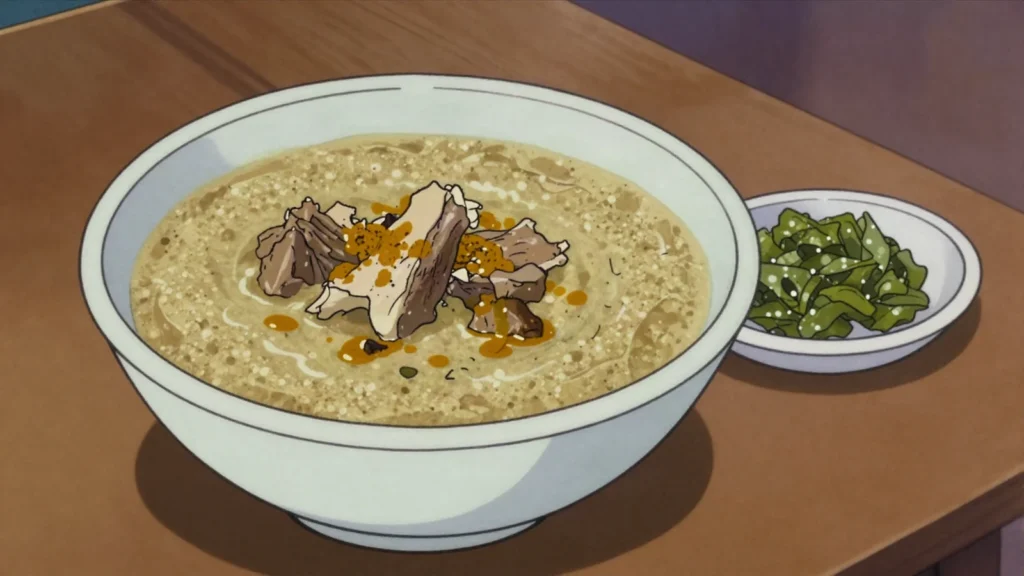
The first hot dish after dates at iftar, thickened with fenugreek or cumin.
Frequently asked questions
What is Shurba?
Shurba is a soup & stew from Yemen: cracked wheat or oat soup with lamb, drunk at sunset in Ramadan. The first hot dish after dates at iftar, thickened with fenugreek or cumin.
How long does Shurba take to make?
Shurba takes 20 minutes of preparation and 1 hour 15 minutes of cooking. The recipe makes serves 6. It is rated medium to make.
What can I substitute in Shurba?
Yes, within limits. Rolled oats replace cracked wheat and are equally common in modern Yemeni kitchens, the oat version sometimes called shurbat shofan; oats need only about fifteen minutes rather than thirty, so add them considerably later. Two teaspoons of cumin plus a teaspoon of turmeric and half a teaspoon of black pepper stands in for hawaij reasonably well. Lamb neck is ideal and inexpensive, and lamb on the bone gives far more flavour than boneless.
What is the most important thing to get right in Shurba?
Start with less if you are unsure about it. Lamb must be cooked right through without exception. Keep raw and cooked meat well apart while working. Thick grain soup bubbles heavily and spits as it cooks. Keep the heat moderate and use a deep heavy pot. Stir it with a long handled spoon and stand back.