The grain of cold, wet places — Scotland, Ireland, Scandinavia, the northern plains — rolled, cut or ground and cooked into porridge, oatcakes, flapjacks and haggis, or baked into granola and the biscuits and breads that carry its sweet, slightly creamy flavour.
Where it comes from
Oats were a weed in wheat and barley fields for thousands of years before anyone cultivated them, and they became a crop where wheat would not ripen: Scotland, Ireland, Wales, Scandinavia and later the North American plains. Samuel Johnson’s dictionary defined oats as a grain that in England fed horses and in Scotland people, and the Scots took the insult as a boast — porridge, oatcakes, brose, skirlie and haggis are built on oats, and the country’s cooking is unimaginable without them. Oats are also the grain of Scandinavian and Baltic porridges and of the muesli that Swiss doctors invented.
The grain is processed by degree. Groats are the whole hulled kernel; steel-cut (pinhead) oats are groats chopped; rolled oats are steamed and flattened, whole (jumbo) or small; instant oats are rolled thinner and precooked; oatmeal, in the Scottish sense, is groats ground fine, medium or coarse, and is what oatcakes and traditional porridge use. Oats have no gluten of their own but are usually milled alongside wheat, so certified gluten-free oats exist for those who need them.
Varieties
- Rolled oats (jumbo and porridge oats) — Steamed and flattened; jumbo for texture in granola and flapjacks, porridge oats for a smooth porridge and baking.
- Steel-cut / pinhead oats — Chopped groats; a chewy, nubbly porridge that takes 20–30 minutes.
- Oatmeal (fine, medium, coarse) — Ground oats in the Scottish sense; for oatcakes, traditional porridge, skirlie and haggis.
- Oat groats — Whole kernels; cooked like other whole grains for salads and slow porridge.
- Instant oats — Thin-rolled and precooked; fast, soft, and inclined to paste.
- Oat flour and oat milk — Ground oats for baking; and the plant milk made by soaking and straining them.
In the kitchen
Porridge: one part oats to two or three of water, milk or a mix, with a pinch of salt, brought to a simmer and stirred for five minutes (rolled) or twenty (steel-cut), then rested a minute. The Scots use water and salt and add milk or cream at the table; the rest of the world adds sugar, fruit, butter or honey. Overnight oats are rolled oats soaked cold in milk or yoghurt.
Oatcakes are medium oatmeal, a little fat, hot water and salt, rolled thin and baked or griddled. Flapjacks are oats bound with melted butter, sugar and golden syrup and baked. Toasted oats add crunch to a crumble or a granola; oat flour softens a biscuit; skirlie is oatmeal fried in fat with onion. Oats thicken a soup or a meatloaf, and a handful in a bread dough keeps it moist.
Choosing and keeping
Oats keep a year or more in a sealed container; their oil content is higher than most grains, so they go stale and eventually rancid in warmth — a bitter or cardboard smell means they are past it. Oatmeal and oat flour keep less well than rolled oats.
Buy Scottish oatmeal from Scottish or specialist suppliers for oatcakes and traditional porridge; ordinary rolled oats do most other jobs. Certified gluten-free oats are the only safe choice for coeliacs.
Dishes with oats
 CranachanWhipped cream with toasted oatmeal, raspberries, honey and whisky
 HjónabandssælaOat and rhubarb jam slice baked in a tin and cut into squares
 Grünkohl mit PinkelStewed kale with smoked grain sausage, eaten after the first frost.
 Guinness punchStout blended with condensed milk, nutmeg and vanilla, drunk cold
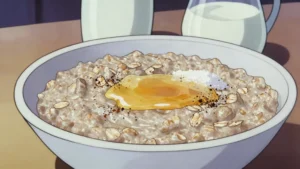 Garoobeysoothing oat porridge cooked with milk and cumin
 Jugo de avenaOats blended with milk, sugar and cinnamon and served ice cold
 HaggisSpiced sheep offal and oatmeal, with neeps and tatties.
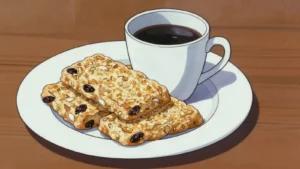 Buttermilk rusksTwice-baked dry biscuits dunked in morning coffee
Oats is tagged on 15 dishes from 12 countries in the atlas. These notes are written from general knowledge and carry no per-fact citation — see About.