
Ingredients
Base
- 600 mlvegetable oil
- 6onions, blended
- 8 clovesgarlic
- 5cm ginger
Heat
- 150 gdried chilli, blended, or dried chilli powder
- 3 tbspcayenne
The dried seafood
- 150 gdried smoked fish, herring or mackerel, boned and flaked
- 150 gdried prawns or crayfish, ground
- 50 gdried anchovies, optional
Seasoning
- 3 tbsptomato paste
- 2 tbspground dried shrimp powder
- 1 tspground cloves
- 1 tbspdried thyme
- 2stock cubes
- 1 tspsalt
Equipment
- a very large heavy pot
- jars, sterilised
To serve
- with waakye, kenkey, rice, jollof, eggs, anything
Directions
- Use clean dry jars and a clean dry spoon every time, because a wet spoon introduces water and starts the problem. Now the ingredients, which need preparing separately. Grind the dried prawns or crayfish to a powder. Blend the onions, garlic and ginger to a purée, and blend the dried chilli separately.
- Use far more oil than seems reasonable. The oil is the preserving medium as much as a cooking fat, and a dry shito will not keep. Fry the blended onion, garlic and ginger in the oil over a medium heat. Now this takes a long time and it cannot be rushed.
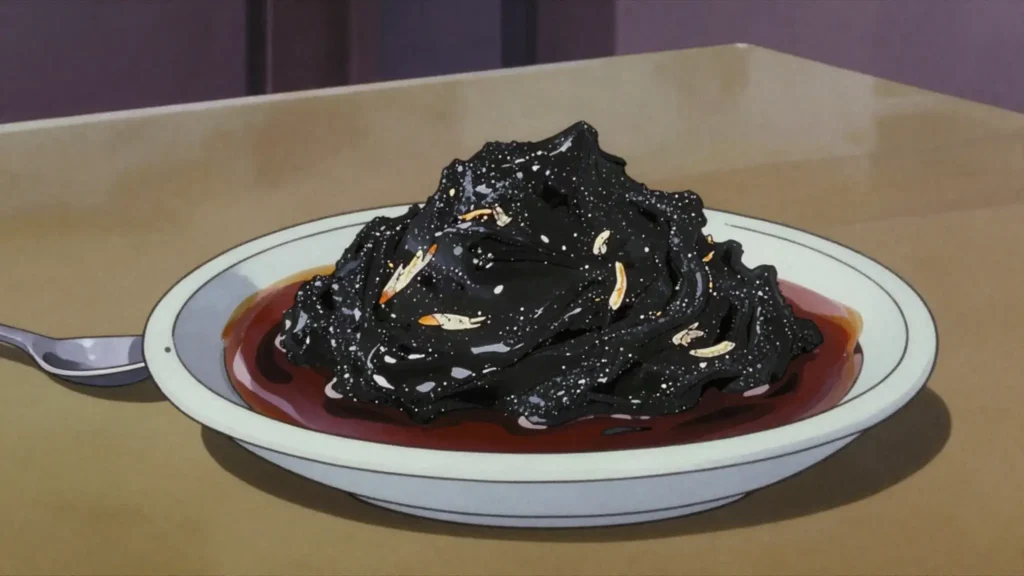
- Fry the onion mixture for 30 to 40 minutes, stirring often, until it has gone from pale, through golden, to a deep dark brown. It drives off their water and builds the colour, and shito made with pale onions is brown and thin rather than black and deep.
- Add the tomato paste and fry it for 5 minutes until it darkens. Now add the ground chilli and cayenne and fry 5 minutes more. Add the ground fish, prawns, thyme, cloves, stock cubes and salt. Now cook it on a low heat for 45 minutes to an hour, stirring regularly.
- Stir it often and scrape the base, because the solids settle and catch. It is done when the oil has clearly separated and floats in a distinct layer above the solids, and there is no bubbling or steam.
- Taste it and adjust the salt and heat. It should be intensely savoury, smoky, fishy and hot, with the heat arriving after the umami. Cool it completely before jarring. Spoon it into sterilised jars and make sure a layer of oil covers the surface in each.
- Top up with a little more warm oil if any solids are exposed. It improves over the first week as the flavours settle, and it keeps for months. Serve it with waakye, kenkey, rice, jollof, fried eggs and fried plantain, which is to say with almost everything.
Technique
- Every Ghanaian family has its own proportions and argues about them.
- It is sold in jars everywhere in Ghana and carried abroad in suitcases.
- Vegetarian shito, made without dried seafood, is increasingly common.
Substitutions
- Dried shrimp alone if smoked fish is unavailable.
- Any neutral oil, and groundnut oil is traditional.
Variations
- Vegetarian, without dried seafood.
- Milder, with less chilli, for children.
- With more ginger, which some families prefer.
History
Its name is simply the Ga word for pepper; the oil-fried dried-fish and shrimp paste keeps unrefrigerated, so students and travellers carry jars.
Frequently asked questions
What is Shito?
Shito is a sauce & condiment from Ghana: dark hot pepper sauce of dried fish, shrimp and spices. Its name is simply the Ga word for pepper; the oil-fried dried-fish and shrimp paste keeps unrefrigerated, so students and travellers carry jars.
How long does Shito take to make?
Shito takes 40 min of preparation and 1 hr 30 min of cooking. The recipe makes about 1 litre. It is rated medium to make.
What can I substitute in Shito?
Yes, within limits. Dried shrimp alone if smoked fish is unavailable. Any neutral oil, and groundnut oil is traditional.
What is the most important thing to get right in Shito?
Fry the onion mixture for 30 to 40 minutes, stirring often, until it has gone from pale, through golden, to a deep dark brown. It drives off their water and builds the colour, and shito made with pale onions is brown and thin rather than black and deep.