A long, thin, hot red chilli almost always met dried and ground to a fine powder — pure, clean heat with very little aroma, which is exactly what a cook reaching for it wants.
Where it comes from
Cayenne takes its name from the city in French Guiana, though the pepper itself is a cultivated form of the common chilli species grown wherever chillies are. It was one of the first chillies to be dried and ground for the European market, and ‘cayenne pepper’ became the general English term for hot ground chilli long before other varieties were sold by name. Most cayenne powder today comes from India, China and Africa and may be a blend of several hot red chillies.
Its character is heat without much else. Where a chipotle brings smoke, an ancho fruit and a habanero flowers, cayenne brings fire — which makes it the neutral hot spice, the one that raises the temperature of a dish without changing its flavour. That is why it turns up in French, Creole and English cooking, in a cheese straw or a lobster bisque, where a more aromatic chilli would be out of place.
Varieties
- Ground cayenne — The standard fine red powder, sold by heat grade. Hot, plain, quick to dissolve.
- Whole dried cayenne — Long, curved, thin pods. Toasted and crumbled, or steeped in oil and vinegar.
- Fresh cayenne — Green or red, thin-walled and hot; used like any hot fresh chilli, mostly in the American South and Asia.
- Ring of Fire and Long Slim — Garden varieties bred for reliable heat and drying; most home-grown ‘cayenne’ is one of these.
In the kitchen
Use it where heat is wanted and flavour is not: a pinch in a cheese sauce, a béchamel or a mayonnaise; a half-teaspoon in a Creole roux; a dusting over deviled eggs. It dissolves cleanly and does not colour a pale sauce the way paprika does.
Add it in small amounts and taste — a quarter-teaspoon can be a noticeable difference in a dish for four. It does not need blooming in oil the way whole spices do, but like all ground chilli it will scorch and turn bitter in dry hot fat.
Choosing and keeping
Bright orange-red powder is fresh; brown means old. Buy small jars and replace them yearly — cayenne keeps its heat longer than its colour, but stale cayenne tastes flat and dusty.
Heat varies between brands, since ‘cayenne’ on a label is a grade rather than a single pepper. Once you know a jar, stay with it.
Dishes with cayenne
 HaggisSpiced sheep offal and oatmeal, with neeps and tatties.
 HumarsúpaCreamy langoustine bisque, Reykjavik harbour favourite.
 ShitoDark hot pepper sauce of dried fish, shrimp and spices
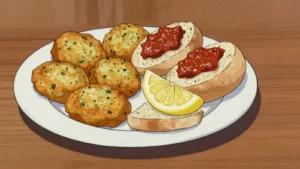 Maakoudacrisp fried potato patties stuffed into bread with harissa
 Po’ boyLong crusty loaf packed with fried shrimp, oysters or roast beef, dressed
 DonairHalifax spiced beef in pita with sweet condensed-milk sauce
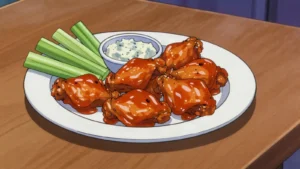 Buffalo wingsFried wings tossed in cayenne-butter sauce, with blue cheese dip
 JambalayaCreole rice cooked with sausage, chicken, and shrimp
Cayenne is tagged on 54 dishes from 34 countries in the atlas. These notes are written from general knowledge and carry no per-fact citation — see About.