
Ingredients
The sardines
- 16fresh sardines
- large ones if possible
- scaled, gutted and butterflied
- heads and backbones removed
The stuffing
- 500 gchard
- blette, leaves and stalks
- 1onion, finely chopped
- 3garlic cloves, crushed
- 80 ggrated hard cheese
- parmesan or similar
- 60 gbreadcrumbs
- 1egg
- chopped parsley
- a little grated nutmeg
- 3 tablespoonsolive oil
- salt and black pepper
To bake
- olive oil, to drizzle
- extra breadcrumbs
- a squeeze of lemon
- an oiled baking dish
To serve
- lemon wedges
- a green salad
- bread
Directions
- Chop all the stalks quite finely. Shred all the leaves separately. Give the stalks about four minutes. Drain both of them out together. Squeeze the cooked chard very dry. Wrap it in a cloth and twist it.
- Keep squeezing until little more comes. Wet stuffing makes a soggy dish. Squeeze it genuinely very hard. Chop the squeezed chard finely. Chop it up small and quite even. Heat the oil in a wide frying pan. Add all the chopped onion to it. Cook it for about ten full minutes. The onion should soften completely.
- Cook it properly before mixing. It should not brown much though. Add the crushed garlic to the pan. Give it about one full minute. Mix the chard with the cooked onion. Add the cheese, breadcrumbs and egg.
- Add the parsley and the nutmeg. Work it right through the mixture. Add more if it seems at all wet. It should hold together firmly. Squeeze a handful in your fist. It should hold its shape entirely. Add breadcrumbs if it is too wet. Add a little oil if it is too dry. Taste it and then season it well. Taste before adding much more.
- Add plenty of black pepper to it. Rinse the butterflied fillets. Rinse them gently in cold water. Check for any remaining large bones. Pull out anything that you find. Pat the fillets completely dry.
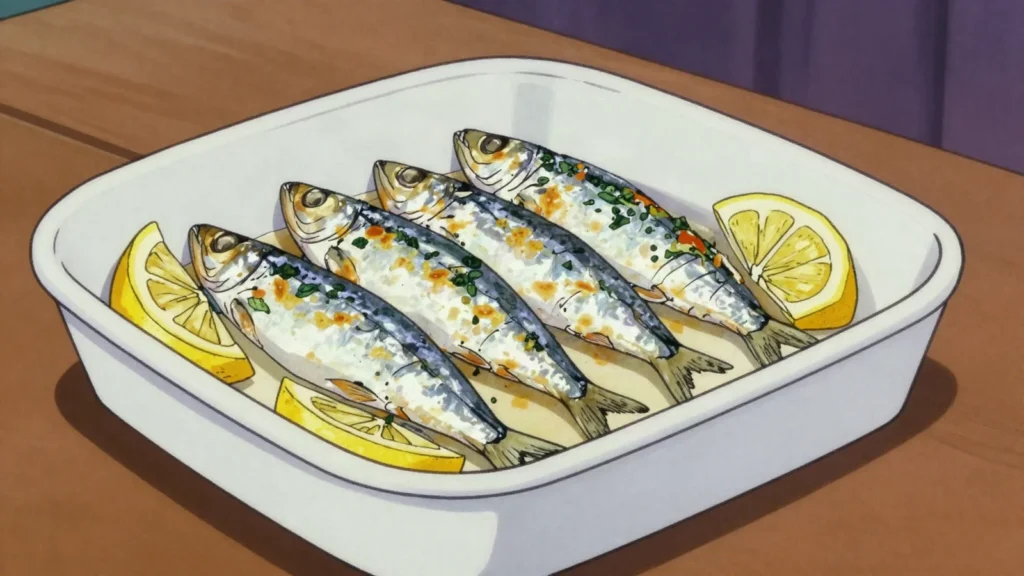
- Lay half the fillets skin side down. Lay them in an oiled baking dish. Season them lightly with salt. Spread stuffing over each fillet. Spread it about a centimetre thick. Cover the whole fillet evenly. Do not pile it up in the middle. Lay a second fillet on top skin up. Press it down gently to seal it.
- Scatter breadcrumbs over the top. The oil helps them to brown well. Bake it at two hundred degrees. Give it about twenty full minutes. Check them at fifteen minutes. Judging it takes a careful look.
- Lift the edge of one up to look. The flesh should be white and firm. Squeeze lemon over the whole dish. Add the lemon right at the end. Serve more lemon wedges alongside. Let it stand for five minutes. It is also extremely hot at first. Lift the pieces out with a spatula. They break apart if lifted carelessly. Serve them all on warm plates. It keeps two days refrigerated.
Technique
- Squeeze the cooked chard genuinely dry in a cloth — far more water comes out than expected, and this is not the place to be gentle. Wet stuffing makes a soggy dish, leaks out during baking and stops the top browning at all.
- Sardines have many small bones and although the backbone comes out easily when butterflied, smaller ones stay behind. They soften considerably in cooking and are mostly edible, but larger ones are still noticeable — say so before people eat.
- Sardines cook genuinely fast and overcooked ones go dry, grainy and fall apart entirely, so check at fifteen minutes and give it twenty at most. The flesh should be opaque and firm right through.
Substitutions
- A fishmonger will butterfly and bone the sardines readily and that is the practical route; done at home, the backbone lifts out from the belly side — run a thumb along it to loosen, then pull it away from the tail end and it comes out in one piece.
- Some cooks roll each fillet around the stuffing rather than sandwiching two together; both are genuinely made and the sandwich is more usual.
Variations
- Cook the chard stalks four minutes before adding the leaves for one, since the stalks take considerably longer and the leaves wilt almost immediately.
- The egg binds the stuffing and is essential rather than optional — without it the stuffing falls apart. Squeeze a handful to test it: it should hold its shape without being wet or crumbling, corrected with breadcrumbs or a little oil.
- The atlas carries three sardine dishes in this batch: this Monégasque one stuffed and baked, Moroccan sardines mchermel fried around chermoula, and Portuguese sardinhas assadas grilled over charcoal. Sardines are cheap and abundant on both the Mediterranean and Atlantic coasts, and every coastal cuisine has its own way with them.
History
Monégasque and Niçois home cooking that pairs the local blette with cheap inshore sardines.
Frequently asked questions
What is Sardines farcies?
Sardines farcies is a main from Monaco: boned sardines stuffed with chard, herbs and cheese, then baked. Monégasque and Niçois home cooking that pairs the local blette with cheap inshore sardines.
How long does Sardines farcies take to make?
Sardines farcies takes 50 minutes of preparation and 25 minutes of cooking. The recipe makes serves 4. It is rated hard to make.
What can I substitute in Sardines farcies?
Yes, within limits. A fishmonger will butterfly and bone the sardines readily and that is the practical route; done at home, the backbone lifts out from the belly side — run a thumb along it to loosen, then pull it away from the tail end and it comes out in one piece. Some cooks roll each fillet around the stuffing rather than sandwiching two together; both are genuinely made and the sandwich is more usual.
What is the most important thing to get right in Sardines farcies?
Lay half the fillets skin side down. Lay them in an oiled baking dish. Season them lightly with salt. Spread stuffing over each fillet. Spread it about a centimetre thick. Cover the whole fillet evenly. Do not pile it up in the middle. Lay a second fillet on top skin up. Press it down gently to seal it.